

Benefits of plug-and-play van telematics for UK fleets
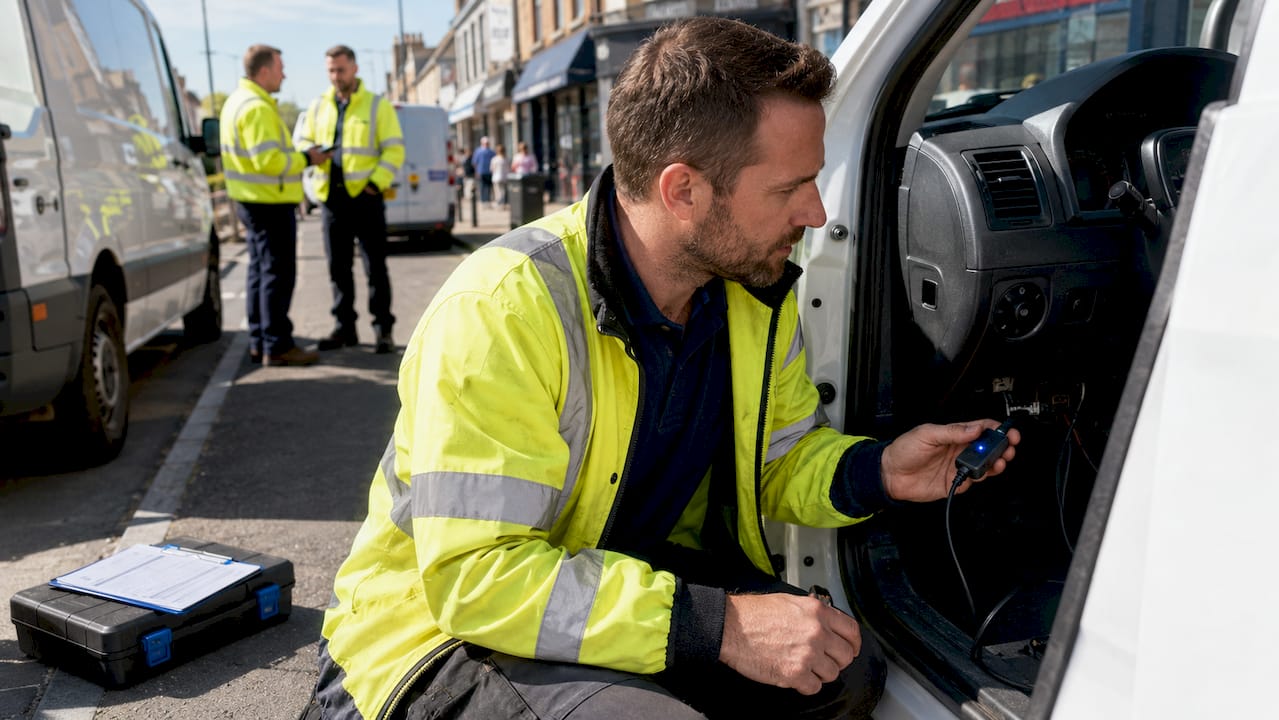
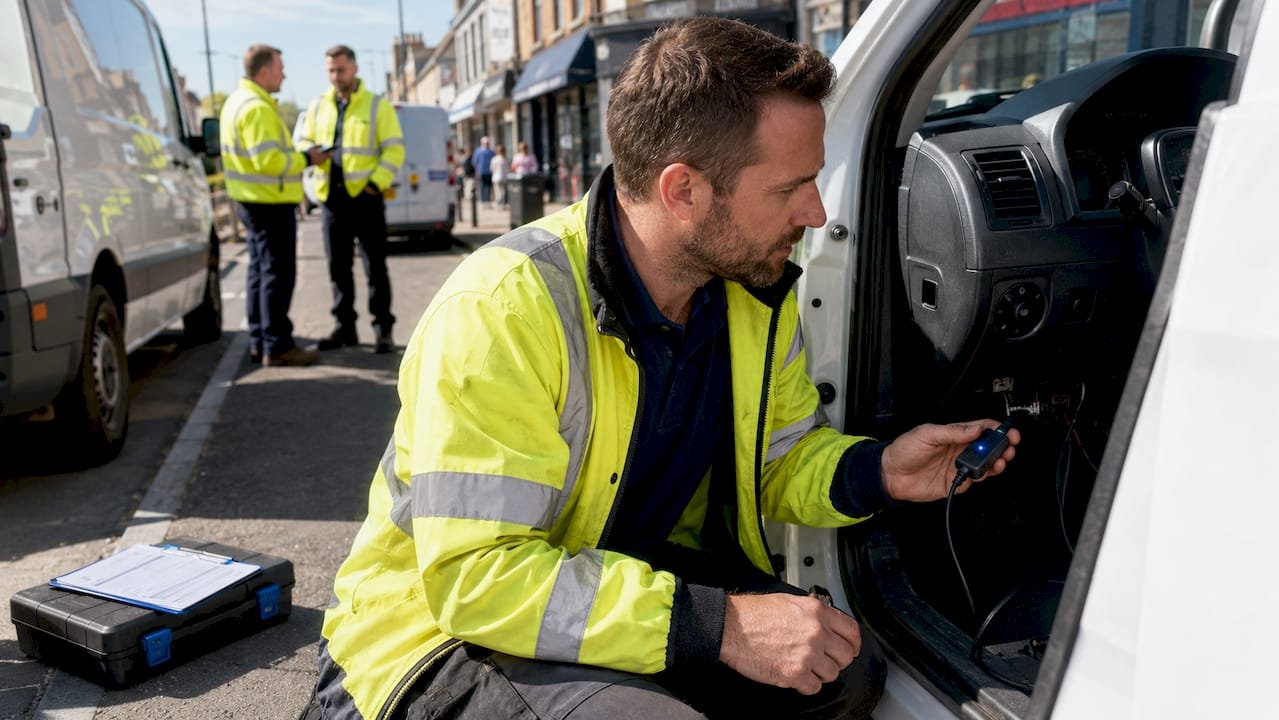
Plug-and-play van telematics is defined as a self-install tracking system that connects directly to a vehicle’s OBD-II port, delivering instant access to GPS location, fault codes, and driver behaviour data without professional fitting. The benefits of plug-and-play van telematics are most visible in how quickly a fleet operator can move from purchase to live data. Platforms like Fleetalyse and ERM Telematics have built their light commercial vehicle offerings around this principle. For UK fleet managers under pressure from DVSA compliance requirements and rising operational costs, the case for OBD-II telematics is clear and growing.
1. What are the key benefits of plug-and-play van telematics?
Plug-and-play telematics units connect to a van’s OBD-II port and install in under 10 minutes, making them the fastest route to fleet visibility available. That speed matters when you are managing a mixed fleet across multiple depots and cannot afford to take vehicles off the road for half a day.
The core advantages of van telematics delivered through plug-in units include:
- Rapid deployment. ERM Telematics confirms that OBD devices are the most efficient option for fast operational rollout, particularly for standard data like GPS position and fault codes.
- Reduced downtime. Because no wiring is required, a van returns to service within minutes of the device being fitted.
- Lower upfront cost. There is no labour charge for a professional installer, which reduces the total cost per vehicle significantly.
- Immediate data access. GPS tracking, engine diagnostics, and basic driver behaviour monitoring activate as soon as the device seats correctly in the port.
- Easy redeployment. When a vehicle leaves the fleet, the unit transfers to a replacement van in seconds. This is particularly valuable for rental and short-term lease operations.
- Compliance support. Accurate driver behaviour data supports DVSA reporting and Operator Licence obligations without requiring a separate data feed.
Pro Tip: Verify that your OBD-II port is accessible and unobstructed before ordering units in bulk. Some van models position the port behind trim panels, which adds fitment time and may require a Y-cable extension.
The financial case for plug-and-play telematics unit benefits is straightforward. Removing professional installation from the cost model means smaller fleets can afford telematics coverage that was previously reserved for large operators with dedicated workshop time.
2. How does installation quality affect data reliability?
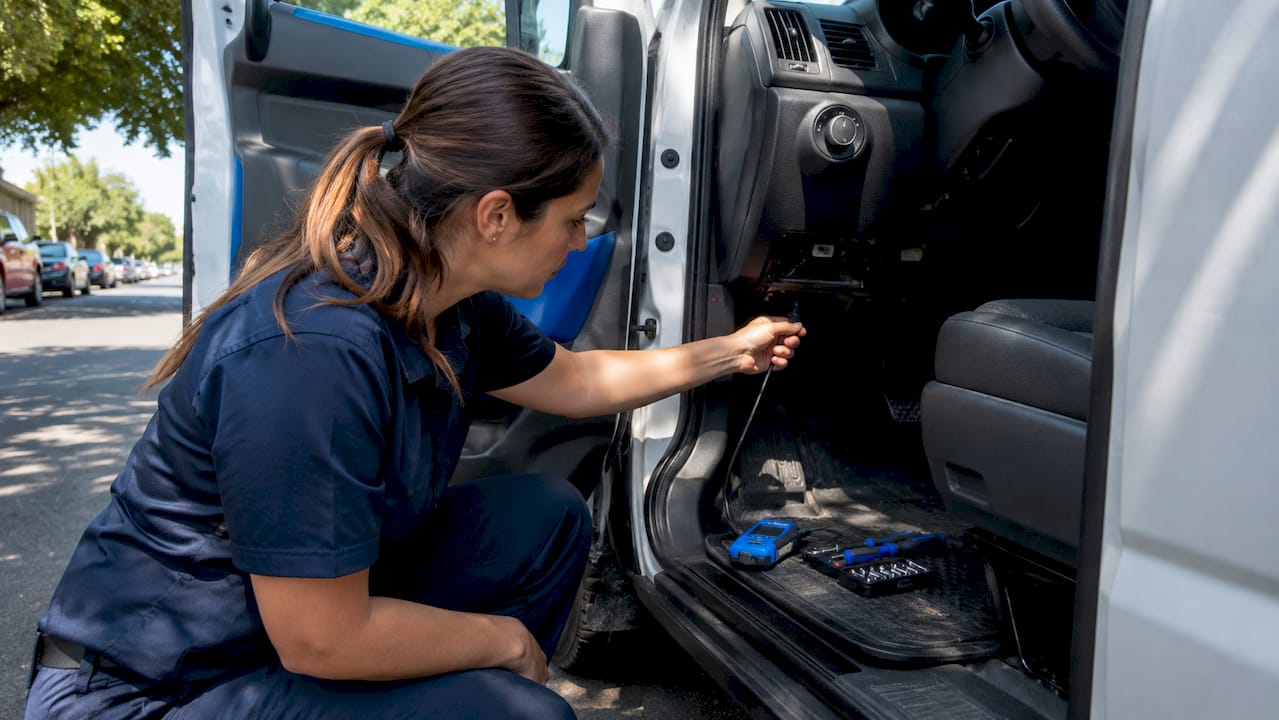
The biggest risk with plug-and-play telematics is not the technology itself. It is a partial or incorrect connection. A poorly seated OBD device can silently cause the loss of up to 40% of vital vehicle data parameters, degrading the analytics value without triggering any visible alert on the platform.
This is the part of van telematics plug-in installation that operators most frequently underestimate. The device appears to be working because it shows a GPS position, but the engine data feed is incomplete. That gap corrupts fuel consumption reports, fault code histories, and driver behaviour scores.
Common installation pitfalls include:
- Partial port seating. The device looks connected but is not fully engaged. This is the leading cause of PID data loss.
- Port obstruction. Trim panels, aftermarket accessories, or previous devices block full insertion and can cause intermittent failures and phantom fault codes that confuse diagnostics.
- Skipping signal verification. Fitting the device and driving away without confirming GPS lock and data feed means faults go undetected until a report fails.
- Forcing the device. Applying pressure to a misaligned connection damages both the port and the unit, creating a hardware fault that is expensive to diagnose.
Skipping commissioning checks accounts for a significant share of telematics support issues, most of which trace back to physical seating or power faults. The fix is a structured checklist completed at the point of fitment, not after the vehicle has left the yard.
Pro Tip: After fitting, sit in the vehicle for two minutes with the engine running and confirm that the platform shows live GPS position, engine RPM, and at least one engine parameter. If any of these are absent, reseat the device before the van moves.
3. Plug-and-play vs professionally installed telematics: which is right for your fleet?
The choice between plug-and-play and hardwired telematics is not about which is better in absolute terms. It is about which fits your operational model. The table below sets out the key differences.
| Feature | Plug-and-play (OBD-II) | Professionally installed (hardwired) |
|---|---|---|
| Installation time | Under 10 minutes | 1–4 hours per vehicle |
| Labour cost | None | Significant per vehicle |
| Data depth | GPS, fault codes, basic driver behaviour | Full CAN-bus, advanced diagnostics, sensor integration |
| Portability | Transfers between vehicles instantly | Fixed to one vehicle |
| Anti-tamper protection | Low (visible and removable) | High (concealed wiring) |
| Best for | Rental fleets, SME vans, rapid rollout | HGVs, mixed assets, compliance-critical operations |
| Total cost of ownership | Lower short-term, variable long-term | Higher upfront, more stable data quality |
Professional installation often provides better data reliability across mixed fleets, despite the higher upfront cost. That reliability translates directly into more accurate compliance reports and fewer support queries.
For a fleet of light commercial vans on short-term contracts, plug-and-play is the clear choice. For a mixed fleet including HGVs requiring tachograph integration and advanced CAN-bus diagnostics, a hardwired solution with professional commissioning is the more dependable option. Many operators run both in parallel, using plug-and-play units on vans and hardwired systems on their HGV fleet.
4. Practical tips to maximise plug-and-play telematics benefits
Getting the most from plug-and-play telematics unit installation requires discipline at the point of fitment. The technology is straightforward. The process around it determines whether you get reliable data or a support headache.
Follow these steps for every installation:
- Check port accessibility first. Locate the OBD-II port before the device arrives. If it is behind a panel or occupied by another device, order Y-cable extensions in advance.
- Use a commissioning checklist. Formal commissioning workflows that document each installation step, signal strength, and data feed confirmation reduce variance across large fleet rollouts. One operator eliminated faults across a 30-vehicle batch by enforcing this process before deployment.
- Verify GPS and data feed immediately. Confirm live position and engine data on the platform before the vehicle leaves. Do not assume the device is working because it is physically inserted.
- Record every installation. Log the vehicle registration, device serial number, port used, and confirmation date. This record is invaluable when diagnosing a data gap months later.
- Know when to call a professional. If a port is damaged, the vehicle has a non-standard OBD configuration, or the data feed is inconsistent after reseating, a professional installer will resolve the issue faster than repeated DIY attempts.
Pro Tip: For fleets using van GPS trackers across multiple locations, assign one trained person per depot to handle all installations. Consistency in the person doing the fitting reduces error rates significantly.
5. Which fleet scenarios get the most value from plug-and-play units?
Large deployments favour plug-and-play devices because they require less specialised training, install faster, and suit remote or dispersed operations where a professional installer cannot be on-site. The scenarios below define where plug-and-play telematics systems deliver the highest return.
- Short-term rental and lease fleets. Vehicles change hands frequently. A plug-and-play unit transfers between vans without any workshop time, keeping the asset tracked throughout its contract life.
- Small to medium van fleets. Operators running 5–50 vans who need GPS visibility and basic fault code alerts without the overhead of a full CAN-bus installation get strong value from OBD units.
- Dispersed multi-site operations. When vehicles are spread across the country and a central workshop is not practical, self-install units let local drivers or depot staff fit devices without specialist support.
- Rapid fleet expansion. Adding 20 vans to a fleet in a week is feasible with plug-and-play. The same expansion with hardwired units would require booking multiple installers weeks in advance.
- Telematics trials. Before committing to a full hardwired rollout, many operators use OBD units to test platform features, driver acceptance, and data quality across a sample of vehicles.
The limitation is clear: plug-and-play units are not the right tool for vehicles requiring deep CAN-bus integration, advanced sensor data, or anti-tamper protection. For those use cases, a hardwired solution is the correct choice. Telematics data also supports fleet insurance premiums, and the quality of that data depends on the installation method chosen.
6. How telematics data supports driver behaviour and compliance
Accurate driver behaviour data is only possible when the telematics device is correctly installed and transmitting a complete data feed. Ford Telematics confirms that safer driving outcomes and reduced vehicle wear depend on reliable data transmission from the device. A partial connection undermines both.
For UK fleet operators, this matters beyond operational efficiency. DVSA compliance and Operator Licence obligations require demonstrable records of driver behaviour monitoring. A telematics system that silently drops data due to a poor OBD connection creates gaps in those records. Those gaps become a liability during a DVSA audit.
Plug-and-play units, when correctly installed, provide the data needed to monitor speeding, harsh braking, idling, and engine fault events. Fleetalyse integrates this data into automated driver behaviour reports, reducing the administrative time required to meet compliance obligations. The key phrase is “when correctly installed.” The technology delivers on its promise only when the commissioning process is treated with the same rigour as a hardwired installation.
Key takeaways
Plug-and-play van telematics delivers its full value only when rapid deployment is matched with disciplined commissioning at the point of fitment.
| Point | Details |
|---|---|
| Speed of installation | OBD-II units install in under 10 minutes, making them the fastest route to fleet visibility. |
| Installation quality is critical | A partially seated device can silently lose up to 40% of vehicle data parameters. |
| Commissioning checklists prevent failures | Structured verification at fitment eliminates the majority of support issues and data gaps. |
| Best fit for light commercial fleets | Plug-and-play suits rental, SME, and dispersed van fleets; hardwired suits HGVs and compliance-critical assets. |
| Data accuracy underpins compliance | Reliable data transmission is required for DVSA reporting and Operator Licence obligations. |
Plug-and-play telematics: what I have learned from fleet deployments
By Vytautas
The appeal of plug-and-play is obvious. You order the devices, your drivers fit them, and you have live fleet data by the end of the day. I have seen this work well. I have also seen it go wrong in ways that took months to diagnose.
The pattern I keep observing is this: operators treat the installation as the easy part and the platform as the complex part. The reality is the opposite. The platform is straightforward once the data is clean. The installation is where the risk lives.
My honest recommendation is to treat plug-and-play commissioning with the same discipline you would apply to a hardwired install. Write a checklist. Train one person per site. Verify the data feed before the vehicle moves. That 10-minute installation becomes a liability if you skip the two-minute verification.
The operators who get the most from plug-and-play telematics are not the ones who move fastest. They are the ones who build a repeatable process and stick to it across every vehicle in the fleet. Speed and discipline are not opposites. The best deployments I have seen combine both.
— Vytautas
Fleetalyse telematics solutions for UK van fleets
Fleetalyse is built for UK fleet operators who need reliable telematics data without the complexity of a full enterprise rollout.
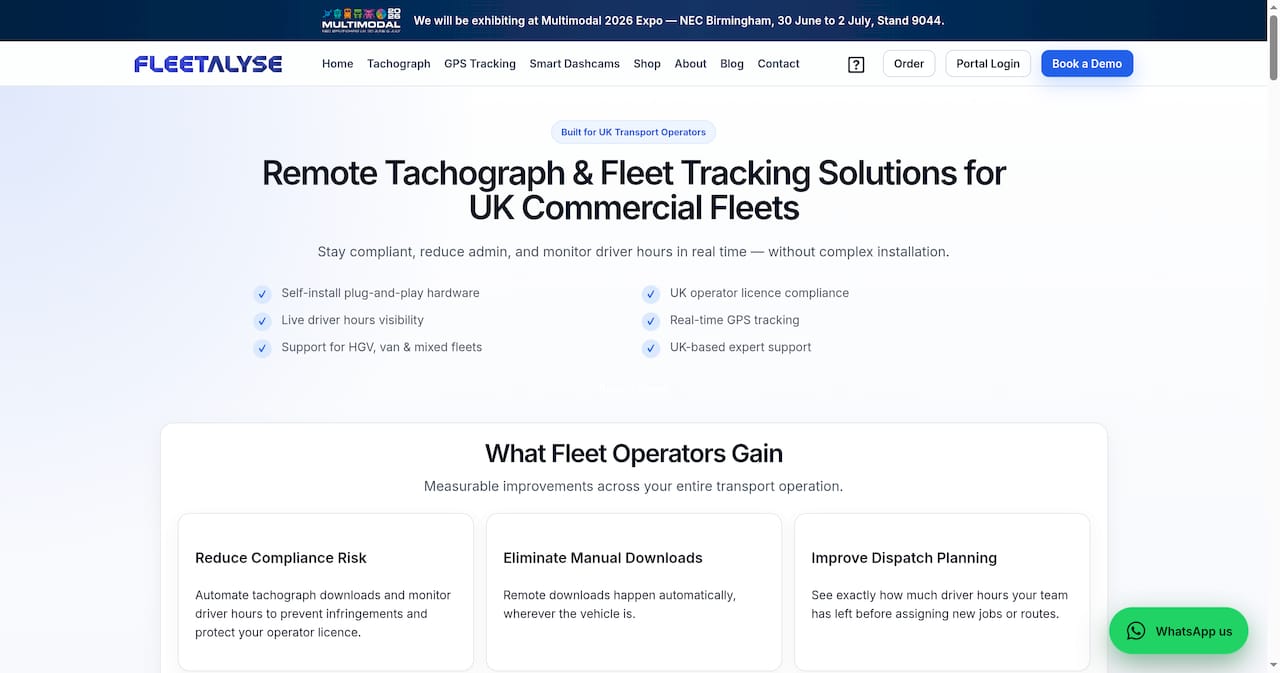
The Fleetalyse platform supports plug-and-play GPS trackers and smart dashcams designed for light commercial vehicles, with UK-based support for setup, commissioning, and troubleshooting. Every device integrates directly with Fleetalyse’s driver behaviour monitoring, compliance reporting, and fleet data analysis tools. Operators managing DVSA obligations or Operator Licence requirements get automated reports without manual data entry. The full range of GPS trackers and dashcams covers vans, HGVs, trailers, and mixed assets, with options suited to both plug-and-play and hardwired deployment. If you are ready to put accurate fleet data to work, Fleetalyse gives you the tools and the support to do it correctly from day one.
FAQ
What is plug-and-play van telematics?
Plug-and-play van telematics is a tracking system that connects to a vehicle’s OBD-II diagnostic port, providing GPS location, fault codes, and driver behaviour data without professional wiring or installation.
How long does a plug-and-play telematics unit take to install?
OBD-II telematics devices install in 5–10 minutes in most light commercial vehicles, making them the fastest telematics deployment option available for UK fleet operators.
Can a poorly fitted OBD device affect compliance reporting?
A partially seated OBD device can cause the loss of up to 40% of vehicle data parameters, creating gaps in driver behaviour records that undermine DVSA compliance reports and Operator Licence documentation.
When should I choose a hardwired telematics unit over plug-and-play?
Choose a hardwired unit when your fleet includes HGVs requiring CAN-bus integration, advanced diagnostics, tachograph support, or anti-tamper protection. Plug-and-play suits light commercial vans and short-term lease vehicles.
Does telematics data affect fleet insurance premiums?
Telematics data on driver behaviour and vehicle usage can support lower fleet insurance costs by demonstrating safer driving patterns to insurers, but only when the data feed is accurate and complete.