

Fleet data insights: business benefits for UK operators

Fleet data insights deliver measurable business advantages across cost control, safety, compliance, and operational efficiency. For UK fleet and transport operators, the shift from gut-feel management to data-driven decision-making is no longer a luxury. It is the difference between a fleet that bleeds money quietly and one that runs with genuine visibility.
The core benefits at a glance:
- Cost reduction through predictive maintenance, fuel tracking, and fraud prevention
- Route efficiency via real-time GPS and telematics-driven planning
- Driver safety improvements using AI-powered dashcam and behaviour analytics
- Predictive maintenance that replaces reactive repairs with scheduled, data-triggered interventions
- Regulatory compliance aligned with DVSA requirements and Operator Licence obligations
- Asset lifecycle clarity from unified dashboards tracking depreciation and total cost of ownership
Platforms like Fleetalyse and industry bodies such as Michelin Connected Fleet have demonstrated that connected fleet data transforms fragmented vehicle information into a single, usable picture of your operation.
How fleet data insights drive cost reduction
Fuel accounts for up to 40% of total annual fleet operating costs, making it the single largest variable expense most operators face. Connected data insights give you continuous visibility into consumption patterns, idle time, and route inefficiencies, so you can act on waste rather than estimate it.

Beyond fuel, data synchronisation turns reactive maintenance into a predictive process, catching wear and tear before it becomes a costly breakdown. Automated work orders trigger when a vehicle exceeds engine hours thresholds or shows abnormal idle patterns, closing the gap between fault detection and repair. Administrative savings follow naturally: when operational, vehicle health, and behavioural data flow automatically into a unified system, manual file uploads and repetitive reporting tasks disappear.
Insurance is another area where data pays. AI-driven dashcams log unsafe behaviours such as speeding, tailgating, and hard braking to a centralised dashboard in real time. Presenting that objective safety record to insurers gives you a documented case for lower premiums.
Pro Tip: Start your cost-reduction review with fuel and maintenance data before touching anything else. These two categories typically offer the fastest, most quantifiable returns from fleet analytics.
Fleet leaders are reportedly losing 19%–22% of total operating expenditure to theft and fraud. Linking payment data with GPS-derived location information lets AI flag and block fraudulent fuel transactions automatically.
How does route planning improve with fleet data?
Real-time GPS tracking turns route planning from a static exercise into a live, responsive process. When your telematics system feeds traffic conditions, vehicle location, and delivery schedules into a single view, dispatchers can reroute vehicles mid-journey rather than absorbing the cost of delays.
The practical gains from data-driven routing include:
- Reduced idle time by identifying habitual congestion points and adjusting departure windows
- Lower fuel consumption through shorter, more direct routes validated by historical trip data
- Improved on-time delivery rates as dynamic routing responds to real-world conditions rather than assumptions
- Better driver scheduling by matching vehicle capacity and driver hours to actual demand patterns
- Tachograph integration ensuring that route plans respect legal driving hours limits under EU and UK regulations
Telematics units like the Teltonika FMC650 feed precise location and CAN-bus data directly into fleet platforms, giving operators the granular inputs that make dynamic routing genuinely reliable rather than approximate. For logistics operators, freight tracking systems that integrate with fleet telematics add another layer of visibility across the supply chain.
How driver behaviour data reduces accidents and costs
Telematics and AI-powered dashcams capture the full picture of how your drivers actually behave on the road, not how they report it. Unsafe patterns such as harsh braking, excessive speed, and lane drifting are automatically logged and scored, giving managers objective data rather than anecdotal impressions.
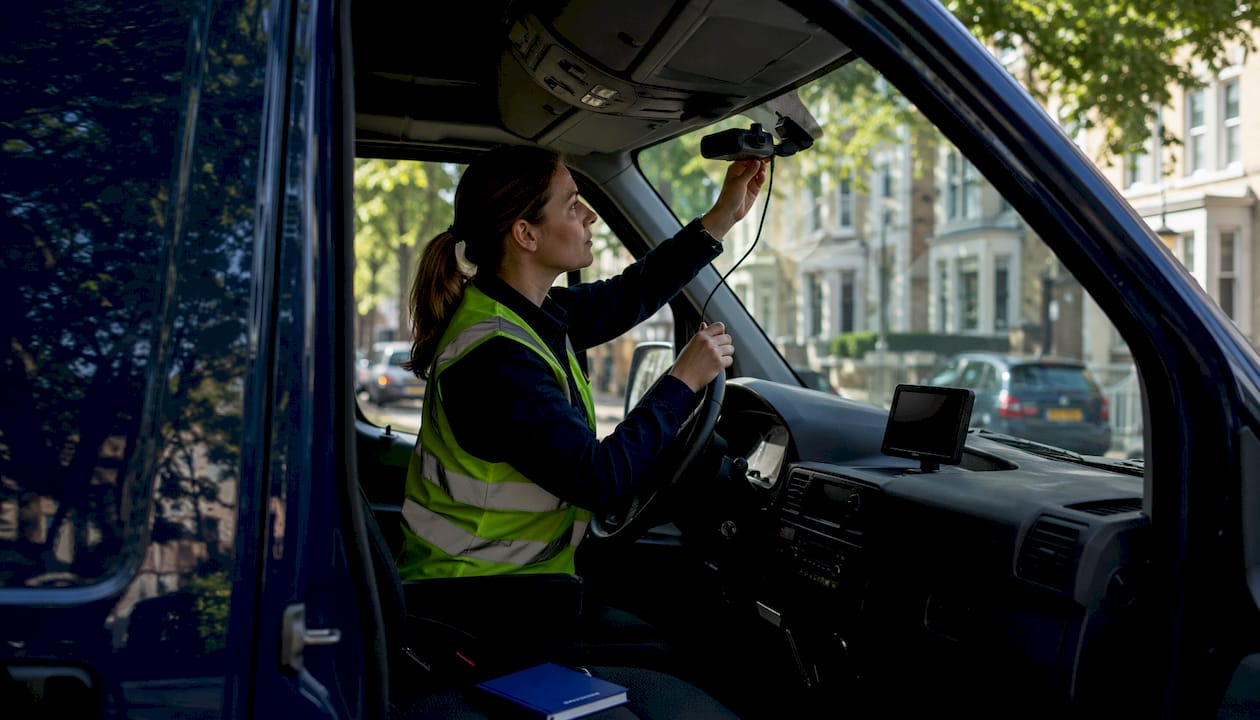
The real value comes from what you do with that data. Personalised coaching programmes built on individual driver scores consistently reduce incident rates, and the effect compounds over time as drivers internalise safer habits. Insurers respond to documented safety performance: fleets that can present a clear, data-backed record of driver improvement are in a far stronger position when negotiating premiums.
Pro Tip: Run monthly driver score reviews rather than annual ones. Frequent, low-stakes feedback loops produce faster behaviour change than a single year-end conversation.
Fleetalyse’s smart AI dashcams provide real-time alerts alongside post-trip analysis, giving both drivers and managers the information they need to act quickly. The combination of in-cab feedback and manager-level reporting closes the loop between data collection and genuine behavioural change.
Predictive maintenance: cutting downtime before it happens
The shift from schedule-based to predictive maintenance is one of the clearest business cases for fleet data analytics. Rather than servicing vehicles on a fixed calendar, real-time vehicle health data triggers maintenance workflows the moment a fault pattern emerges, whether that is abnormal engine hours, unusual idle behaviour, or a sensor reading outside normal parameters.
The operational benefits are direct:
- Fewer unplanned breakdowns keeping vehicles on the road and revenue flowing
- Extended asset lifespan by addressing wear before it causes structural damage
- Automatic work order generation removing the manual step between fault detection and workshop booking
- Greater total cost of ownership transparency through integrated dashboards that combine maintenance history with operating costs
- Better workshop scheduling as predictive alerts give mechanics advance notice rather than emergency callouts
Automated decision-making is where fleet analytics deliver competitive advantage. Collecting data is only the first step; the fleets that pull ahead are those whose systems act on that data without waiting for a manager to notice a problem.
Fleetalyse: a UK fleet data platform built for compliance and efficiency
Fleetalyse is designed specifically for UK commercial transport operators, covering HGVs, vans, trailers, and mixed-asset fleets. Its plug-and-play telematics units require no professional installation, which means operators can deploy hardware across a fleet quickly without specialist contractors.
The platform’s compliance focus is particularly relevant for UK operators. Automated driver hours monitoring supports DVSA regulations and Operator Licence requirements, while remote tachograph downloads remove the administrative burden of manual data collection. Fuel consumption insights, maintenance scheduling, and real-time GPS tracking are all consolidated into a single dashboard, giving fleet managers a complete operational picture without switching between systems.
| Feature | Business benefit |
|---|---|
| Remote tachograph downloads | Reduces manual compliance workload and DVSA audit risk |
| Automated driver hours monitoring | Flags hours violations before they become legal issues |
| Real-time GPS tracking | Live vehicle visibility for dispatch and route management |
| AI dashcam integration | Objective driver behaviour data for coaching and insurance |
| Fuel consumption insights | Identifies waste and supports cost reduction programmes |
| Predictive maintenance alerts | Triggers work orders before breakdowns occur |
| Plug-and-play hardware | Fast deployment across mixed fleets without specialist installation |
| UK-based support | Local expertise for setup, troubleshooting, and compliance queries |
All support is UK-based, which matters when a compliance question needs a fast, accurate answer rather than a generic response from an overseas call centre.
Staying compliant with DVSA and Operator Licence requirements
Regulatory compliance is not optional for UK fleet operators. The DVSA enforces driver hours rules, tachograph accuracy, and vehicle roadworthiness standards, and an Operator Licence can be revoked for persistent failures. Fleet data makes compliance manageable rather than burdensome.
Automated tachograph data collection removes the risk of gaps in driver records. Real-time hours monitoring alerts managers when a driver is approaching their legal limit, preventing violations before they occur rather than discovering them during an audit. Digital records are also far easier to produce during a DVSA roadside check or Traffic Commissioner hearing than paper-based alternatives.
Environmental reporting requirements are growing too. Fleet data that captures fuel consumption, mileage, and vehicle type gives operators the raw material to meet sustainability reporting obligations as they evolve under UK transport policy.
Managing fuel efficiency across your fleet
Connected fuel spend insights give operators continuous visibility into one of their largest variable costs. The data does more than report consumption figures; it reveals the specific behaviours and routes driving inefficiency.
Idle time is a common culprit. A vehicle sitting with its engine running burns fuel without generating any productive output, and telematics data makes that waste visible at the individual vehicle level. Route analysis identifies journeys where drivers are consistently covering more miles than the optimum, whether through habit, poor planning, or avoidance of certain roads.
Fraud prevention adds another dimension. By linking fuel card transactions with GPS location data, fleet platforms can automatically flag purchases that do not match where the vehicle actually was, or transactions that exceed the vehicle’s tank capacity. Both are reliable indicators of misuse.
Getting more from your assets over their full lifecycle
Fleet data gives operators a clear view of each asset’s value at every stage, from acquisition through to decommissioning. A unified dashboard combining vehicle depreciation data with real-time operating costs makes it straightforward to identify when a vehicle has become a financial liability rather than a productive asset.
That visibility supports better decisions around maintenance timing, vehicle reassignment, and replacement. Operators who rely on gut feel or fixed replacement cycles often hold onto vehicles too long or replace them too early. Data-driven lifecycle management removes that guesswork, and it also prevents over-purchasing: knowing exactly how much capacity you are using means you are not paying insurance, maintenance, and lease costs on vehicles that sit idle.
Connecting fleet data with your wider business systems
Many businesses collect fleet data but fail to use it effectively because it sits in isolation from the rest of their operations. The competitive advantage comes when fleet data feeds into finance, HR, customer service, and supply chain systems automatically.
When maintenance costs flow directly into your accounting platform, total cost of ownership calculations become accurate rather than estimated. When driver hours data integrates with payroll, wage calculations reflect actual working time without manual reconciliation. When delivery tracking connects to customer-facing systems, your service team can give accurate ETAs without calling the driver.
The principle is straightforward: fleet data that stays inside a telematics silo helps you manage vehicles. Fleet data that connects across your business helps you run a better company. Fleetalyse’s telematics and compliance platform supports integration with wider business workflows, giving operators a foundation to build on as their data needs grow.
Start putting your fleet data to work with Fleetalyse
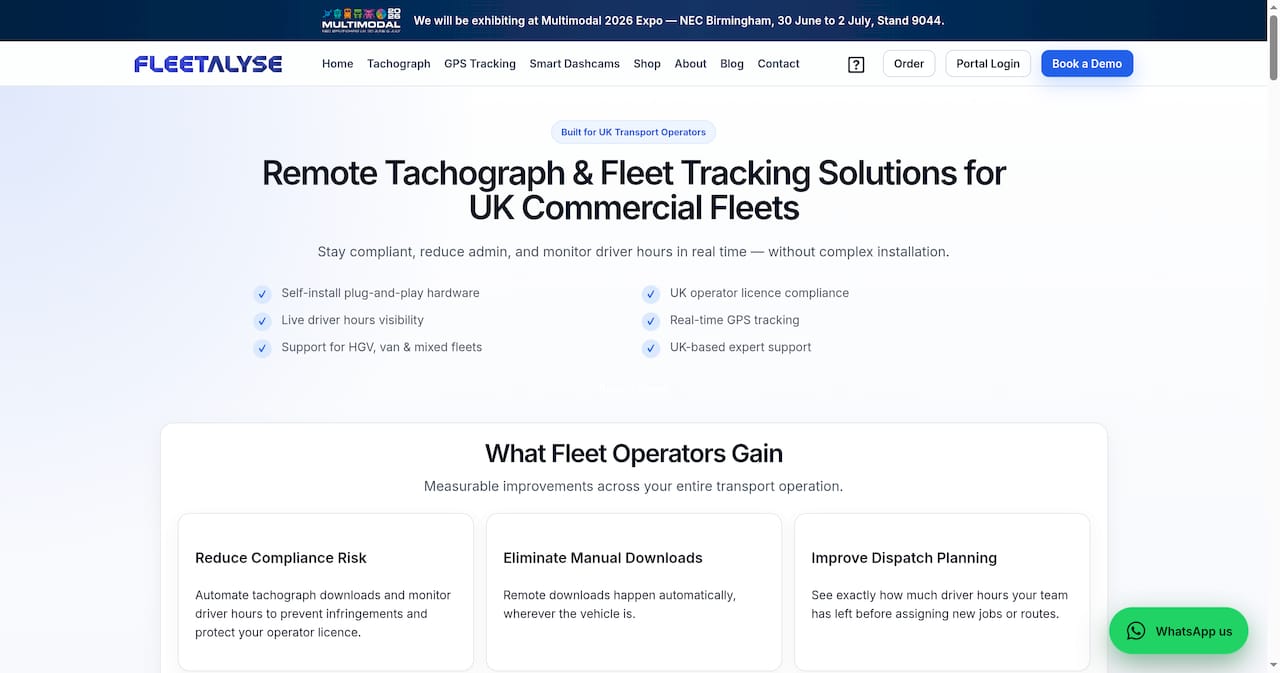
If your fleet data is sitting in disconnected systems or being collected but never acted on, Fleetalyse gives you the tools to change that. From plug-and-play GPS trackers to AI dashcams and automated compliance reporting, the platform is built for UK operators who need practical results, not just more data.
Explore the full Fleetalyse platform or browse GPS trackers and dashcams to find the right hardware for your fleet.
Key takeaways
Fleet data insights deliver the greatest business value when they are connected, automated, and acted on in real time rather than reviewed retrospectively.
| Point | Details |
|---|---|
| Fuel is the biggest variable cost | Fuel accounts for up to 40% of annual fleet operating costs; data insights target this directly. |
| Predictive maintenance cuts downtime | Real-time vehicle health data triggers work orders before breakdowns occur, extending asset life. |
| Driver data lowers insurance costs | Documented safety performance from AI dashcams supports negotiations for lower premiums. |
| Compliance requires automation | Automated tachograph downloads and hours monitoring reduce DVSA audit risk for UK operators. |
| Integration multiplies value | Fleet data connected to finance, HR, and logistics systems improves decisions across the whole business. |