


Fleet fuel consumption monitoring benefits for UK fleets

Fleet fuel consumption monitoring is the practice of using telematics sensors and software to track exactly how much fuel each vehicle uses, when, and where. For UK fleet operators, fuel typically accounts for around 25% of total fleet operating costs. The fleet fuel consumption monitoring benefits are immediate and measurable: reduced fuel spend, detection of theft, improved driver behaviour, and early warning of mechanical faults. Platforms like Fleetalyse combine GPS tracking with automated fuel data capture to give operators full visibility across every vehicle, every shift.
1. Real-time data cuts operational fuel costs directly
Real-time fuel consumption analysis is the single most impactful tool for reducing fleet running costs. Telematics units read live fuel flow data from a vehicle’s CAN-bus and transmit it to a central dashboard, giving you a precise picture of consumption per mile, per route, and per driver. Studies of over 800 commercial fleets show a cost reduction potential of up to 40% when real-time monitoring is combined with behavioural improvements. That figure represents a significant portion of a fleet’s annual budget returned directly to the business.
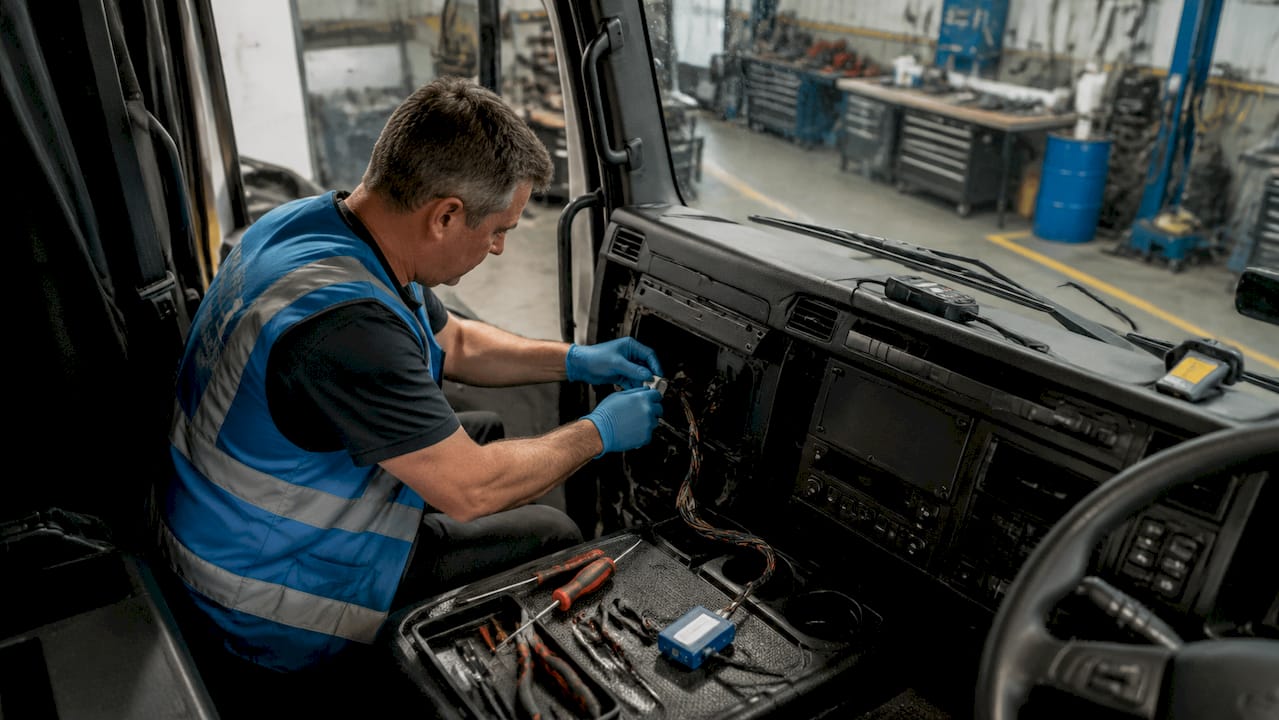
The key mechanism is visibility. Without live data, overconsumption hides inside monthly fuel card statements. With it, you can see within hours if a vehicle is burning more than expected and act before the waste compounds.
Key areas where real-time monitoring reduces costs:
- Overconsumption alerts: Automatic notifications when a vehicle exceeds its expected fuel rate per mile.
- Unauthorised refuelling: Flags when fuel is added outside approved locations or times.
- Idle time tracking: Measures engine-on time with zero movement, which is pure fuel waste.
- Refuelling optimisation: Identifies the cheapest approved fuel stops along planned routes.
Pro Tip: Set consumption thresholds for each vehicle class in your fleet management platform. An HGV burning 10% above its class average on a standard route is a red flag worth investigating the same day.
2. Fuel theft detection and prevention
Fuel theft affects approximately 73% of commercial fleets annually. That statistic covers everything from siphoning at depots to fuel card misuse and false mileage reporting. The financial damage is rarely visible in a single transaction. It accumulates quietly across hundreds of small discrepancies.
Automated monitoring closes this gap by comparing actual fuel consumed against expected consumption for every journey. When the numbers diverge beyond a set tolerance, the system raises an alert. This removes the reliance on manual log checks, which are slow and easy to manipulate.
Common theft methods and how monitoring counters them:
- Siphoning at depot: Fuel level sensors detect unexpected drops when the vehicle is stationary and the engine is off.
- Fuel card fraud: Cross-referencing card transactions with GPS location data confirms whether the vehicle was actually at the stated filling station.
- False mileage reporting: Telematics records actual distance travelled, making inflated mileage claims immediately visible.
- Diversion to personal vehicles: Refuelling events at non-approved locations trigger instant alerts to fleet managers.
Integrating fuel cards with telematics creates a closed loop where every litre of fuel is accounted for from purchase to consumption. This combination is the most effective deterrent available to UK fleet operators today.
Pro Tip: Run a monthly reconciliation report comparing fuel card spend against telematics consumption data. A consistent gap of more than 5% across a vehicle warrants a formal investigation.
3. Driver behaviour improvements and fuel efficiency gains
Driver behaviour is the variable with the greatest direct impact on fuel consumption. Harsh acceleration, excessive speeding, and prolonged idling can increase fuel use by a significant margin compared to smooth, consistent driving. Monitoring these behaviours gives you the data to act on them.
Top-performing fleets using behavioural monitoring have achieved a 79% reduction in hard acceleration events. Hard acceleration is one of the most fuel-intensive driving patterns, and cutting it dramatically reduces consumption across the fleet. The same monitoring systems that track fuel also generate driver scorecards, making it straightforward to identify who needs coaching and who deserves recognition.
Behaviours that fuel monitoring tracks and improves:
- Harsh acceleration and braking: Measured per journey and flagged when they exceed set thresholds.
- Excessive idling: Reported as time and estimated fuel cost, making the waste tangible for drivers.
- Speeding: Higher speeds increase aerodynamic drag and fuel consumption disproportionately.
- Gear change efficiency: On vehicles with CAN-bus integration, sub-optimal gear use is captured and reported.
Driver scorecards work best when they are shared with drivers directly. Transparency builds accountability. When drivers see their own data, behaviour changes faster than it does through management instruction alone. Pairing scorecard data with practical fuel efficiency guidance gives drivers the context to understand why certain habits matter.
4. Predictive vehicle maintenance through fuel anomaly detection
Rising fuel consumption is often the earliest warning sign of a mechanical problem. Fuel consumption spikes frequently indicate issues such as clogged fuel injectors, under-inflated tyres, or a failing air filter, all before any dashboard warning light appears. Catching these faults early is far cheaper than dealing with a roadside breakdown or an unplanned workshop visit.
A vehicle that normally returns 8 miles per litre and suddenly drops to 6.5 miles per litre on the same route is telling you something is wrong. Fuel monitoring platforms can be configured to alert you the moment consumption deviates from a vehicle’s established baseline. That alert triggers a maintenance check rather than a breakdown recovery call.
Pro Tip: Create a consumption baseline for each vehicle over its first 30 days of monitoring. Use that baseline as your alert threshold. Seasonal adjustments for winter fuel blends and cold starts are worth factoring in to avoid false positives.
Integrating fuel anomaly alerts with your maintenance scheduling system means faults are logged and booked in automatically. This shifts your maintenance model from reactive to planned, which reduces both repair costs and vehicle downtime. For HGV operators under DVSA compliance requirements, documented preventive maintenance also supports your Operator Licence obligations.
5. Route optimisation and idle time reduction
Fuel consumption data reveals which routes cost the most to run. A route that looks efficient on a map may be expensive in practice due to traffic congestion, gradient, or road surface. Combining GPS data with fuel consumption figures identifies these costly routes and supports better planning decisions.
Route optimisation reduces fuel spend in two ways. First, it shortens total distance where possible. Second, it avoids conditions that increase consumption, such as stop-start urban traffic or steep inclines that demand higher engine load. The fuel savings from consistent route optimisation compound over time across a full fleet.
Idle time is a separate but related issue. An engine running at idle in a depot or outside a delivery address consumes fuel with zero productive output. Monitoring platforms quantify this waste in both litres and pounds, which makes it a concrete cost rather than an abstract inefficiency. When drivers and depot managers see idle time expressed as a weekly fuel cost, reduction becomes a shared priority.
| Driver behaviour | Fuel impact | Monitoring response |
|---|---|---|
| Excessive idling | Direct fuel waste, no output | Idle time alerts and weekly reports |
| Inefficient routing | Higher consumption per mile | GPS and fuel data combined route review |
| Harsh acceleration | Increased fuel burn per journey | Driver scorecard and coaching |
| Speeding | Disproportionate aerodynamic drag | Speed threshold alerts |
Key takeaways
Fleet fuel consumption monitoring delivers measurable cost savings, theft prevention, and maintenance benefits that compound across every vehicle in your fleet.
| Point | Details |
|---|---|
| Real-time data reduces costs | Live fuel tracking can cut fleet fuel expenses by up to 40% through early intervention. |
| Theft is widespread and preventable | Fuel theft affects 73% of fleets; telematics and fuel card integration closes the gap. |
| Driver behaviour drives efficiency | Monitoring hard acceleration and idling produces direct, quantifiable fuel savings. |
| Fuel anomalies signal faults early | Consumption spikes often appear before dashboard warnings, enabling cheaper preventive repairs. |
| Route data compounds savings | Combining GPS and fuel data identifies costly routes and reduces idle time across the fleet. |
Why fuel monitoring changed how I think about fleet costs
Most fleet managers I speak with treat fuel as a fixed cost. They budget for it, absorb the variance, and move on. That mindset is the single biggest obstacle to meaningful cost reduction.
Fuel is not a fixed cost. It is a performance indicator. When you monitor it properly, it tells you which drivers need coaching, which vehicles need servicing, and which routes are quietly draining your budget. Fuel monitoring shifts fleet management from reactive to preventive, and that shift has a direct impact on cash flow forecasting. You stop being surprised by fuel invoices and start predicting them.
The sustainability angle is also underestimated. UK fleet operators face growing pressure from clients, local authorities, and the government to reduce emissions. Fuel monitoring gives you the consumption data to demonstrate progress. That data supports both internal reporting and external compliance requirements without additional administrative effort.
My honest view is that UK fleet managers who delay adopting fuel monitoring are not saving money on technology. They are paying for the absence of it, through theft, inefficiency, and avoidable breakdowns, without ever seeing the invoice clearly.
— Vytautas
Fleetalyse: fuel monitoring built for UK fleet operators
Fleetalyse gives UK fleet operators the tools to act on fuel data, not just collect it. The platform combines GPS fleet tracking with real-time fuel consumption analysis, driver behaviour scoring, and automated maintenance alerts in a single dashboard.
The Teltonika FMC650 4G HGV GPS tracker integrates directly with the Fleetalyse platform, capturing CAN-bus fuel data from HGVs and vans without complex installation. You get live consumption figures, idle time reports, and theft alerts from day one. Fleetalyse support is UK-based, so setup and troubleshooting are handled by people who understand the operational realities of British transport. Explore the full solutions range to find the right fit for your fleet.
FAQ
What is fleet fuel consumption monitoring?
Fleet fuel consumption monitoring is the use of telematics sensors and software to track how much fuel each vehicle uses per journey, route, and driver. It replaces manual log sheets with automated, real-time data.
How much can fuel monitoring reduce fleet costs?
Studies of commercial fleets show fuel monitoring can reduce fuel expenses by up to 40% through real-time tracking and driver behaviour improvements.
How does fuel monitoring detect theft?
Monitoring systems compare actual fuel consumed against expected consumption for each journey. Discrepancies, such as refuelling at unapproved locations or unexplained fuel level drops, trigger automatic alerts to fleet managers.
Can fuel data predict vehicle breakdowns?
A sudden rise in fuel consumption per mile often signals mechanical issues such as clogged injectors or under-inflated tyres before any dashboard warning appears, enabling preventive maintenance before a breakdown occurs.
Is fuel monitoring suitable for mixed fleets of HGVs and vans?
Fuel monitoring works across HGVs, vans, trailers, and mixed assets. Platforms like Fleetalyse support multiple vehicle types with the same dashboard, giving operators a unified view of consumption across the entire fleet.