

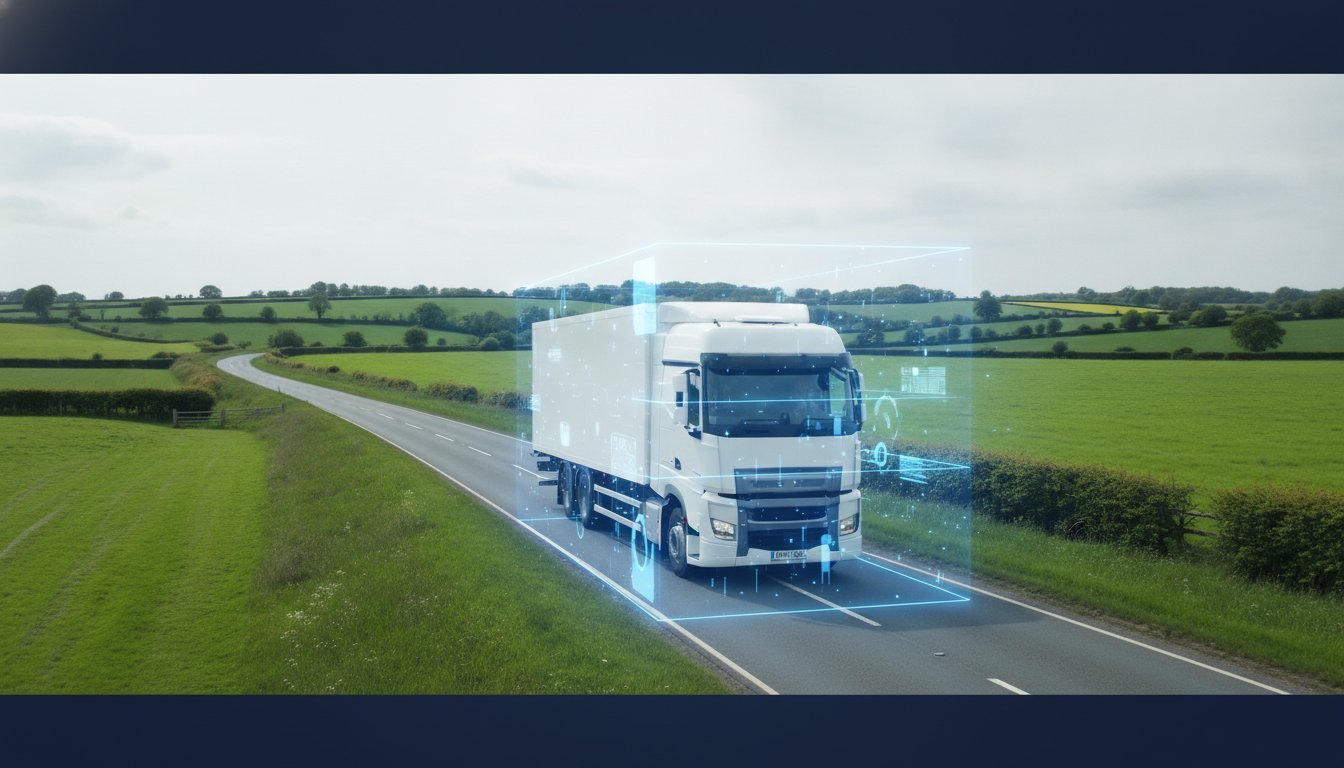
Waiting 28 days to download a driver card is like checking your mirrors after you've already hit the kerb. By the time you see the data, the damage is done. You're likely tired of chasing drivers for manual downloads or worrying about the £2,500 fines that follow unintentional rest rule errors. You can reduce infringements with tachograph software that eliminates these blind spots, ensuring you aren't left vulnerable to DVSA scrutiny. It's a common struggle for regional operators who need to maintain a high OCRS score whilst managing a busy fleet.
This article shows you how to implement a "set and forget" compliance system using remote download and live analysis. We'll explore how to protect your operator licence from avoidable risks and significantly cut the administrative time spent on manual data entry. With new regulations for international light commercial vehicles starting in July 2026, moving to a proactive system is now a necessity for staying competitive and compliant. Discover how to turn your tachograph data from a reactive record into a real-time asset.
In this article, you will learn:
- The true financial and operational risks of non-compliance, including the impact of fixed penalties on your OCRS score.
- How to eliminate manual data collection errors by automating your compliance through remote tachograph software.
- The benefits of using live driver hours to prevent limit over-runs and gain real-time visibility into your fleet.
- A practical four-step framework to reduce infringements with tachograph software by identifying and coaching high-risk drivers.
- Why a pragmatic, transparent approach to fleet software is essential for protecting your British operator licence.
The Operational Risk of Tachograph Infringements
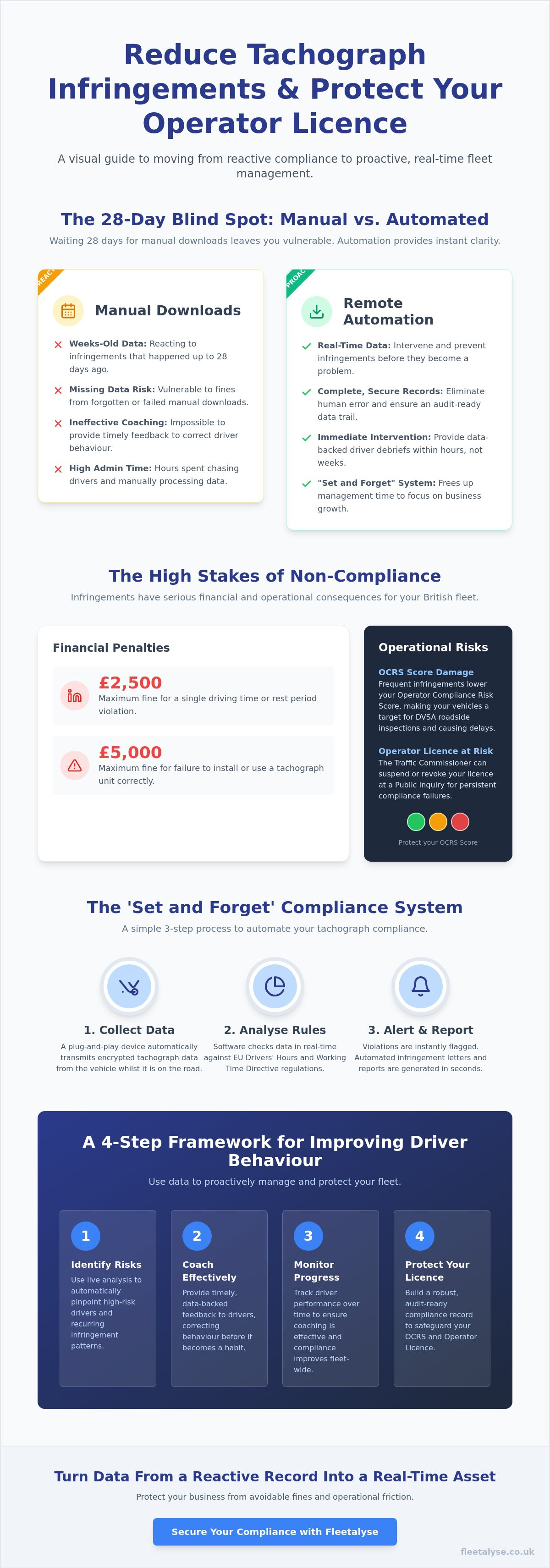
Tachograph compliance isn't just a box-ticking exercise. It's a critical financial safeguard for your business. When you understand what a tachograph is and how it records driver behaviour, you start to see the scale of the risk. A single error can lead to a level 4 fine of up to £2,500 for driving time or rest period violations. In the first quarter of the 2025-2026 financial year, the average fine for prosecuted tachograph offences was £756.26. These costs add up quickly across a fleet, especially when you consider that failure to install or use a unit correctly carries a maximum fine of £5,000.
Beyond the immediate fines, your Operator Compliance Risk Score (OCRS) is at stake. The DVSA uses this system to decide which vehicles to pull over for roadside inspections. If your records show frequent infringements, your score drops into the red. This makes your drivers a magnet for enforcement officers, leading to delivery delays and increased operational friction. You can reduce infringements with tachograph software by catching these patterns before they impact your score. A clean OCRS is a badge of reliability that keeps your vehicles moving and your drivers productive.
The ultimate risk is to your Operator Licence. The Traffic Commissioner views tachograph records as a direct reflection of your management competence. Persistent failures often lead to a Public Inquiry, where your licence can be suspended or revoked entirely. There's also a significant administrative drain to consider. Manually investigating every error and conducting driver debriefs takes hours of management time that could be spent on growth. Automating this process removes the hidden cost of manual compliance management.
Common Infringement Categories in the UK
Most infringements aren't malicious; they're often the result of pressure or simple mistakes. Drivers frequently exceed daily driving limits whilst trying to finish a route or fail to take sufficient daily and weekly rest periods due to poor planning. Incorrect use of mode switches is another common pitfall, where "other work" isn't logged correctly. These errors are easy to make but difficult to defend during an audit without clear, digital records.
The 28-Day Blind Spot
Waiting for manual card downloads every 28 days creates a dangerous information gap. You're essentially reacting to mistakes that happened weeks ago, making it impossible to provide timely driver coaching. If a driver has a "missing data" gap during a DVSA roadside inspection, you can't fix it on the spot. This lag prevents you from intervening early. By the time you see the data, the infringement is already a permanent mark on your record. Moving to a live system eliminates this blind spot entirely.
How Remote Tachograph Software Automates Compliance
Remote tachograph software is the bridge between raw vehicle data and operational clarity. It works by automatically retrieving driver card and vehicle unit (VU) information via GPRS or 4G networks. This removes the need for manual intervention entirely. You no longer have to wait for a driver to return to the depot or struggle with lost data cables and "forgotten" downloads. The data simply appears in your system, ready for review.
Automation is the most effective way to reduce infringements with tachograph software. The system works in the background, constantly pulling data and checking it against EU Drivers' Hours and the Working Time Directive. If a violation occurs, the software flags it instantly. This creates a centralised, audit-ready compliance centre that is far more secure than a drawer full of printouts or a folder of disconnected digital files. It ensures you are always prepared for a surprise inspection.
By removing human error from the download process, you eliminate the risk of missing data. Many operators face fines not because their drivers broke the rules, but because they failed to record the data in the first place. Advanced software ensures every second of driving time is accounted for. It provides a level of transparency that manual systems simply cannot match.
The Role of Remote Download Hardware
The process begins with a small, plug-and-play device installed in the vehicle's tachograph head. This hardware transmits encrypted data whilst the vehicle is on the road. Instead of the legal minimum of downloading every 28 days, you can set the frequency to daily or weekly. This ensures your records are always current. These devices are fully compatible with both older digital units and the latest Smart Tachograph 2 models, creating a seamless link between the vehicle and your office.
Tachograph Analysis Integration
Raw data is only useful if it's readable. Integration turns these files into clear, actionable reports. You can generate automated infringement letters in seconds, which saves hours of manual drafting and administrative work. This helps you identify systemic issues amongst your fleet. If three different drivers are making the same rest-period error, it's likely a route planning problem rather than individual negligence. Having this level of visibility allows you to act before the DVSA gets involved. If you are ready to automate your data collection, you can get started with our remote download solutions today.
Proactive Monitoring: Reducing Errors in Real-Time
Live driver hours change the compliance landscape from reactive to proactive. Instead of reviewing a week-old error, you see exactly how much drive time remains for every driver in real-time. This visibility is essential to reduce infringements with tachograph software. It allows you to intervene before a driver hits their legal limit, turning compliance into a live operational tool rather than a historical record.
Managers can set custom alerts to trigger when a driver reaches four hours of driving or is 15 minutes away from a daily limit. This prevents "over-runs" caused by unexpected traffic or delivery delays. It also streamlines dispatching. You can assign urgent loads to drivers with the most available hours, rather than relying on verbal updates that might be inaccurate. This data-driven approach ensures your fleet stays productive without risking your operator licence.
This transparency reduces driver stress. When drivers know the office is monitoring their hours accurately, they feel less pressure to take risks or "fudge" their manual entries. It creates a culture of compliance where rules are respected because they are visible. Drivers feel more confident knowing they have a backup system that prevents them from making costly, unintentional mistakes.
Visualising Your Fleet Compliance
Compliance dashboards provide an "at a glance" view of fleet health. Colour-coded alerts help you prioritise your attention; green indicates a safe status, whilst amber and red highlight drivers approaching their limits or requiring immediate rest. These dashboards also track "unknown driver" events. These are often overlooked but can lead to serious questions during a DVSA audit if every kilometre is not properly accounted for and explained.
The Link to GPS Tracking
Combining hours with GPS Fleet Tracking adds a layer of verification. You can see not just when a driver is resting, but where. This ensures drivers are stopping in designated areas rather than trying to hide movements. It provides the context needed to defend your records during an inspection. By linking location data with tachograph status, you create a complete, undeniable operational picture that simplifies the management of even the most complex routes.
A 4-Step Framework for Improving Driver Behaviour
Data alone doesn't change behaviour. To effectively reduce infringements with tachograph software, you must implement a consistent management workflow. Most operators find that a small percentage of drivers account for the majority of their compliance risks. This framework allows you to target those risks specifically without alienating your entire team. It turns raw data into a practical tool for operational improvement.
Step 1: Identify. Use your software’s analytics to rank drivers by risk level. This highlights your highest-risk "repeat offenders" immediately, allowing you to prioritise your time where it is needed most. Step 2: Analyse. Determine the root cause of each error. Is it a lack of understanding, a poorly planned route, or a disregard for the rules? If an infringement happens on the same delivery every week, the route is likely the problem. Step 3: Debrief. Print the automated infringement letters and sit down for a professional chat. Use the data to keep the conversation objective and focused on facts. Step 4: Monitor. Use live driver hours to check for immediate improvements. This ensures that the lessons learned during the debrief are put into practice on the road.
Effective Driver Debriefing
A successful debrief focuses on the "why" behind the error rather than just the "what". Visual day-view charts are invaluable here. They show drivers exactly where their day went wrong in a format that is easy to digest. This clarity removes the frustration of trying to remember a specific event from three weeks ago. Always include positive reinforcement. Acknowledging a zero-infringement streak is just as important as correcting a mistake. It motivates the driver to maintain their high standard and shows that you recognise their hard work.
Training and Support
Your tachograph data is the best indicator of CPC training needs. If a driver consistently makes mode switch errors, they need specific support on the Working Time Directive. Use your software to organise and track these training sessions so you never miss a deadline. This approach moves compliance from a policing role to a support role. It shows your drivers that you value their professional development and want to help them succeed. To start coaching your drivers with better data, you can access our analysis tools here.
Choosing Fleetalyse for British Fleet Compliance
Fleetalyse isn't a distant, global software provider. We are a localised specialist built for the specific demands of the UK transport sector. When you choose to reduce infringements with tachograph software, you need a system that understands regional infrastructure and domestic regulations. Our approach is grounded in pragmatic expertise. We replace theoretical data collection with functional, real-world tools that work in the yard and on the road. This ensures your compliance system is a help, not a hindrance.
We prioritise transparency in every aspect of our service. You won't find hidden complexities or marketing fluff in our terms. Instead, we offer a straightforward, all-in-one solution that integrates remote tachograph downloads, live driver hours, and GPS tracking. This level of integration ensures your data is always organised and audit-ready for DVSA inspections. Having every record in one secure, accessible centre removes the stress of a surprise audit. It provides a tangible manifestation of your commitment to road safety and protects your hard-earned OCRS score.
Our software is designed to be a reliable ally. We understand that your time is valuable. By providing a "set and forget" compliance framework, we allow you to focus on your core business. You can trust that your driver records are clean and your operator licence is secure. We value the customer's resources and prioritise functional utility over flashy, unnecessary features.
Specialist Support for UK Operators
Regional hauliers and logistics firms face unique pressures. These range from post-Brexit international rules to the upcoming July 2026 Smart Tachograph 2 requirements. Our hardware and software are built to remain reliable amongst the toughest operational environments. Whether you are managing a small regional fleet or a large commercial operation, our Remote Tachograph Download technology provides the stability you need to stay compliant without constant manual intervention. We act as a pragmatic expert partner, ensuring your fleet stays on the move.
Streamlining Your Compliance Management
Manual data entry and card chasing are significant drains on your time. By automating your data collection, you can drastically reduce the administrative burden on your office staff. This allows your team to focus on improving asset visibility and operational efficiency rather than filing paperwork. Better data leads to better decisions and a more resilient business. It is the most effective way to reduce infringements with tachograph software whilst maintaining a high pace of work. If you are ready to see how real-time visibility can protect your licence, organise a demo with Fleetalyse to see our live driver hours in action. We provide the tools you need to run a cleaner, safer, and more profitable operation.
Future-Proof Your Fleet Compliance
Compliance shouldn't be a source of constant anxiety for regional operators. By moving away from reactive, manual processes, you gain the clarity needed to protect your operator licence and your bottom line. You can reduce infringements with tachograph software that offers real-time visibility into driver hours and automates the retrieval of card data. This shift allows you to address risks as they happen rather than weeks after the event. It creates a culture of accountability that benefits both your drivers and your administrative team.
Fleetalyse provides the pragmatic expertise and seamless integration required to manage these challenges effectively. Our system is built for the rigours of the UK transport industry, ensuring you are always audit-ready for the DVSA. With live driver hours and reliable remote hardware, you can eliminate the information gap that leads to costly fines and OCRS penalties. Take control of your records today and focus on growing your business with confidence.
Secure your fleet compliance with Fleetalyse remote downloads and start protecting your operation now.
Frequently Asked Questions
How much can tachograph software really reduce my fines?
Tachograph software helps you avoid level 4 fines of up to £2,500 and level 5 fines of up to £5,000 by ensuring your records are always accurate and complete. Since the average fine for prosecuted tachograph offences is over £750, catching just one or two errors early pays for the system itself. It's the most reliable way to reduce infringements with tachograph software and protect your business from the financial impact of unintentional driver mistakes.
Is remote tachograph downloading compatible with older vehicles?
Remote downloading hardware is compatible with most digital tachographs manufactured after 2009. This includes the latest Smart Tachograph 2 units that become mandatory for international light commercial vehicles in July 2026. If your HGVs or vans use a digital head, the hardware can usually be installed quickly to automate your data collection. Older analogue systems still require manual scanning, but the software can store those files in the same centralised compliance centre.
How often should I download driver card data with remote software?
You should aim for daily or weekly downloads to maintain a proactive compliance culture. Whilst the law only requires a driver card download every 28 days, waiting that long means you're always reacting to old data. Remote software allows you to see infringements almost as they happen. This frequency ensures you can debrief a driver whilst the event is fresh in their mind, rather than trying to discuss a mistake from a month ago.
Can tachograph software help me achieve DVSA Earned Recognition?
Yes, having a robust digital analysis system is a core requirement for the DVSA Earned Recognition scheme. The software provides the necessary KPIs and reporting structures that prove you're managing your fleet to a high standard. By using these tools to reduce infringements with tachograph software, you demonstrate a level of management competence that can lead to fewer roadside stops and a better relationship with enforcement authorities.
What happens if a driver refuses to use the software?
Drivers are legally required to allow their cards to be downloaded, so refusal is a matter of internal discipline and regulatory risk. Resistance often comes from a fear of being "watched," but most drivers change their mind once they see how the system protects them from fines. Focus on the benefits, such as not having to return to the depot for manual downloads. A transparent, supportive coaching culture usually resolves these concerns quickly.
Does the software handle the Working Time Directive as well as Drivers’ Hours?
The software tracks both EU Drivers' Hours and the Working Time Directive (WTD) to provide a complete compliance picture. It automatically calculates breaks, rest periods, and cumulative weekly working totals to ensure you don't exceed the 48-hour average limit. Many operators focus solely on driving time and miss WTD violations, which can be just as damaging during a DVSA audit or a Public Inquiry.
How long is tachograph data stored in the cloud for audit purposes?
Your data is stored securely in the cloud for at least 12 months to meet the UK’s legal retention requirements. Many operators choose to keep records for longer to assist with long-term trend analysis and historical reporting. Cloud storage ensures your files are protected from local hardware failure and are instantly accessible from any location. This is vital during a surprise inspection where you need to produce organised, audit-ready data immediately.
Is it difficult to install remote download hardware in my HGVs?
Installation is a straightforward process that typically takes less than 30 minutes per vehicle. Most remote download units are plug-and-play devices that connect directly to the back of the tachograph head. This causes minimal vehicle downtime and doesn't require complex wiring. Once the hardware is in place, it operates silently in the background, transmitting data via GPRS or 4G without any further input from the driver or the office team.
Frequently asked questions
Common Infringement Categories in the UK
Most infringements aren't malicious; they're often the result of pressure or simple mistakes. Drivers frequently exceed daily driving limits whilst trying to finish a route or fail to take sufficient daily and weekly rest periods due to poor planning. Incorrect use of mode switches is another common pitfall, where "other work" isn't logged correctly. These errors are easy to make but difficult to defend during an audit without clear, digital records.
The 28-Day Blind Spot
Waiting for manual card downloads every 28 days creates a dangerous information gap. You're essentially reacting to mistakes that happened weeks ago, making it impossible to provide timely driver coaching. If a driver has a "missing data" gap during a DVSA roadside inspection, you can't fix it on the spot. This lag prevents you from intervening early. By the time you see the data, the infringement is already a permanent mark on your record. Moving to a live system eliminates this blind spot entirely. Remote tachograph software is the bridge between raw vehicle data and operational clarity. It works by automatically retrieving driver card and vehicle unit (VU) information via GPRS or 4G networks. This removes the need for manual intervention entirely. You no longer have to wait for a driver to return to the depot or struggle with lost data cables and "forgotten" downloads. The data simply appears in your system, ready for review. Automation is the most effective way to reduce infringements with tachograph software. The system works in the background, constantly pulling data and checking it against EU Drivers' Hours and the Working Time Directive. If a violation occurs, the software flags it instantly. This creates a centralised, audit-ready compliance centre that is far more secure than a drawer full of printouts or a folder of disconnected digital files. It ensures you are always prepared for a surprise inspection. By removing human error from the download process, you eliminate the risk of missing data. Many operators face fines not because their drivers broke the rules, but because they failed to record the data in the first place. Advanced software ensures every second of driving time is accounted for. It provides a level of transparency that manual systems simply cannot match.
The Role of Remote Download Hardware
The process begins with a small, plug-and-play device installed in the vehicle's tachograph head. This hardware transmits encrypted data whilst the vehicle is on the road. Instead of the legal minimum of downloading every 28 days, you can set the frequency to daily or weekly. This ensures your records are always current. These devices are fully compatible with both older digital units and the latest Smart Tachograph 2 models, creating a seamless link between the vehicle and your office.
Tachograph Analysis Integration
Raw data is only useful if it's readable. Integration turns these files into clear, actionable reports. You can generate automated infringement letters in seconds, which saves hours of manual drafting and administrative work. This helps you identify systemic issues amongst your fleet. If three different drivers are making the same rest-period error, it's likely a route planning problem rather than individual negligence. Having this level of visibility allows you to act before the DVSA gets involved. If you are ready to automate your data collection, you can get started with our remote download solutions today. Live driver hours change the compliance landscape from reactive to proactive. Instead of reviewing a week-old error, you see exactly how much drive time remains for every driver in real-time. This visibility is essential to reduce infringements with tachograph software. It allows you to intervene before a driver hits their legal limit, turning compliance into a live operational tool rather than a historical record. Managers can set custom alerts to trigger when a driver reaches four hours of driving or is 15 minutes away from a daily limit. This prevents "over-runs" caused by unexpected traffic or delivery delays. It also streamlines dispatching. You can assign urgent loads to drivers with the most available hours, rather than relying on verbal updates that might be inaccurate. This data-driven approach ensures your fleet stays productive without risking your operator licence. This transparency reduces driver stress. When drivers know the office is monitoring their hours accurately, they feel less pressure to take risks or "fudge" their manual entries. It creates a culture of compliance where rules are respected because they are visible. Drivers feel more confident knowing they have a backup system that prevents them from making costly, unintentional mistakes.
Visualising Your Fleet Compliance
Compliance dashboards provide an "at a glance" view of fleet health. Colour-coded alerts help you prioritise your attention; green indicates a safe status, whilst amber and red highlight drivers approaching their limits or requiring immediate rest. These dashboards also track "unknown driver" events. These are often overlooked but can lead to serious questions during a DVSA audit if every kilometre is not properly accounted for and explained.
The Link to GPS Tracking
Combining hours with GPS Fleet Tracking adds a layer of verification. You can see not just when a driver is resting, but where. This ensures drivers are stopping in designated areas rather than trying to hide movements. It provides the context needed to defend your records during an inspection. By linking location data with tachograph status, you create a complete, undeniable operational picture that simplifies the management of even the most complex routes. Data alone doesn't change behaviour. To effectively reduce infringements with tachograph software, you must implement a consistent management workflow. Most operators find that a small percentage of drivers account for the majority of their compliance risks. This framework allows you to target those risks specifically without alienating your entire team. It turns raw data into a practical tool for operational improvement. Step 1: Identify. Use your software’s analytics to rank drivers by risk level. This highlights your highest-risk "repeat offenders" immediately, allowing you to prioritise your time where it is needed most. Step 2: Analyse. Determine the root cause of each error. Is it a lack of understanding, a poorly planned route, or a disregard for the rules? If an infringement happens on the same delivery every week, the route is likely the problem. Step 3: Debrief. Print the automated infringement letters and sit down for a professional chat. Use the data to keep the conversation objective and focused on facts. Step 4: Monitor. Use live driver hours to check for immediate improvements. This ensures that the lessons learned during the debrief are put into practice on the road.
Effective Driver Debriefing
A successful debrief focuses on the "why" behind the error rather than just the "what". Visual day-view charts are invaluable here. They show drivers exactly where their day went wrong in a format that is easy to digest. This clarity removes the frustration of trying to remember a specific event from three weeks ago. Always include positive reinforcement. Acknowledging a zero-infringement streak is just as important as correcting a mistake. It motivates the driver to maintain their high standard and shows that you recognise their hard work.
Training and Support
Your tachograph data is the best indicator of CPC training needs. If a driver consistently makes mode switch errors, they need specific support on the Working Time Directive. Use your software to organise and track these training sessions so you never miss a deadline. This approach moves compliance from a policing role to a support role. It shows your drivers that you value their professional development and want to help them succeed. To start coaching your drivers with better data, you can access our analysis tools here. Fleetalyse isn't a distant, global software provider. We are a localised specialist built for the specific demands of the UK transport sector. When you choose to reduce infringements with tachograph software, you need a system that understands regional infrastructure and domestic regulations. Our approach is grounded in pragmatic expertise. We replace theoretical data collection with functional, real-world tools that work in the yard and on the road. This ensures your compliance system is a help, not a hindrance. We prioritise transparency in every aspect of our service. You won't find hidden complexities or marketing fluff in our terms. Instead, we offer a straightforward, all-in-one solution that integrates remote tachograph downloads, live driver hours, and GPS tracking. This level of integration ensures your data is always organised and audit-ready for DVSA inspections. Having every record in one secure, accessible centre removes the stress of a surprise audit. It provides a tangible manifestation of your commitment to road safety and protects your hard-earned OCRS score. Our software is designed to be a reliable ally. We understand that your time is valuable. By providing a "set and forget" compliance framework, we allow you to focus on your core business. You can trust that your driver records are clean and your operator licence is secure. We value the customer's resources and prioritise functional utility over flashy, unnecessary features.
Specialist Support for UK Operators
Regional hauliers and logistics firms face unique pressures. These range from post-Brexit international rules to the upcoming July 2026 Smart Tachograph 2 requirements. Our hardware and software are built to remain reliable amongst the toughest operational environments. Whether you are managing a small regional fleet or a large commercial operation, our Remote Tachograph Download technology provides the stability you need to stay compliant without constant manual intervention. We act as a pragmatic expert partner, ensuring your fleet stays on the move.
Streamlining Your Compliance Management
Manual data entry and card chasing are significant drains on your time. By automating your data collection, you can drastically reduce the administrative burden on your office staff. This allows your team to focus on improving asset visibility and operational efficiency rather than filing paperwork. Better data leads to better decisions and a more resilient business. It is the most effective way to reduce infringements with tachograph software whilst maintaining a high pace of work. If you are ready to see how real-time visibility can protect your licence, organise a demo with Fleetalyse to see our live driver hours in action. We provide the tools you need to run a cleaner, safer, and more profitable operation. Compliance shouldn't be a source of constant anxiety for regional operators. By moving away from reactive, manual processes, you gain the clarity needed to protect your operator licence and your bottom line. You can reduce infringements with tachograph software that offers real-time visibility into driver hours and automates the retrieval of card data. This shift allows you to address risks as they happen rather than weeks after the event. It creates a culture of accountability that benefits both your drivers and your administrative team. Fleetalyse provides the pragmatic expertise and seamless integration required to manage these challenges effectively. Our system is built for the rigours of the UK transport industry, ensuring you are always audit-ready for the DVSA. With live driver hours and reliable remote hardware, you can eliminate the information gap that leads to costly fines and OCRS penalties. Take control of your records today and focus on growing your business with confidence. Secure your fleet compliance with Fleetalyse remote downloads and start protecting your operation now.
How much can tachograph software really reduce my fines?
Tachograph software helps you avoid level 4 fines of up to £2,500 and level 5 fines of up to £5,000 by ensuring your records are always accurate and complete. Since the average fine for prosecuted tachograph offences is over £750, catching just one or two errors early pays for the system itself. It's the most reliable way to reduce infringements with tachograph software and protect your business from the financial impact of unintentional driver mistakes.
Is remote tachograph downloading compatible with older vehicles?
Remote downloading hardware is compatible with most digital tachographs manufactured after 2009. This includes the latest Smart Tachograph 2 units that become mandatory for international light commercial vehicles in July 2026. If your HGVs or vans use a digital head, the hardware can usually be installed quickly to automate your data collection. Older analogue systems still require manual scanning, but the software can store those files in the same centralised compliance centre.
How often should I download driver card data with remote software?
You should aim for daily or weekly downloads to maintain a proactive compliance culture. Whilst the law only requires a driver card download every 28 days, waiting that long means you're always reacting to old data. Remote software allows you to see infringements almost as they happen. This frequency ensures you can debrief a driver whilst the event is fresh in their mind, rather than trying to discuss a mistake from a month ago.
Can tachograph software help me achieve DVSA Earned Recognition?
Yes, having a robust digital analysis system is a core requirement for the DVSA Earned Recognition scheme. The software provides the necessary KPIs and reporting structures that prove you're managing your fleet to a high standard. By using these tools to reduce infringements with tachograph software, you demonstrate a level of management competence that can lead to fewer roadside stops and a better relationship with enforcement authorities.
What happens if a driver refuses to use the software?
Drivers are legally required to allow their cards to be downloaded, so refusal is a matter of internal discipline and regulatory risk. Resistance often comes from a fear of being "watched," but most drivers change their mind once they see how the system protects them from fines. Focus on the benefits, such as not having to return to the depot for manual downloads. A transparent, supportive coaching culture usually resolves these concerns quickly.
Does the software handle the Working Time Directive as well as Drivers’ Hours?
The software tracks both EU Drivers' Hours and the Working Time Directive (WTD) to provide a complete compliance picture. It automatically calculates breaks, rest periods, and cumulative weekly working totals to ensure you don't exceed the 48-hour average limit. Many operators focus solely on driving time and miss WTD violations, which can be just as damaging during a DVSA audit or a Public Inquiry.
How long is tachograph data stored in the cloud for audit purposes?
Your data is stored securely in the cloud for at least 12 months to meet the UK’s legal retention requirements. Many operators choose to keep records for longer to assist with long-term trend analysis and historical reporting. Cloud storage ensures your files are protected from local hardware failure and are instantly accessible from any location. This is vital during a surprise inspection where you need to produce organised, audit-ready data immediately.
Is it difficult to install remote download hardware in my HGVs?
Installation is a straightforward process that typically takes less than 30 minutes per vehicle. Most remote download units are plug-and-play devices that connect directly to the back of the tachograph head. This causes minimal vehicle downtime and doesn't require complex wiring. Once the hardware is in place, it operates silently in the background, transmitting data via GPRS or 4G without any further input from the driver or the office team.