

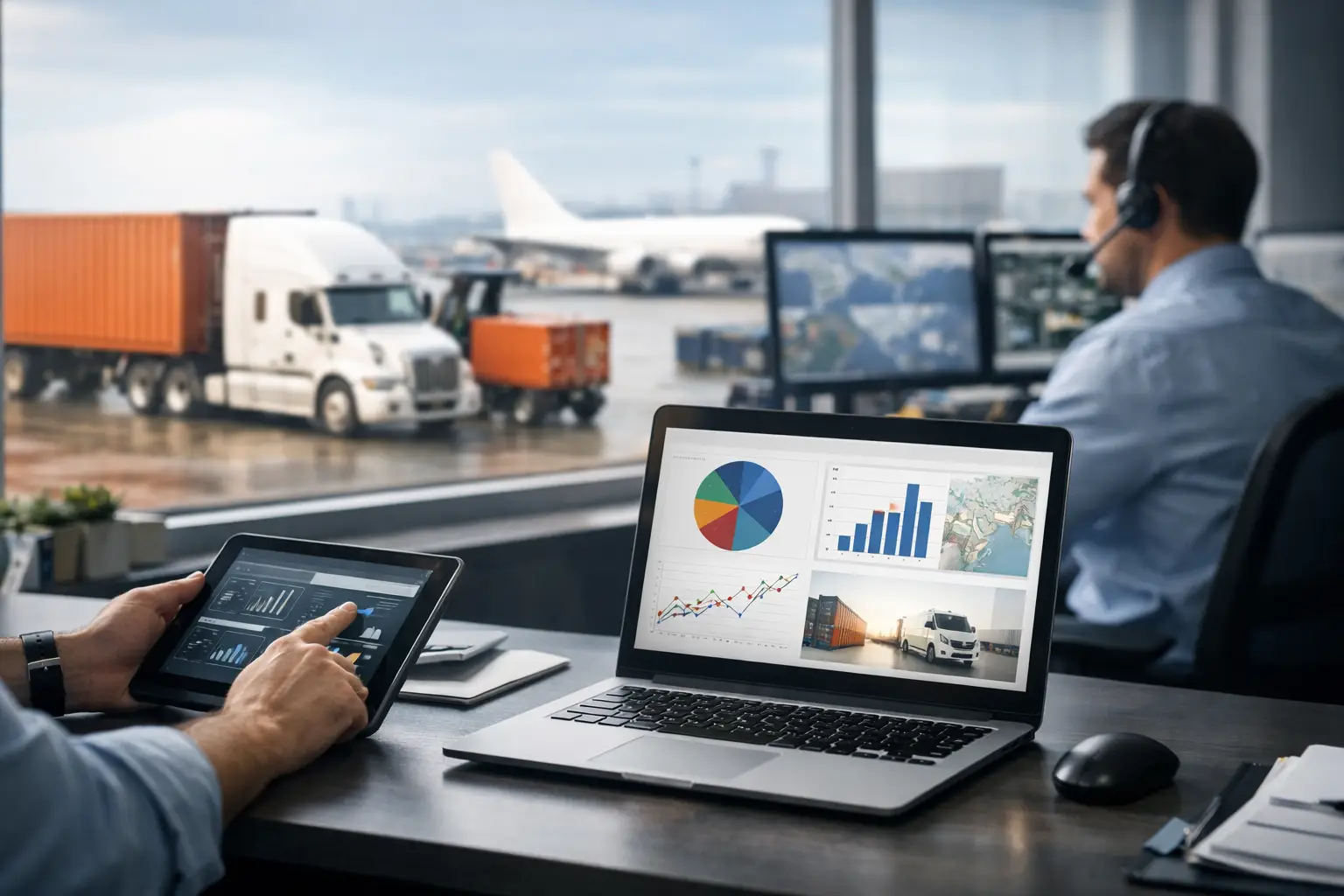

By the time a weekly report lands in an inbox, the damage is often already done. A driver has edged towards an hours issue, a trailer has sat idle for days, fuel use has crept up on one route, or a missed walkaround has become a maintenance problem. That is why transport management reporting software matters. For UK operators, reporting is not just about proving what happened last week. It is about spotting risk early enough to act on it.
For many fleets, the reporting problem starts with fragmentation. Tachograph data sits in one system, GPS tracking in another, maintenance reminders in a spreadsheet, and driver performance notes in someone’s head. The result is familiar - too much manual checking, too little confidence in the numbers, and a transport office that spends more time compiling information than using it.
What transport management reporting software should actually do
Good reporting software should reduce admin and improve control at the same time. If it only produces attractive charts, it is not solving the real issue. A transport manager needs reports that support decisions around compliance, planning, cost and utilisation.
That means bringing together the data that already drives the operation. Driver hours, remote tachograph downloads, live vehicle positions, trailer movements, fuel trends, idling, maintenance events and driver behaviour should all feed into a single view. Without that joined-up picture, every report tells only part of the story.
This is where many generic systems fall short. They may be fine at mapping vehicles or recording mileage, but UK commercial fleets need more than location data. Operators are working against legal obligations, customer delivery windows, workshop schedules and margin pressure. Reporting has to reflect that reality.
Why UK fleets need more than basic dashboards
A dashboard can be useful, but a dashboard is not a reporting strategy. A screen full of live data helps in the moment. It does not always help you manage trends, evidence compliance activity, or understand why one depot performs differently from another.
For example, a live map may show where your vehicles are. A proper reporting platform should also show whether those vehicles are being used efficiently, whether drivers are approaching working time limits, whether trailers are underused, and whether repeated late starts are affecting route performance. Those are management questions, not just tracking questions.
For operators under O-licence obligations, this distinction matters. You need clear records, dependable audit trails and timely warnings. If reporting is delayed or incomplete, risk builds quietly. The best systems do not wait for someone to pull a manual report at the end of the month. They surface exceptions as part of daily management.
The reports that make a practical difference
The most useful transport management reporting software tends to focus on a few operational areas first.
Compliance reporting is usually the priority. That includes remote tachograph download status, driver hours visibility, infringement trends and reminders around missing data. These reports help compliance managers act before a problem becomes a pattern.
Vehicle and trailer utilisation reporting is just as valuable, especially for mixed fleets. It shows which assets are earning, which are standing still, and where planning could be tighter. If you are leasing equipment or running a seasonal operation, this data quickly becomes commercial as well as operational.
Driver behaviour reporting also matters, but it needs context. Harsh braking and speeding alerts are useful, yet they should not be treated as isolated figures. The real value comes when behaviour data sits alongside route type, fuel use and incident history. That is how a report becomes something you can coach from rather than just file away.
Maintenance reporting is another area where joined-up data pays off. Service schedules, MOT dates, inspections and defect trends should not live separately from vehicle usage data. A heavily used vehicle needs closer attention than one covering limited mileage, and good software should reflect that.
One platform beats stitched-together reporting
It is possible to build reports from several systems, but the hidden cost is time. Someone has to export the data, clean it, compare naming conventions, chase missing records and explain why one report does not match another. That burden usually falls on transport managers or office staff who already have enough to do.
An integrated platform changes that. When reporting draws from telematics, tachograph compliance, tracking and asset data in one place, the numbers become easier to trust and faster to use. That does not mean every fleet needs every feature switched on from day one. It means the foundation should be capable of supporting the whole operation as requirements grow.
There is a trade-off here. A highly customised reporting setup can mirror your exact internal processes, but it often becomes harder to maintain. A more standardised platform may ask you to tidy up some workflows, yet it usually delivers faster value and less admin over time. For most operators, that is the better balance.
What to look for in transport management reporting software
The right system should fit how a transport office really works. Reports need to be clear enough for daily use, not just monthly review meetings. If the platform demands too much setup or specialist training, teams revert to spreadsheets because they are quicker in the short term.
Look closely at how data is collected. Remote tachograph downloads should happen reliably without creating extra tasks for drivers or depot staff. Vehicle and trailer tracking should be easy to deploy. Driver hours information should be live enough to support planning during the day, not just after shifts have ended.
It is also worth checking how exception reporting works. Most teams do not need more data. They need the system to highlight what requires attention now - overdue downloads, vehicles not moving, recurring idling, approaching maintenance deadlines or drivers near legal limits. That is where reporting starts to save time rather than consume it.
Pricing transparency matters too. Some software looks affordable until add-ons appear for compliance modules, asset types or report access. For transport operators, unpredictable software costs create the same frustration as unpredictable fuel bills. Clear monthly pricing and practical implementation make adoption much easier.
Reporting that supports planning, not just paperwork
The strongest case for better reporting is not administrative. It is operational. When dispatch planners can see live driver availability alongside vehicle position and utilisation, planning gets tighter. When managers can identify unproductive dwell time or repeated route delays, they can address root causes rather than chasing yesterday’s issue.
This is especially useful across HGV, van and trailer fleets where priorities differ by asset. A van operation may focus more on route efficiency and service responsiveness. An HGV fleet may lean more heavily on compliance, working time and trailer coordination. Reporting software should support both without forcing the team into separate systems.
That is why specialist platforms tend to outperform generic fleet software in transport environments. They are built around real tasks in the traffic office and compliance function. Fleetalyse, for example, is designed around the day-to-day needs of UK operators who want live visibility and compliance control in one place, without creating another layer of admin.
The real test is whether the team uses it
Software is only useful if the people running the fleet trust it enough to use it daily. That comes down to simplicity. Reports should be easy to find, easy to read and relevant to the role using them. A depot manager does not need the same view as a compliance lead, and an owner-manager may only want a few high-value measures that show risk, cost and utilisation at a glance.
It also depends on rollout. If implementation drags on for months, momentum disappears. Plug-and-play hardware, straightforward setup and clear reporting views usually beat a long project plan. Most operators do not need a software exercise. They need a working system that starts reducing admin quickly.
The best transport management reporting software does not just tell you what happened. It gives your team enough clarity to act before small issues become expensive ones. If your current reporting still relies on manual downloads, disconnected platforms and too much spreadsheet work, that is usually the sign that the software is not doing enough of the heavy lifting. Better reporting should make the transport office calmer, not busier.