

What is van tracking hardware: a UK fleet guide
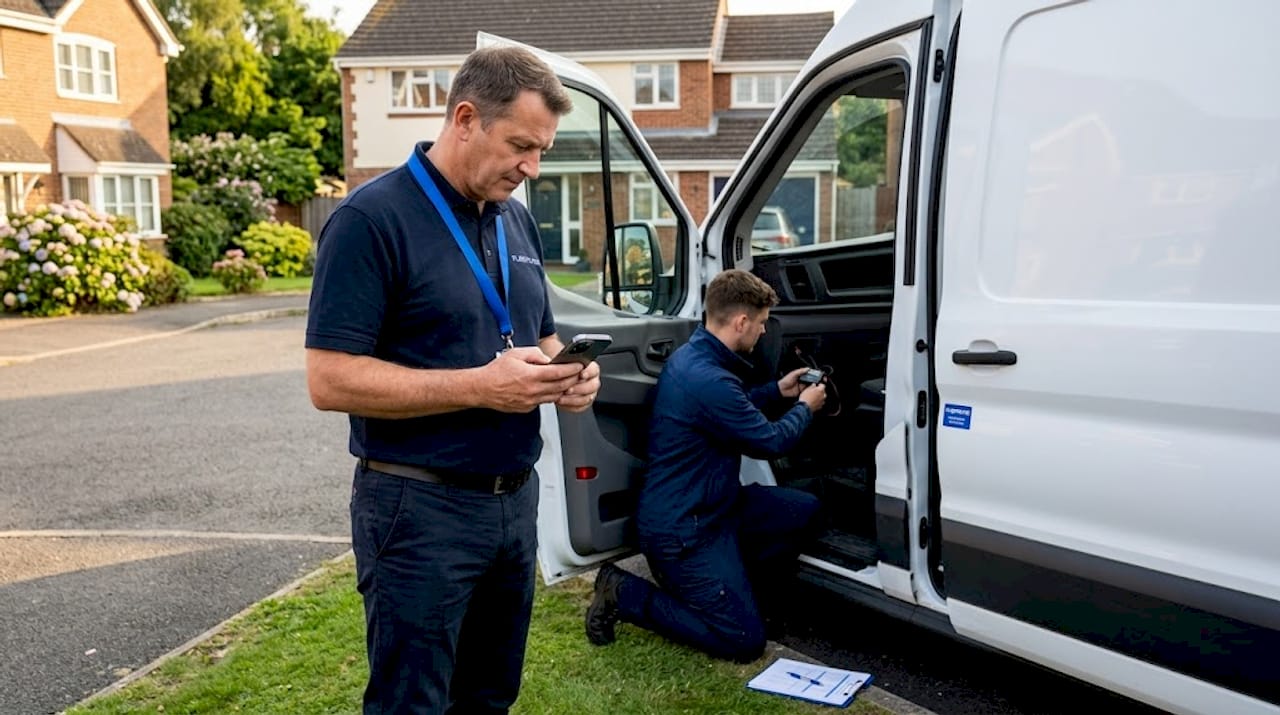
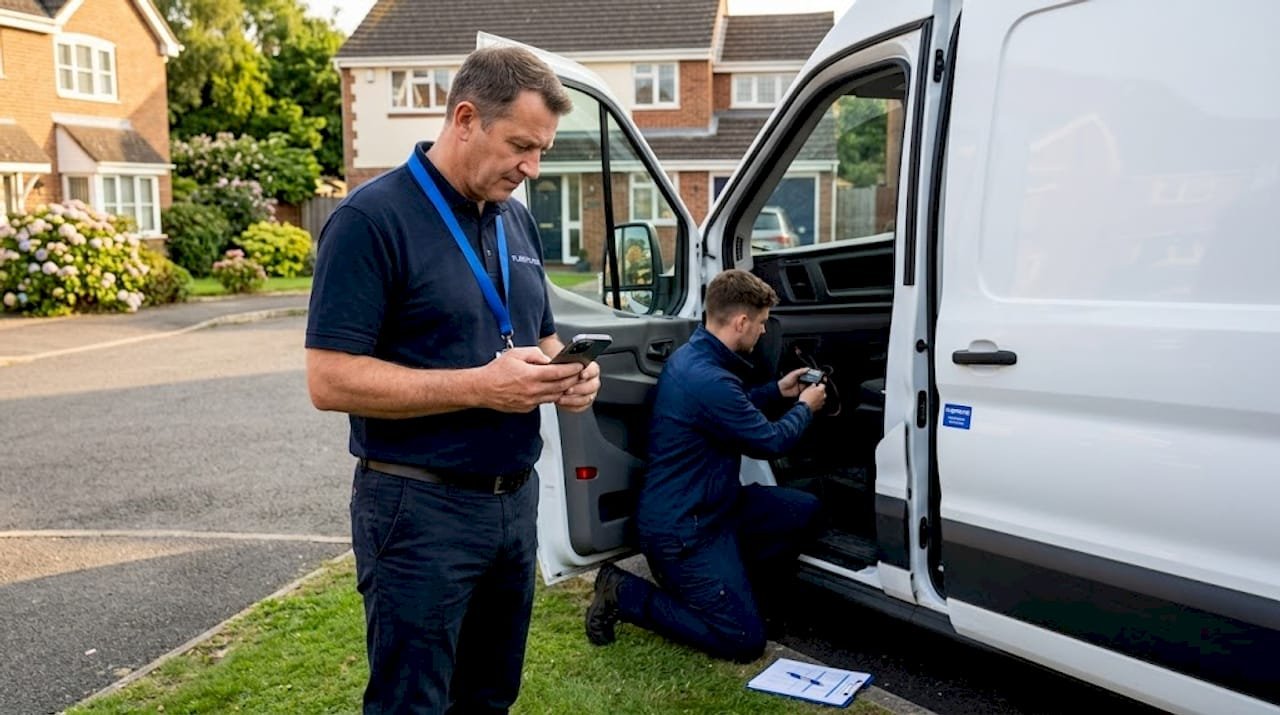
Van tracking hardware is not simply a GPS device stuck under a dashboard. For UK fleet managers and logistics professionals, understanding what is van tracking hardware really means is the difference between deploying a system that genuinely improves operations and buying equipment that creates more questions than it answers. This guide covers the core technology behind van tracking systems, the main hardware types available, the legal obligations you must meet under UK law, and the practical operational benefits you can expect. Whether you manage five vans or five hundred, the information here will help you make informed decisions with confidence.
Table of Contents
- Key takeaways
- What van tracking hardware actually is
- Types of van tracking hardware
- Legal obligations for UK fleet tracking
- Practical benefits of van tracking hardware
- My take on getting van tracking hardware right
- Equip your fleet with the right hardware
- FAQ
Key takeaways
| Point | Details |
|---|---|
| Hardware goes beyond GPS | Van tracking units combine GPS receivers, cellular modems, and vehicle sensors to capture rich operational data. |
| Installation type matters | OBD-II, hardwired, and battery-powered trackers each offer different levels of data accuracy, stealth, and maintenance. |
| UK GDPR compliance is mandatory | You must conduct a DPIA, update privacy notices, and notify drivers before deploying any tracking hardware. |
| Ignition sense wiring is critical | Without an ignition sense lead, trip start and stop data can be inaccurate, undermining your entire reporting. |
| Benefits extend beyond location | Driver behaviour monitoring, fuel analysis, and theft alerts are all delivered through the same hardware investment. |
What van tracking hardware actually is
Most people picture a small box that reports a vehicle’s position on a map. That picture is incomplete. Modern van tracking hardware is a purpose-built telematics unit that combines GPS, accelerometers, and CAN-bus access to capture data far beyond a simple dot on a map. Understanding each component helps you choose the right solution for your fleet.
The core elements of any van tracking unit are:
- GNSS receiver: Determines the vehicle’s precise geographical position by communicating with satellite constellations. Most modern units use multi-constellation receivers for better accuracy in urban areas.
- Cellular modem: Transmits location and event data to a cloud platform over 4G or LTE networks. Without this, you have logging, not live tracking.
- Accelerometer and gyroscope: Detect motion, harsh braking, sharp cornering, and acceleration events. This is what powers driver behaviour monitoring.
- Input/output connections: Wiring points that connect the unit to the vehicle’s ignition, the OBD-II port, or the CAN-bus. These connections unlock engine data including RPM, fuel levels, and fault codes.
The distinction between van GPS tracking solutions and full telematics hardware lies in this last point. A basic GPS logger records position. A telematics unit reads the vehicle itself, which is why the in-vehicle unit works with software platforms via cellular networks to transform raw data into reports you can actually act on.
Pro Tip: When evaluating hardware, ask the supplier specifically whether the unit reads CAN-bus data or relies solely on motion detection. CAN-bus access is what separates genuinely useful fleet tools from glorified trackers.
The hardware also communicates alerts in near real time. Van trackers instantly alert you if a vehicle is moved outside working hours or without authorisation, which is one of the most practically valuable features for theft prevention.
Types of van tracking hardware
Not all tracking hardware is installed or used the same way. The three main categories carry distinct tradeoffs that matter when you are equipping a working fleet.
OBD-II plug-in trackers
These plug directly into the OBD-II diagnostic port found in most vans built after 2001. Installation takes seconds and requires no wiring. The drawback is visibility. The port is usually under the steering column, making these units easy to find and remove. They also draw power constantly from the vehicle’s battery if not managed carefully.
Hardwired trackers
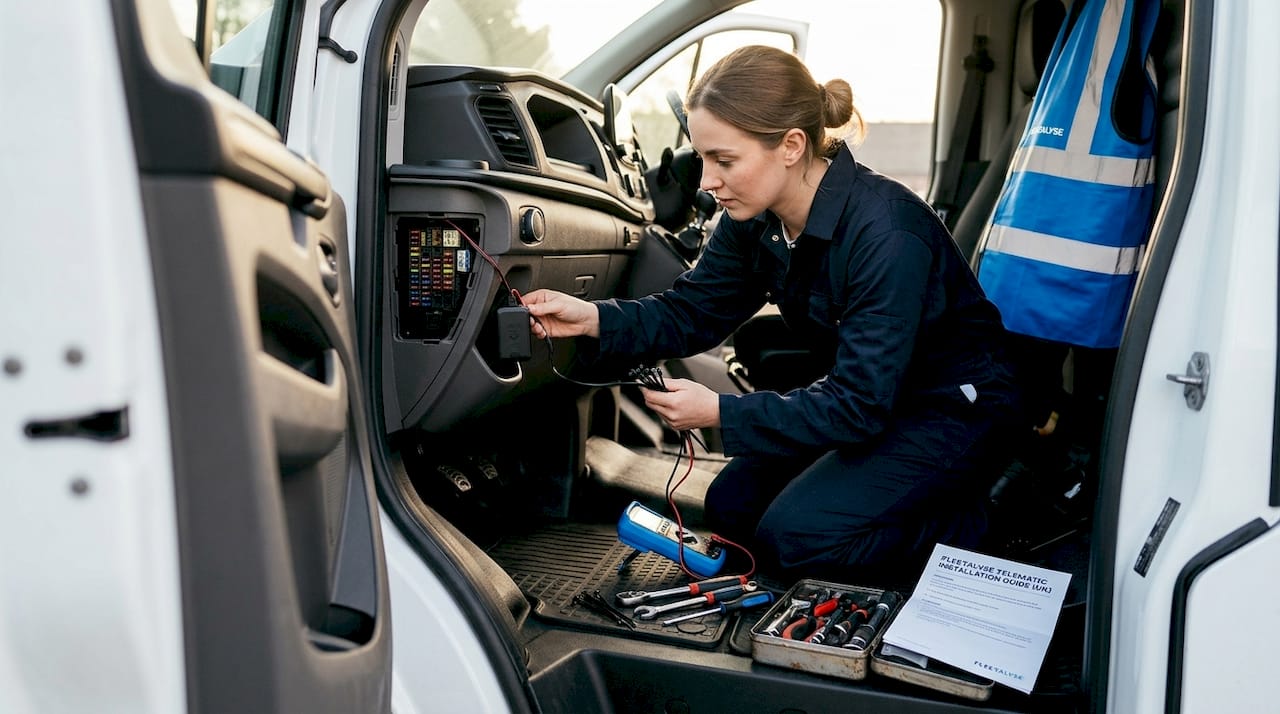
Hardwired units are connected directly to the vehicle’s electrical system, typically drawing power from a fused ignition feed. Including an ignition-sense lead ensures the device registers the exact moment the engine starts and stops, rather than estimating from motion alone. This makes trip reporting accurate and reliable. Installation requires a competent auto-electrician, but the result is a discreet, tamper-resistant device that is difficult for drivers or thieves to locate and disconnect.
Battery-powered trackers
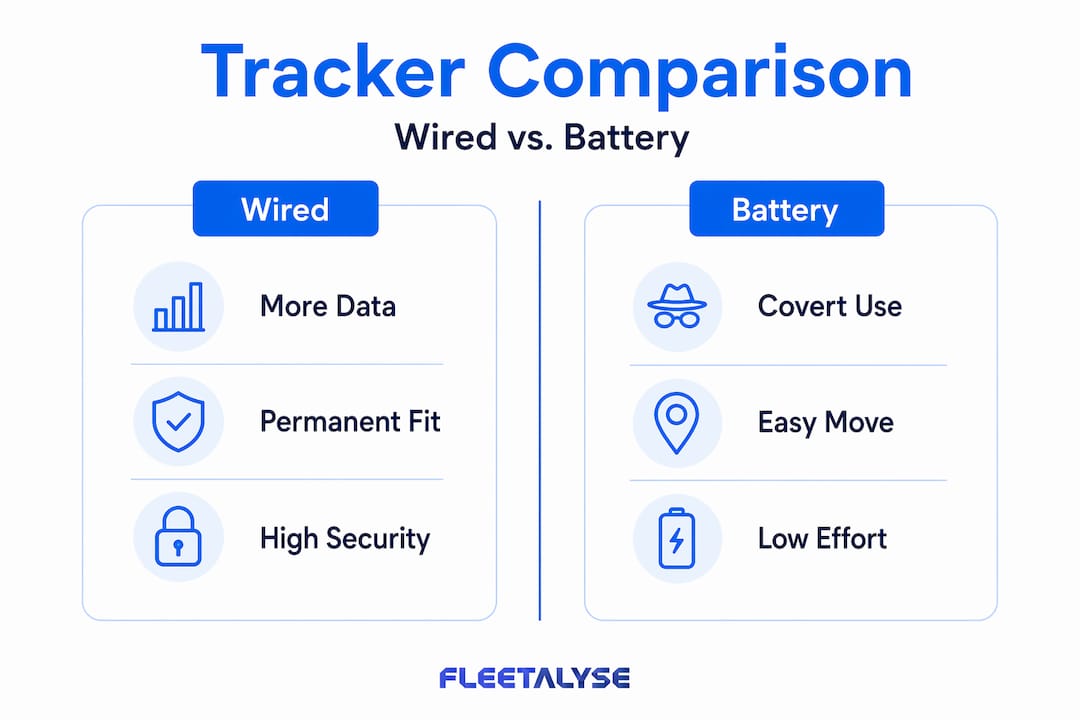
Battery-powered devices carry their own power supply, making them genuinely covert and usable on trailers, assets, or vehicles where wiring is impractical. The tradeoff is maintenance: batteries need regular charging or replacement, and smart power management is needed to avoid draining the unit before it records a critical event.
| Hardware type | Installation effort | Data richness | Stealth level | Maintenance |
|---|---|---|---|---|
| OBD-II plug-in | Very low | Moderate | Low | Minimal |
| Hardwired | High | High | High | Low |
| Battery-powered | Low to medium | Low to moderate | Very high | High |
When choosing between types, consider the tradeoffs in data richness and maintenance alongside your security requirements. For most van fleets where accurate trip data and driver behaviour reporting are priorities, hardwired units with ignition sense wiring are the practical choice.
Legal obligations for UK fleet tracking
Deploying van tracking hardware in the UK is not simply a technical decision. It carries legal responsibilities under UK GDPR that you must address before a single device goes into a vehicle.
The Information Commissioner’s Office is clear: employers must update privacy notices, provide signage, and ensure lawful data processing when deploying vehicle tracking. This applies to GPS trackers and extends further if you are also fitting dashcams with inward-facing lenses.
The two most important compliance steps are:
Data Protection Impact Assessment (DPIA): UK GDPR demands a DPIA before you deploy tracking that monitors employees. This document records what data you are collecting, why you need it, how long you will keep it, and what safeguards are in place. It does not need to be long, but it must exist and be kept up to date.
Driver notification: You cannot track employees covertly without justification. Your employment contracts and privacy notices must clearly state that vehicles are tracked, what data is recorded, and how it is used. Verbal notification is not sufficient on its own.
“Organisations must justify the necessity and proportionality of vehicle tracking and surveillance hardware, balancing operational need against the privacy rights of drivers and passengers.” ICO Guidance on Surveillance in Vehicles
Pro Tip: If you operate inward-facing dashcams, the privacy considerations increase significantly. Drivers and passengers have privacy rights that must be respected, and you need clear, documented policies explaining when footage is reviewed and by whom.
Getting compliance right protects you legally and builds trust with your drivers, which makes the technology far more likely to deliver the operational results you want.
Practical benefits of van tracking hardware
Once your hardware is installed and your compliance groundwork is done, the operational advantages become tangible across several areas of your business.
-
Real-time location and route monitoring. You see exactly where every vehicle is at any given moment, which supports accurate ETAs for customers, faster response to delays, and evidence in the event of disputes about delivery times.
-
Unauthorised movement alerts. Van trackers alert you instantly when a vehicle is moved outside set hours or outside a defined geographic boundary. This is one of the most direct advantages of van tracking for theft prevention and asset security.
-
Driver behaviour reporting. Tracking systems include motion sensors and dashboards that surface harsh braking, aggressive acceleration, and excessive idling. Addressing these behaviours reduces accident risk and cuts fuel spend at the same time.
-
Fuel efficiency insights. When the hardware integrates with CAN-bus data, you get actual fuel consumption figures per journey and per driver. This moves fuel management from estimation to fact-based decision-making.
-
Maintenance scheduling. Engine hours and mileage data from the hardware feed directly into service reminders, reducing the risk of a vehicle going overdue on an inspection and creating a compliance problem with the DVSA.
-
Insurance and incident evidence. Journey history and event data provide an objective record that is genuinely useful when managing insurance claims or driver conduct processes.
The broader point is that effective fleet telematics combines hardware, software, and communication networks to turn raw vehicle data into decisions. The hardware is the foundation. Without it, your software platform has nothing to work with.
My take on getting van tracking hardware right
I’ve worked in fleet telematics long enough to see the same mistakes repeated across businesses of every size. The most common one is treating hardware selection as a commodity decision, buying whatever is cheapest and assuming the software will compensate for poor installation or the wrong device type.
In my experience, the single biggest differentiator between a tracking deployment that genuinely improves operations and one that quietly frustrates everyone is ignition sense wiring. When this is missing, trips are logged late or merged together, and your driver behaviour data looks wrong. Fleet managers lose confidence in the reports, drivers dispute the findings, and the whole investment starts to feel worthless. It is a wiring detail that costs very little to get right during installation.
I’ve also seen businesses buy the most technically capable units on the market and then deploy them without telling their drivers. The backlash is always disproportionate to the problem it causes, and it is entirely avoidable. Transparency is not just a legal requirement. It is genuinely better management.
What I’ve learned is that affordability of modern tracking hardware means small fleets now have access to features that were enterprise-only five years ago. The opportunity is real. But the fleets that get the most from it are the ones who treat hardware selection, installation quality, and legal compliance as equally important parts of the same decision.
— Vytautas
Equip your fleet with the right hardware
If you are ready to move from understanding to action, Fleetalyse provides the hardware and platform infrastructure to make van tracking work properly across your fleet.
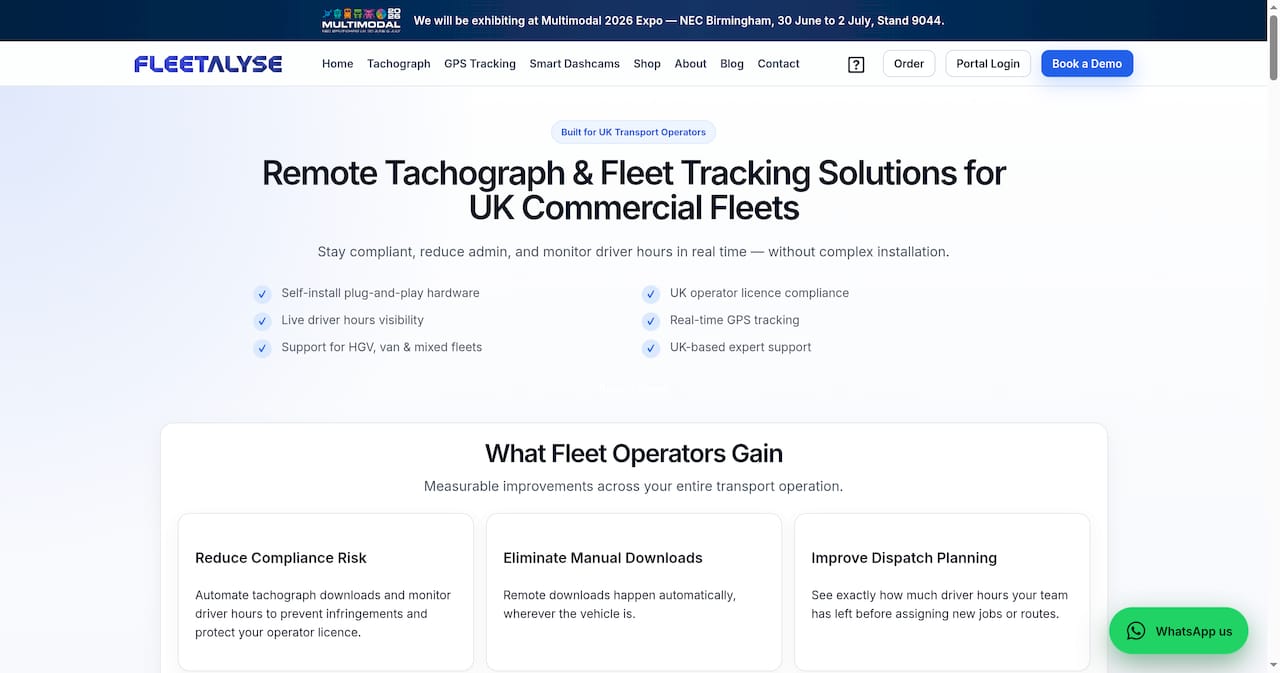
Fleetalyse’s GPS tracking and smart dashcam solutions are designed specifically for UK commercial operators, combining plug-and-play telematics units with a compliance-focused platform that handles driver behaviour monitoring, remote tachograph downloads, and DVSA-aligned reporting in one place. You get real visibility into your vans, not just dots on a map. Visit the Fleetalyse shop to see the full range of trackers, dashcams, and accessories available for your fleet, or explore the platform to understand how hardware and compliance management work together.
FAQ
What does van tracking hardware consist of?
Van tracking hardware typically includes a GNSS receiver, a cellular modem, and an accelerometer, combined with wiring that connects to the vehicle’s ignition or CAN-bus system to capture location, engine data, and driver behaviour events.
How does van tracking work in practice?
The hardware unit records position and vehicle data, then transmits that information to a cloud platform via a cellular network, where it is presented as live tracking, journey history, and driver behaviour reports on a software dashboard.
Is van tracking legal in the UK?
Yes, but you must comply with UK GDPR. This means conducting a Data Protection Impact Assessment, notifying drivers through updated privacy notices, and justifying the tracking as necessary and proportionate to your operational needs.
What is the best type of van tracking device for a working fleet?
Hardwired trackers with an ignition sense lead offer the highest data accuracy and the best combination of security and reliability for most working van fleets, though OBD-II units are a practical lower-cost option for smaller operations.
Can van tracking hardware monitor driver behaviour?
Yes. Most telematics units include accelerometers that detect harsh braking, sharp cornering, and rapid acceleration. When combined with CAN-bus integration, the hardware can also report on fuel consumption and engine idling, giving you a complete picture of how your vans are being driven.