

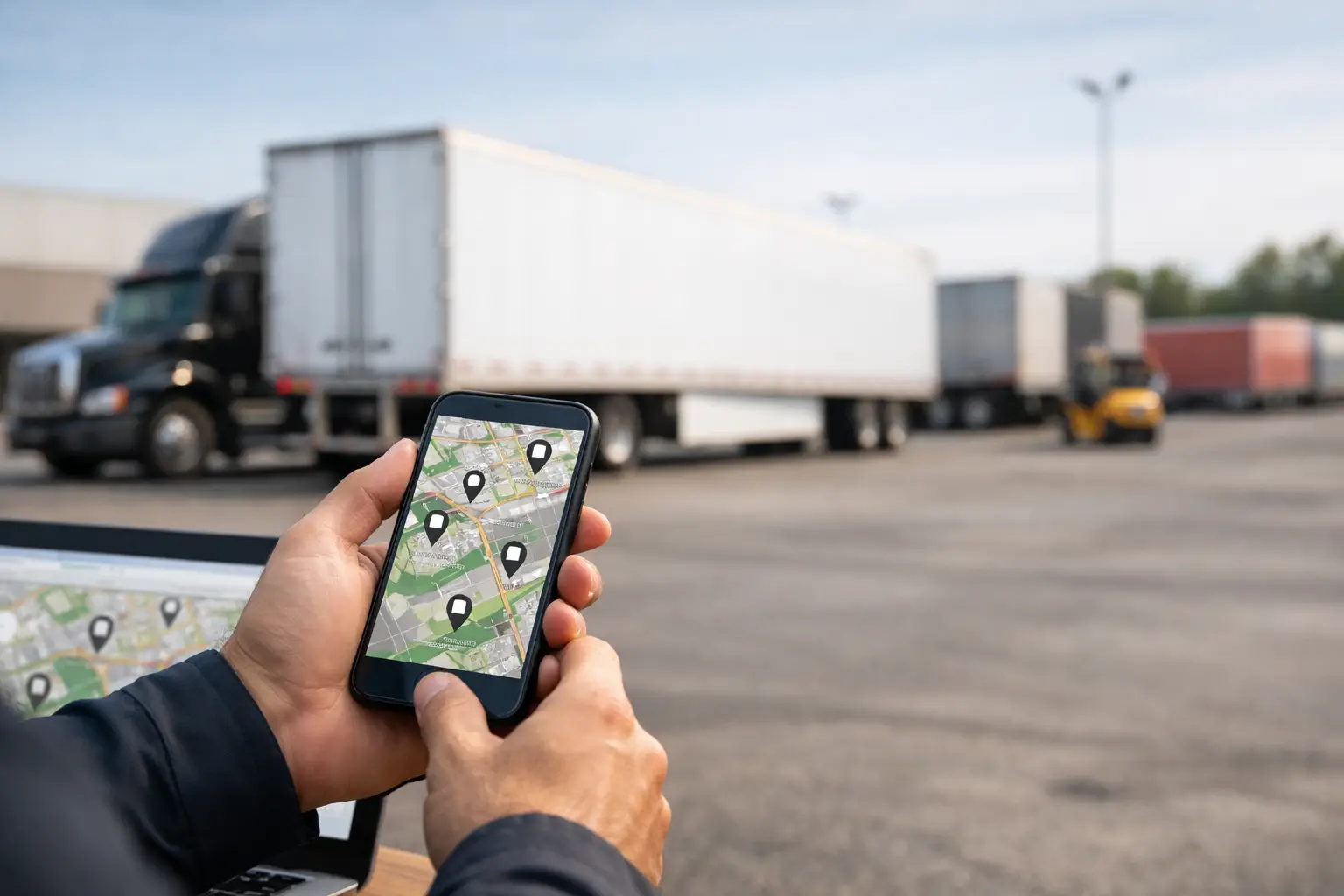

A trailer goes missing on paper long before it goes missing in the yard. It is usually parked after a delivery, noted in a spreadsheet, moved by another driver, and then turns into a round of calls between planning, the depot and the customer site. If you are working out how to track trailer locations, the real goal is not just putting a pin on a map. It is keeping control of assets, dispatch decisions and compliance without adding more admin.
For most UK operators, trailer tracking matters because trailers are the least visible part of the fleet and often the easiest to lose track of operationally. A unit is usually seen, a driver is contactable, but a trailer can be dropped, swapped, left at a customer site or moved between depots without a clean handover. That creates wasted time, poor utilisation and avoidable security risk.
How to track trailer locations in practice
The practical answer is to fit each trailer with a dedicated tracking device that reports its position through GPS and mobile data, then view that information in the same platform you use for vehicle visibility and fleet management. That sounds simple, but the value depends on what data you can act on.
A basic tracker will show where the trailer is now. A useful trailer tracking setup will also show movement history, dwell time, geofence activity and whether the asset has been inactive for too long. For a transport manager or planner, that is the difference between knowing a trailer exists and knowing whether it is earning, waiting, overdue for collection or somewhere it should not be.
The best approach is to avoid treating trailer tracking as a standalone tool. If trailer positions sit in one portal, vehicle tracking in another and compliance records somewhere else again, the same old visibility problem remains. You still spend time switching systems and piecing together what happened.
What you need to track trailer locations reliably
There are three parts to getting this right: hardware on the trailer, dependable location reporting, and software that makes the data usable.
The hardware needs to suit the way trailers operate. Unlike powered vehicles, trailers are not always running daily and do not have the same power profile, so the tracking device has to be designed for that reality. Battery life, reporting frequency and fitment all matter. A tracker that updates too infrequently may save power but leave you blind when an asset moves. One that reports constantly may generate more data than you need and create unnecessary cost.
GPS provides the location data, but mobile network coverage affects how quickly and consistently positions are reported. In most fleet operations that is manageable, but it is worth understanding that live tracking is only as live as the signal available at the time. If a trailer enters a poor coverage area, the platform should still record and update location history once connection returns.
Software is where trailer tracking becomes operationally useful. You want to see trailers alongside vehicles and drivers, not buried in a separate asset list. Searchability matters. So does map clarity, alerting and the ability to spot idle trailers quickly. If a planner has to click through multiple screens just to answer a customer query, the system is not reducing friction.
The features that actually matter
Many trailer tracking systems promise visibility, but transport teams usually need something more specific. The first requirement is live location, but after that the priorities are movement history, geofencing and utilisation insight.
Movement history helps when there is a dispute about where a trailer was left, when it arrived or whether it has been moved unexpectedly. Geofencing helps you set rules around depots, customer sites and approved parking locations so your team is alerted when a trailer enters or leaves a defined area. That is useful for both security and planning.
Utilisation reporting is often overlooked. If you can see which trailers are active, which have been parked for weeks and which are moving less than expected, you can make better decisions about asset allocation. Some operators discover they do not have a shortage of trailers at all. They have a visibility problem.
Security features matter too, but they should be practical rather than cosmetic. An alert when a trailer moves outside working hours is valuable. A system that sends constant non-critical notifications is not. The right balance depends on the size of your fleet, the routes you run and how often trailers are dropped away from base.
Common ways operators lose visibility
Most trailer location problems are process problems first. The tracking device is one part of the answer, but poor visibility often starts with inconsistent trailer IDs, manual yard records and no clear ownership of updates.
If your team refers to the same trailer by different names, or if dispatch and depot records do not match, even accurate tracking data becomes harder to use. The system should be set up with clear asset naming, depot groupings and easy search. Otherwise the platform tells you where the trailer is, but the team still cannot find it quickly enough to act.
Another common issue is relying on drivers or depot staff to record trailer movements manually. That works until the depot is busy, the trailer is swapped late, or a customer site changes the plan. Live tracking reduces dependence on memory and paper-based handovers, which is exactly where visibility tends to break down.
Choosing the right reporting frequency
Not every trailer needs second-by-second updates. A long-haul curtain-sider in constant use may justify more frequent location reporting than a rarely moved plant trailer. The right setup depends on how the asset is used, how quickly you need to respond to movement and how important battery preservation is.
For many operators, event-based reporting works well. That means the trailer reports on movement, arrival, departure and scheduled intervals rather than creating a constant stream of positions. It gives enough operational visibility for planning and security without wasting battery life or cluttering reports.
This is where specialist fleet providers tend to outperform generic GPS suppliers. They understand that a transport operation needs useful exceptions and clear reporting, not just more dots on a map.
Why integration matters more than another map
Trailer tracking is most valuable when it sits inside a wider fleet control platform. If your compliance team monitors tachograph deadlines in one place, planners track units elsewhere and trailer visibility lives in a third portal, the business still runs on workarounds.
An integrated system gives planners immediate context. They can see the nearest available vehicle, the driver status and the trailer location in one view. Compliance teams can work from the same operational picture rather than chasing updates after the fact. That reduces admin and shortens decision time, especially in mixed fleets where units, vans and trailers move across different jobs and sites.
For UK operators, that joined-up view is more than convenience. Better control over assets, drivers and records supports stronger operator licence management because there is less room for missed information, conflicting reports or manual error.
How to roll out trailer tracking without disruption
The easiest deployments are the ones that do not ask depot teams to change everything at once. Start with the trailers that create the most operational friction - usually high-value assets, frequently dropped trailers, or those shared across depots and customers.
Once those assets are visible, review the practical impact. Are planners spending less time calling around for updates? Are idle trailers easier to spot? Has customer query handling improved? Those are better indicators than raw tracking volume.
It also helps to keep implementation straightforward. Self-install hardware and transparent monthly pricing are often better suited to busy transport operations than complex projects that need long lead times and specialist fitters. That is one reason integrated platforms such as Fleetalyse appeal to operators who want control quickly without building another admin process around the technology.
What good trailer tracking should achieve
If your tracking setup is working properly, your team should be able to answer a few basic questions fast. Where is the trailer now? When did it last move? How long has it been on site? Is it where it should be? Is it actually being used enough to justify keeping it in the fleet?
That is the standard to aim for. Not more data for its own sake, but fewer unknowns in the working day.
When you are deciding how to track trailer locations, choose a system that fits the reality of transport operations rather than one that simply adds another screen. The best result is not a map full of assets. It is a fleet that is easier to plan, easier to protect and far less dependent on guesswork.