
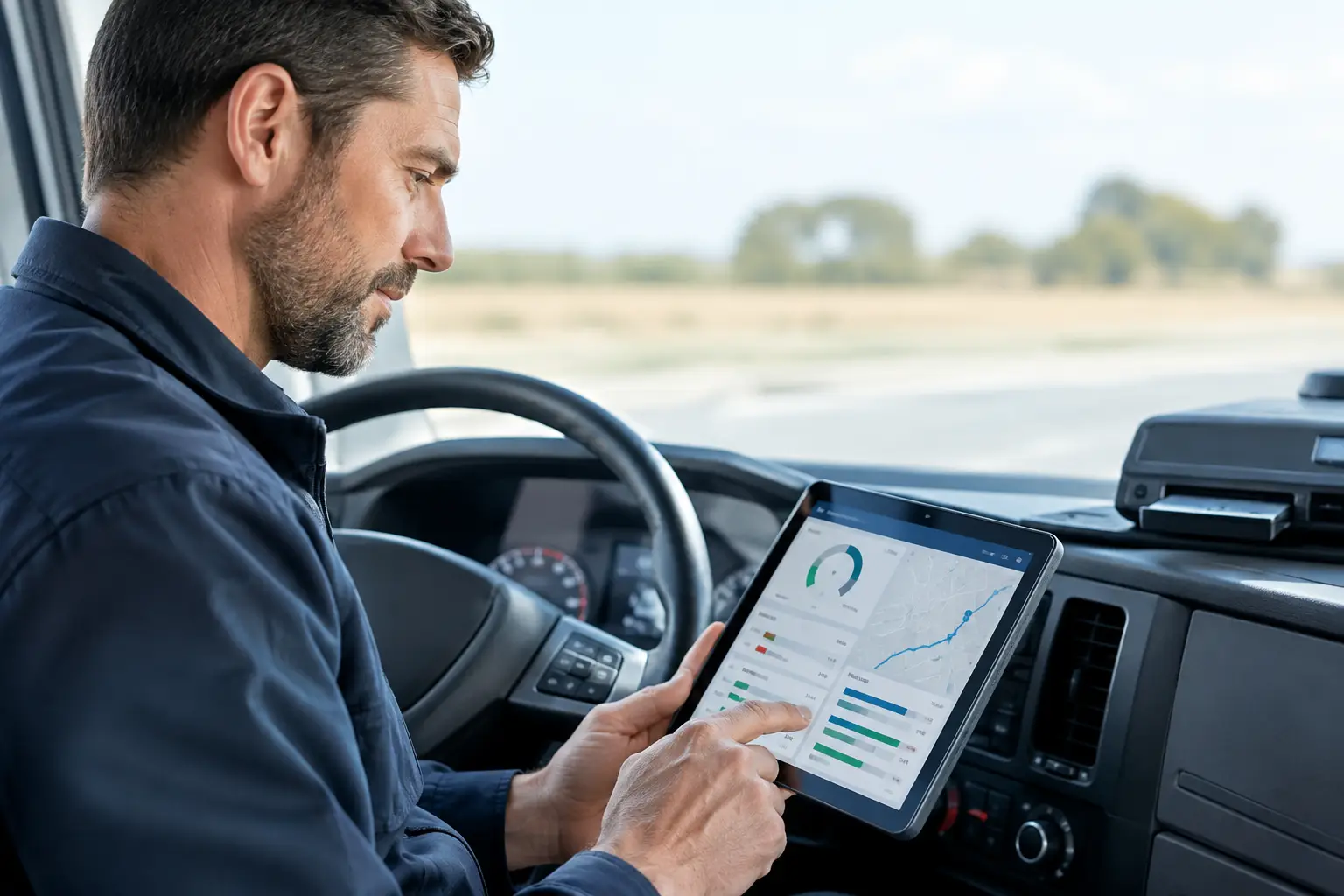
A missed driver card download, an unresolved infringement or a tired planner working from last week’s spreadsheet can create more than an admin problem. It can expose a transport operation to avoidable risk. Tachograph compliance software gives UK operators a clearer, more timely view of driver hours and working time, so issues can be managed before they become patterns that put an operator licence under pressure.
For busy haulage and mixed-fleet businesses, the real value is not simply storing tachograph files. It is turning data into a practical daily control process: knowing who is available, what needs downloading, where exceptions sit and which drivers need a conversation.
What tachograph compliance software should do
At its most useful, tachograph compliance software brings driver card and vehicle unit data into one place, checks it against the relevant rules and highlights potential infringements for review. Rather than chasing files across depots or waiting until the end of the month to run reports, transport teams can work from a current compliance picture.
That picture should include scheduled and completed remote downloads, driver-hours status, working time information, infringement reporting and clear records of actions taken. The aim is not to replace the judgement of a transport manager. It is to make that judgement faster and better informed.
This matters because compliance is rarely lost through one dramatic failure. More often, risk builds through small operational gaps: a card that has not been downloaded, a repeated break infringement, an agency driver not properly checked, or a vehicle that has been away from base longer than expected. Software makes these gaps visible while there is still time to act.
Remote downloads remove a recurring bottleneck
Manual downloading is workable for a very small operation with vehicles returning to the same yard every day. It becomes less reliable when lorries work nationally, drivers are based across several depots, or planners are already dealing with last-minute changes.
Remote tachograph download capability can collect vehicle unit and driver card files without bringing the vehicle back to site purely for compliance administration. This reduces the burden on drivers and depot staff, while helping the operator maintain a consistent download routine.
There are practical limits. A driver card must be present in the tachograph, and data availability can depend on vehicle connectivity and equipment configuration. Good software should make exceptions obvious, rather than creating false confidence that every file has arrived.
Live driver-hours monitoring improves planning
Compliance data is most valuable when it helps before a shift is allocated. A planner who can see remaining driving time, required breaks and weekly rest position is less likely to send the wrong driver on a job that cannot be completed legally.
Live driver-hours monitoring supports better decisions around collections, late-running deliveries and shift changes. Instead of phoning drivers for estimates or relying on a paper note in the traffic office, dispatch can use a current view of availability. This is especially useful when delays build during the day and the original plan no longer reflects reality.
It does not mean every job can be solved by a screen. Drivers still need to assess their circumstances, and transport managers must apply judgement around road conditions, loading delays and safe stopping places. But a live view provides a stronger starting point than reacting after an infringement has already occurred.
For mixed fleets, it also helps distinguish between the vehicles and drivers operating under tachograph rules and those that are not. That prevents teams from applying one blunt process across the entire operation.
Infringement reports need an action trail
An infringement report alone does not protect an operator licence. What matters is how the business investigates repeated issues, supports drivers and records the response.
Effective tachograph compliance software should allow managers to sort exceptions by driver, vehicle, type and severity, then focus attention where it is needed. A single minor event may be explained by circumstances. A recurring pattern involving the same driver, route or depot may point to a training gap, unrealistic scheduling or poor communication from the traffic office.
The follow-up process should be proportionate. Managers may need to speak with the driver, obtain an explanation, provide coaching, adjust a route plan or review a working practice. Recording that action creates evidence that the business is actively managing compliance rather than merely collecting data.
This is one area where software should support a fair culture. Treating every alert as automatic driver fault can discourage honest reporting and overlook operational causes. Equally, ignoring repeat exceptions because the operation is busy creates a risk that is hard to defend later. The useful middle ground is a consistent review process backed by clear records.
Why a combined platform changes the day-to-day job
A standalone tachograph system can address a specific compliance requirement. However, transport teams often still have to switch between tracking software, maintenance spreadsheets, fuel reports and separate driver records to understand what is happening.
Combining tachograph management with GPS tracking, vehicle and trailer visibility, driver behaviour data and maintenance reminders gives the team operational context. If a driver-hours position is tight, live location helps the planner assess whether the vehicle can safely reach an appropriate stopping point. If repeated late finishes appear in the data, route history and utilisation information can help identify whether the cause is planning, customer delays or vehicle downtime.
The benefit is less time spent reconciling disconnected systems. It also improves the quality of conversations between compliance, transport and depot teams, because they are looking at the same operational picture.
Fleetalyse is designed around this practical requirement, bringing remote tachograph downloads and driver-hours monitoring together with live fleet visibility in one platform. For operators, that can replace the familiar mix of manual downloads, spreadsheet checks and calls to drivers for location updates.
What to look for before choosing a system
The right platform depends on fleet size, vehicle mix, operating pattern and the level of in-house compliance support. A national HGV operation with multiple depots has different needs from a local business running a small number of vehicles, but both need clear data and dependable processes.
When assessing a provider, look beyond the headline feature list. Ask how the system handles missed downloads and alerts, whether reports are easy for managers to interpret, and how quickly the team can see a driver’s current position. Check whether vehicle and driver data can be viewed alongside tracking information, rather than in separate portals.
Implementation should be realistic too. Hardware that is difficult to fit or requires repeated workshop visits can delay the benefits. Self-install options and straightforward monthly pricing may be better suited to operators that need to roll out technology without disrupting vehicles or creating unexpected costs.
It is also worth asking who will own the daily process. Software can automate collection and flag exceptions, but someone must review alerts, follow up with drivers and keep procedures consistent. The best results come when the system is built into planning and compliance routines, not treated as a monthly reporting task.
Set clear routines from day one
A useful rollout begins with responsibility, not settings. Decide who checks download status, who reviews infringements, who speaks to drivers and what happens when a vehicle is offline or a card file is missing. Set review frequencies that suit the operation, then make sure cover is in place for holidays and busy periods.
Managers should also agree how findings will be used. Driver-hours data can support coaching and legal scheduling, but it can also reveal wider issues such as inefficient allocation, excessive waiting time or work that consistently overruns. Treating the data as an operational tool, rather than a compliance burden, produces a better return.
The strongest tachograph process is one that gives the transport office fewer surprises. When drivers, planners and compliance managers can work from current information, it becomes easier to plan legally, resolve issues fairly and keep the fleet moving without relying on spreadsheets and hindsight.