
Live Driver Hours: Real-Time Visibility for Compliant UK Fleets
If an HGV driver or lorry driver breaks the hours rules, they could face fines of up to £1,500 for multiple infringements since March 2018. Penalties for violating driving hours regulations can include large fines and even custodial sentences for serious breaches. In extreme cases, drivers may face court action, and their vehicle may be immobilised.
Live driver hours refers to real-time visibility of a driver’s tachograph status—showing how many hours they have driven, how many hours remain today, this week, and this fortnight, plus when breaks or rest are due. Unlike historic tachograph reports that only become available after download, live driver hours data streams minute-by-minute from digital tachographs and telematics devices.
This article covers EU rules and GB domestic rules as they apply in 2026 for UK commercial fleets. Fleetalyse provides a live driver hours dashboard using remote tachograph DDD file downloads for both vehicle units and driver cards, combined with in-cab telematics data, giving transport managers the visibility they need to stay compliant.
Who Do Driver Hours Rules and Live Monitoring Apply To?
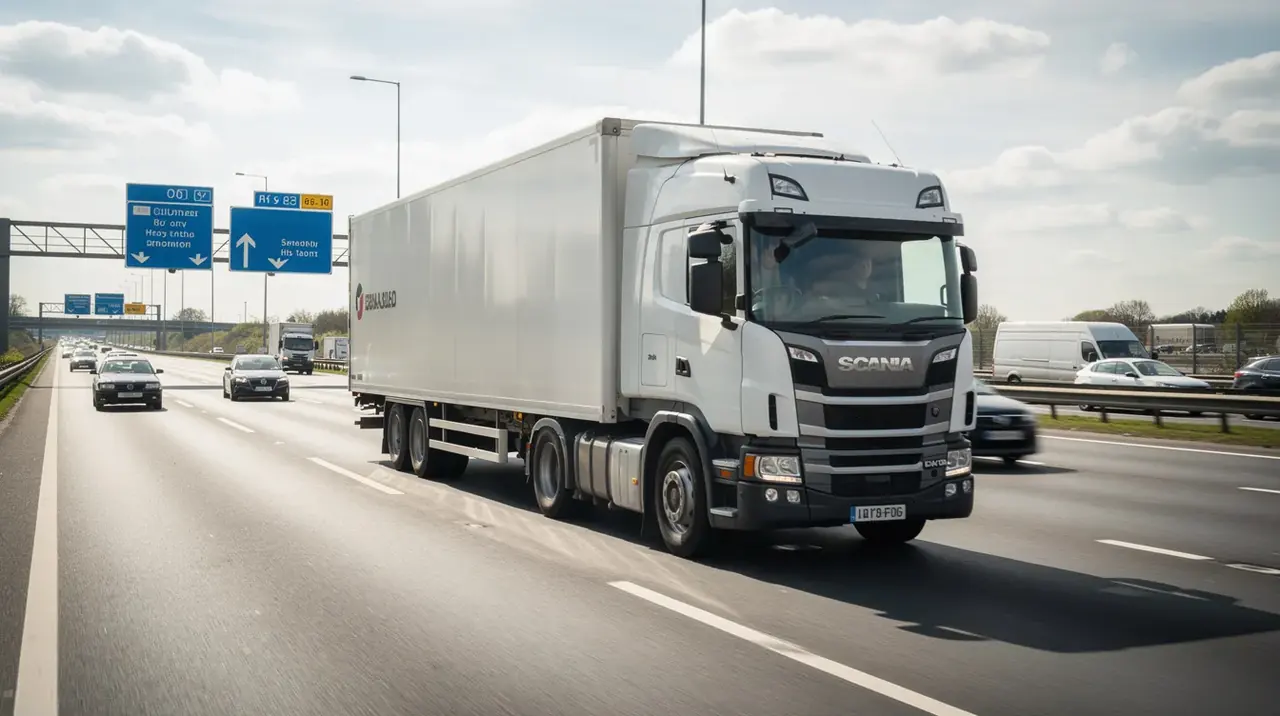
EU drivers’ hours rules apply to goods vehicles over 3.5 tonnes maximum weight operating in the UK and across Europe. Most UK haulage, logistics, and pallet network operations fall within scope.
Heavy goods vehicle operations: Articulated lorries, rigids over 7.5t, and 3.5t+ vans pulling trailers
GB domestic rules apply: Vans and light commercial vehicles up to 3.5t GVW exempt from EU regulations still have defined driving and duty limits
Exemptions exist: Breakdown recovery, certain utility vehicles, and specific local services may have relaxations—check DVSA guidance on gov.uk
Live driver hours tracking is relevant for both HGV and van fleets, ensuring all drivers operate within legal limits regardless of which rule set applies.
Daily Driving Limits for HGV Drivers
Under EU rules, the daily driving limit is nine hours. HGV drivers in the UK can extend this to 10 hours twice a week within the same week. The 24 hour period is measured from the end of the last weekly rest period or daily rest, not simply midnight to midnight.
For example, a driver starting at 06:00 could drive 4.5 hours until 10:30, take a break, then complete another 4.5 hours of driving, finishing around 16:45. Throughout this working day, live driver hours systems display used versus remaining driving time in real-time.
Live dashboards alert transport planners when a driver approaches their 9- or 10-hour limit, preventing last-minute infringements that could result in a prohibition notice. Accurate ETA predictions require knowledge of how many hours a driver has been driving and how much time remains for compliance purposes.
Weekly and Fortnightly Driving Limits
An HGV driver cannot exceed 56 hours per week of hgv driving under EU regulations. The maximum driving hours for HGV drivers includes a fortnightly limit of 90 hours over any two consecutive weeks.
One week cap: 56 hours of driving
Two-week aggregate: 90 hours every other week combined
Example: 50 hours in week one leaves maximum 40 hours available in week two
All tachograph-recorded driving counts: Including yard moves if set to “driving” mode
A live driver hours dashboard shows week-to-date and fortnight-to-date totals for every driver, enabling planners to see who still has legal driving capacity before allocating loads.
Daily Working Time, 15-Hour Days and Periods of Availability
While hgv driving hours focus on driving time, the Working Time Regulations limit overall working hours to an average of 48 hours per week, with an absolute cap of 60 hours in any single week.
Within a 24 hour period, an HGV driver can have a working “spread-over” of up to 15 hours, provided they take at least nine hours daily rest. This reduced rest period is permitted up to three times between weekly rest periods, allowing for three 15-hour working days.
15-hour day example: Start 05:00, finish 20:00, with driving, loading, waiting, and required breaks—followed by 9-hour rest finishing at 05:00 next day
13-hour day: Standard pattern with 11 hours unbroken rest period overnight
Periods of Availability (POA): On-call time such as waiting to be loaded does not count as working time for WTD purposes
Duty time includes: Loading, unloading, and vehicle inspections, often leaving only a few hours in a day for actual driving
Live driver hours tools display driving, other work, POA, and rest separately so managers see total duty time, not just hgv driver’s hours behind the wheel.

Breaks and Rest: 4.5-Hour Rule, Daily Rest and Weekly Rest
After 4.5 hours of driving, a driver must take a break of at least 45 minutes. This can be a single break or split into breaks totalling 45 minutes: a first break of at least 15 minutes followed by a second break of at least 30 minutes.
Break definition: A break is time used exclusively for rest and recuperation—the driver must not engage in any work, including driving or loading
Breaks under 15 minutes: Do not count toward the requirement
Daily rest: HGV drivers must take a minimum rest period of nine hours within a 24 hour period, normally 11 hours of uninterrupted rest
Reduced daily rest: Can be reduced to 9 hours up to three times between weekly rests
Weekly rest: An unbroken 45-hour weekly rest, which can be reduced to 24 hours in certain weeks with compensation added to another rest period
Live driver hours systems display countdowns to the next mandatory break, highlight overdue breaks, and show remaining daily and weekly rest requirements. Scheduling must accommodate mandatory breaks to ensure compliance and safety.
Van and Light Commercial Drivers: GB Domestic Rules in Practice
Most van drivers operating vehicles up to 3.5t GVW work under GB domestic rules, not EU regulations. However, certain categories—such as international transport—bring them under EU rules.
Daily driving limit: Maximum 10 hours of driving per day on public roads
Duty limit: 11 hours on duty in any working day
Record keeping: Using a weekly record sheet or tachograph set to “out of scope”
Fatigue management: Employers remain responsible for managing tired drivers regardless of exemption status
For mixed fleets, live driver hours tools monitor total driving and duty time under GB domestic rules alongside HGV tracking, providing unified compliance oversight. Modern delivery management apps can track hours, location, and route progress via smartphone without needing specialized hardware.
How to Record Driver Hours: Tachographs, DDD Files and Record-Keeping
Tachographs must be used by all HGV operators in the UK to record driving time, break periods, speed, and distance of a journey. Under EU rules, all in-scope driving must be recorded using an approved digital or analogue tachograph, with drivers using their personal driver smart card.
What tachographs record: Driving time, other work, POA, rest, speed, and distance—stored as DDD files
Download intervals: Vehicle units at least every 90 days, driver cards every 28 days
Storage requirements: 12 months for tachograph data, up to 2 years for Working Time Directive records
Employer responsibility: Employers are responsible for maintaining records of driving hours from tachographs for compliance, which may be inspected by traffic officers or the DVLA
Digital tachographs allow for automatic data extraction from vehicles, which can be integrated into Transport Management Systems for better management of hgv driver work hours and compliance across the country.
From Historic Data to Live Driver Hours: How Telematics Transforms Compliance
Traditional downloaded tachograph data serves retrospective analysis and infringement reports. Live driver hours telemetry updates while the vehicle is in motion, transforming how operators manage their fleet.
Systems that integrate telematics and Electronic Logging Devices provide live data on driving time and mandatory rest breaks. Dynamic ETAs adjust estimated arrival times in real-time based on traffic and driver progress, improving delivery accuracy.
Example: A planner at 15:30 sees Driver A has 45 minutes of legal driving left while Driver B has 2 hours—and assigns a late collection accordingly
Reduced guesswork: Prevents accidental over-allocation of routes to other drivers
Fewer phone calls: Live tracking allows managers to see a driver’s reduction in available working hours and adjust schedules instantly
Automatic alerts: Automatic customer alerts can manage expectations and reduce customer inquiries about delivery statuses
Delivery management systems can use live data to adjust schedules in real-time to prevent late-day violations, ensuring drivers don’t hit their daily limit while close to their destination.
Remote Tachograph Downloads and Live Driver Hours with Fleetalyse
Fleetalyse is a UK-focused fleet telematics platform combining plug-and-play hardware with software designed for HGV, van, and mixed commercial fleets.
Remote tachograph DDD files download: For both vehicles and driver cards—no need to bring trucks back to depot or manually insert company cards
Shows live driver hours data: Current driving status, time driven in the current 4.5-hour block, remaining daily/weekly/fortnightly driving time
Rest visibility: Upcoming rest requirements displayed per driver
Planning tools: View a live driver hours map or list, filter drivers by remaining hours, allocate loads accordingly
Delivery software can automatically re-route drivers if they are running low on legal driving time due to delays, assigning nearby deliveries to another driver with available hours.
Live Planning Examples: Using Real-Time Hours to Schedule Routes
Pallet network trunking—Birmingham to Glasgow: A 500-mile trunk requires careful hours management. Live driver hours shows the assigned driver has 52 hours used this week. With only 4 hours remaining before the 56-hour limit, planners select a different driver for the Friday run.
Regional M25 deliveries: A truck leaves Leeds depot at 07:00 heading to London. At 11:15, live alerts warn the planner that only 30 minutes’ driving remains before a mandatory 45-minute break is due. The system helps reschedule the next stop around the break period.
Mixed Midlands operation: A van driver nearing 10 hours of driving under GB domestic rules can’t take an overflow HGV job. Live visibility flags this instantly, preventing compliance breaches.
Drivers must stop and rest for the full required period if they hit their daily limit, which can delay delivery times. Proactive planning through live hours avoids this scenario.
Driver Hours, Working Time Directive and Safety: Why Live Visibility Matters
Taking necessary breaks is crucial for the safety of HGV drivers and other road users. Fatigue can significantly impair a driver’s judgment and reaction times, leading to accidents that risk life on the road.
Proper WTD application: Ensures drivers aren’t routinely scheduled near maximum limits week after week
Proactive rest planning: Documented procedures for when drivers report fatigue or near legal limits
Driving for work policy: Can incorporate live data alerts to protect road users and drivers alike
Live visibility transforms compliance from a box-ticking exercise into genuine safety management.
Choosing a Live Driver Hours Solution for Your Fleet
When selecting a solution, consider these criteria:
Seamless integration with existing digital tachographs
Support for remote DDD file downloads
Clear live dashboards showing hours in real-time
UK regulatory alignment covering both EU and GB domestic rules
Simple installation on mixed fleets without vehicle downtime
Fleetalyse combines GPS tracking, driver behaviour monitoring, fuel and maintenance insights with live driver hours and remote tachograph compliance tools—designed specifically for UK commercial operators running HGVs, vans, or both.
Summary: Bringing Live Driver Hours into Everyday Operations
The core legal numbers remain: 9 hours daily driving limit (extended to 10 hours twice a week), 56 hours weekly, 90 hours over two weeks, the 4.5-hour break rule, and daily and weekly rest requirements. For vans under GB domestic rules, limits are 10 hours driving and 11 hours duty per one day.
Live driver hours visibility moves fleets from reactive infringement handling to proactive planning. Rather than discovering violations after the fact, transport managers can adjust schedules, protect drivers, and avoid penalties in real-time.
Remote tachograph DDD downloads: For both vehicles and drivers
Real-time hours visibility: See exactly who can drive and for how long
Compliance and safety combined: One platform for UK HGV and van fleets
Contact Fleetalyse or request a demo to see live driver hours in action for your fleet.