
Running a lorry fleet without real-time visibility is like managing a business with your eyes closed. You’re left guessing where vehicles are, fielding constant phone calls from drivers, and struggling to prove delivery times when disputes arise.
Related Fleetalyse guides: lorry trackers comparison | trailer tracking guide | truck camera system guide. You can also explore our fleet tracking features, fleet analytics page, or book a demo.
A lorry tracker changes all of that. This guide covers everything UK fleet operators need to know about vehicle tracking for HGVs, from core features and compliance benefits to choosing the right tracking solution for your operation.
What is a lorry tracker and why your fleet needs one
A lorry tracker is a GPS-based telematics device combined with cloud software that provides real time visibility into the location, status and performance of heavy goods vehicles. These systems cover rigids, artics and trucks operating across the UK and into Europe, using GPS, GLONASS or Galileo satellite networks for positioning accurate to within a few metres.
Updates typically arrive every 10–60 seconds on a live map, viewable from desktop dashboards and mobile device apps using familiar interfaces like Google Maps or OpenStreetMap.
Immediate business gains include:
Fewer phone calls to drivers asking “where are you?”
Faster dispatching by identifying the nearest available vehicle
Proof of delivery times via time-stamped breadcrumb trails
Reduced unauthorised usage through geofencing alerts
Regional haulage firms implementing truck tracking solutions have reported efficiency gains of 10–20% in mileage utilisation, cutting empty miles and eliminating unnecessary detours. This article focuses specifically on commercial fleet vehicles—lorries, HGVs and trucks—not private car trackers.
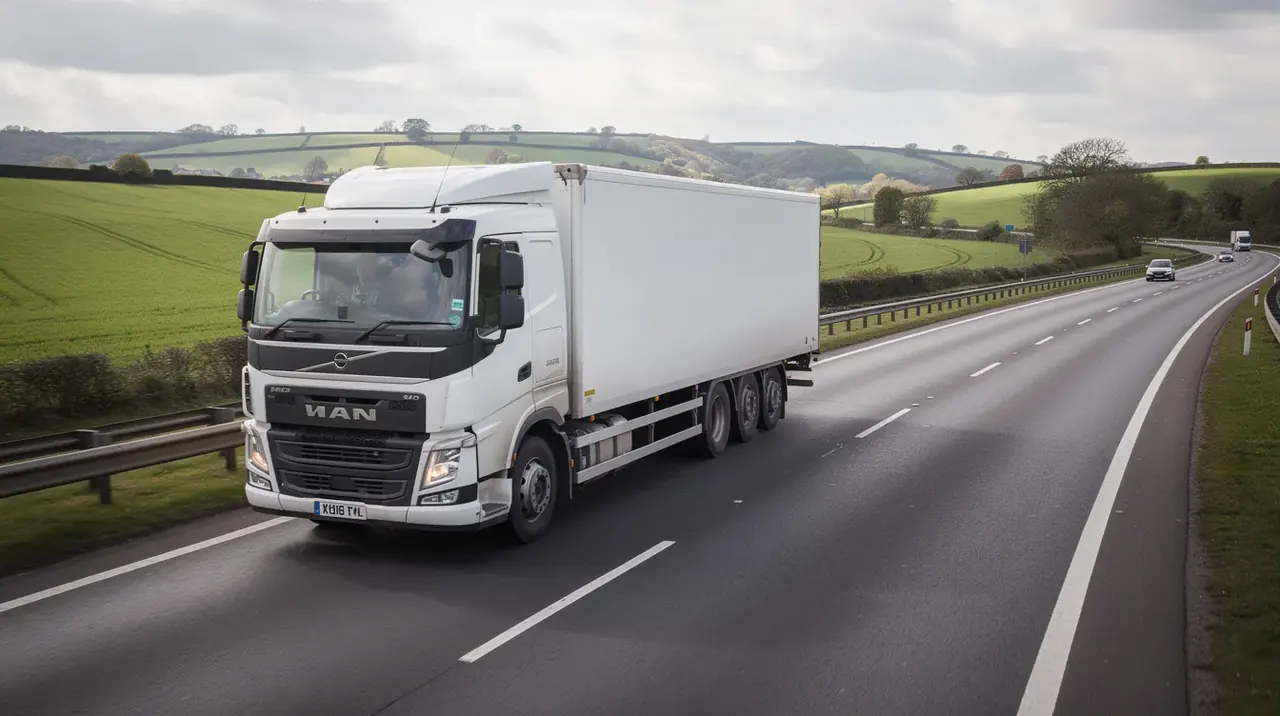
Always know where your lorries are
Real time vehicle tracking forms the foundational core of any telematics system. Each lorry tracker uses GNSS technology to send vehicle locations, speed and direction to a secure cloud platform every few seconds.
Fleet managers view this information on a live UK-centric map with colour-coded vehicle status:
Status | What it means |
|---|---|
Green (Driving) | Vehicle in motion |
Yellow (Idling) | Engine on, stationary |
Red (Stopped) | Engine off |
Grey (Offline) | No signal |
This complete visibility helps with ad-hoc job allocation by pinpointing the closest truck to a new task. You can verify whether vehicles are at RDCs, ports like Dover or Felixstowe, or customer depots on time.
Time-stamped breadcrumb trails let you replay exact locations and routes for any day in the last 12–36 months, depending on your data retention policy. This journey history supports everything from dispute resolution to route optimisation.
Stay ahead of lorry maintenance and compliance
Maintenance planning is critical for HGV and truck fleets under UK DVSA rules, where Operator Compliance Risk Score (OCRS) assessments penalise poor maintenance records.
Lorry trackers trigger automated service reminders based on:
Real odometer mileage from CAN-bus integration
Engine hours accumulated
Fixed calendar intervals (6-weekly inspections, annual MOTs, brake tests)
Where CAN-bus connectivity is enabled, systems detect diagnostic trouble codes (DTCs) such as engine warning lights, overheating or low AdBlue levels, issuing instant alerts to mitigate vehicle downtime.
Digital records of completed services, inspections and defect reports streamline preparation for DVSA audits and roadside checks. Fleets of 20+ lorries implementing mileage-based servicing have reduced unplanned breakdowns significantly, with predictive maintenance cutting repair costs and improving OCRS scores.
Improve driver performance and road safety
Lorry tracking data links directly to safer driving and fewer incidents on UK A-roads and motorways. Driver behaviour monitoring records specific risky actions including:
Speeding against posted limits
Harsh braking and sudden braking events
Harsh acceleration
Sharp cornering
Prolonged idling
The tracking system generates driver scorecards ranking individuals from safest to riskiest over a given week or month. These detailed reports enable targeted coaching sessions that can reduce collision rates and improve fuel economy by 5–10%.
Consistent safe-driving scores documented over time support negotiations for lower insurance premiums. Thatcham-approved tracking devices offer verified GPS data to insurers considering usage-based policies, helping you improve driver safety while protecting company assets.
Delight customers with accurate ETAs
Shippers now expect live delivery updates, particularly in sectors like retail, construction and pallet networks. Dispatchers use real-time lorry tracker positions plus live traffic feeds to provide accurate ETAs rather than guesswork.
This means giving customers time windows like 09:00–10:00 based on:
Current vehicle position
Driver rest breaks (Working Time Directive compliance)
Live traffic congestion data
Proactive communication examples include sending SMS or email notifications when a lorry leaves the depot or is 15–30 minutes away. The measurable outcome? Dramatically reduced inbound “where is my delivery?” calls.
This level of transparency drives customer satisfaction and supports improving customer service across delivery services operations.
Boost workflow efficiency and cut running costs
Fleet tracking delivers tangible cost savings beyond visibility. Reviewing journey history exposes inefficiencies like unnecessary detours, duplicate site visits and excessive time at service areas.
Trackers help tackle:
Excessive idling (fuel waste)
Weekend or out-of-hours misuse
Unauthorised usage of vehicles
With UK fuel prices having risen from around 140p/litre in 2021 to peaks over 190p/litre, telematics helps manage costs by controlling pence-per-mile spend. Before/after comparisons often show noticeable drops in monthly fuel costs after implementing anti-idling policies.
Better planning and improved utilisation can delay new vehicle purchases by extracting 10–15% more work from existing assets. That translates directly to the bottom line and helps you save money across operations.
Accurate live lorry tracking and trip data
A modern lorry tracker captures far more than basic dots on a map. The system logs precise tracking data including:
Driving time vs stop time
Distance per day
Complete routes driven for all your vehicles
This information validates timesheets, verifies detention charges at customer sites, and confirms arrival/departure times for key hubs. Finance teams can export trip data to Excel or PDF for analysing cost per route, lane or customer.
This granular vehicle usage information underpins most ROI calculations for telematics projects, proving the value of your investment.
Real-time traffic, HGV routing and customised planning
A good lorry tracker platform overlays live traffic conditions and planned roadworks on the fleet map. HGV-specific routing engines account for:
Vehicle height and weight restrictions
ADR hazardous goods status
Low bridges on rural B-roads
London LEZ/ULEZ clean air zones
Direct Vision Standard compliance
Planners can optimise routes and adjust mid-journey when incidents happen—accidents, closures or severe weather—pushing changes to in-cab navigation via integrated terminals.
Comparing planned routes against actual routes driven helps refine future planning and reduce wasted miles by 5–15% in logistics operations, boosting fleet performance.
Geofencing for enhanced security and control
Geofencing creates virtual boundaries around depots, ports, customer sites or restricted areas. Fleet managers receive instant alerts when a lorry enters or leaves key zones, or moves outside authorised hours.
Practical applications include:
Detecting potential vehicle theft or stolen vehicles
Identifying weekend personal trips (misuse)
Flagging unexpected movements at night
In a concrete scenario, a stolen lorry can be recovered quickly thanks to live tracking and geofence alarms, allowing you to locate vehicle positions immediately. This enhanced security protects high-value HGV assets.
Geofence events can also automatically trigger workflows, such as notifying warehouse teams when a vehicle arrives for loading—improving operational efficiency.
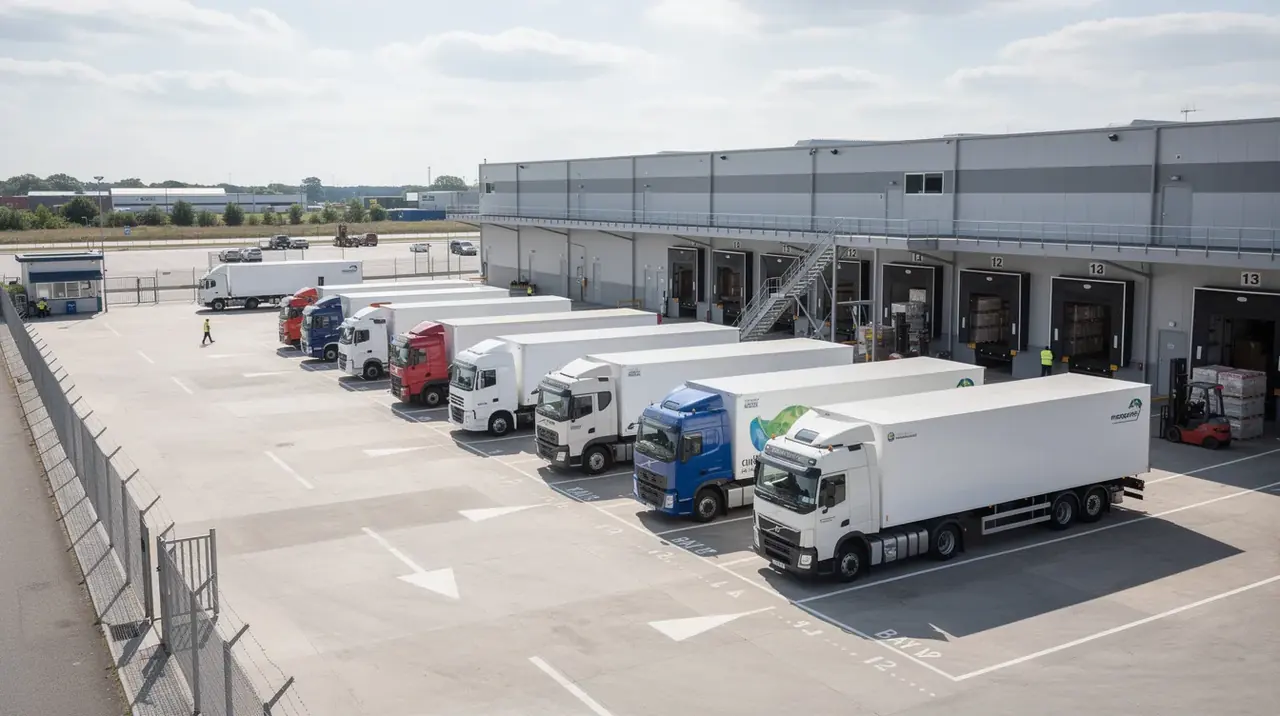
Reporting: turning lorry tracking data into decisions
Reports transform raw GPS data into actionable insights for operations, finance and safety teams. Core report types include:
Report Type | Purpose |
|---|---|
Utilisation | Hours on road vs parked |
Fuel and idling | Fuel usage and waste identification |
Speeding | Driving behaviour compliance |
Route adherence | Planned vs actual routes |
Customer visits | Arrival/departure verification |
Automated email reports can be scheduled daily, weekly or monthly. Cross-filter by vehicle group, depot, contract or driver to match how UK hauliers typically structure their P&L.
For example, reports might reveal a vehicle sat idle most of the week, justifying its removal from a route—a clear path to cost savings.
Digital logbooks and driver hours support
Lorry trackers simplify paperwork but do not replace legal tachograph requirements. Systems automatically capture trip start/end, mileage and purpose (business vs private) for logbook-style reports.
Integration with digital tachograph downloads helps monitor EU drivers’ hours and Working Time Directive compliance, providing full visibility of driver productivity.
This reduces admin effort compared with paper logbooks or manual spreadsheets, while digital records support audits, customer disputes and internal productivity reviews.
Crash detection and incident handling
Modern lorry trackers often include built-in accelerometers for impact detection. Sudden G-force events—collisions or heavy impacts—trigger instant alerts to fleet managers with exact locations and timestamps.
This GPS data helps coordinate emergency response and recovery. Combined with dashcam footage, crash data clarifies liability, speed at impact and driving behaviour before the event.
A clear process for reviewing incidents feeds back into driver training and risk management, supporting your commitment to driver safety.
How lorry tracking works (technical overview)
The basic architecture comprises an in-vehicle tracker, mobile network transmission, cloud software and user apps.
Each lorry has a hard-wired or OBD/CAN-connected GPS tracking device installed, typically powered by the vehicle battery with internal backup. The tracker reads GNSS location, speed, ignition status, and—where available—engine and fuel data via CAN-bus.
Data transmits via 4G/5G networks across the UK, with roaming SIMs maintaining connectivity for cross-border transport into Europe. The platform stores information in secure data centres, typically retaining historical trips for 12+ months.
How much does a lorry tracker cost?
Pricing depends on fleet size, contract length, hardware type and feature level. UK monthly subscriptions typically range from £10–30 per vehicle for a complete solution.
Pricing models:
Model | Characteristics |
|---|---|
Rental | No upfront hardware cost, longer contract term |
Purchase | Higher upfront (£200–500), lower ongoing fees |
Typical extras affecting price include dashcams, driver ID, CAN-bus reading, API access and installation complexity. Nationwide installation services are available for most vehicle types.
View lorry tracking as an investment repaid through savings in fuel costs, labour, fines and insurance over 6–18 months—delivering reliable service and measurable ROI.
Who uses lorry tracking in the UK?
Any business running HGVs or rigid lorries can benefit from GPS technology. Key sectors include:
General haulage
Pallet networks
Construction and aggregates
Chilled distribution
Waste and recycling
Utilities and service fleets (7.5t+ vehicles)
Small fleets (5–20 lorries) primarily use trackers for visibility, timesheets and theft protection. Larger fleets (50–500+ vehicles) focus on analytics, fuel benchmarking and integration with TMS/WMS systems.
Cross-border operators hauling into Ireland and mainland Europe rely on roaming SIMs for continuous truck tracking.
Choosing the right GPS lorry tracker for your fleet
Not all lorry trackers are equal. Selection should match your business priorities.
Key decision criteria:
Required data detail (location-only vs CAN-bus engine data)
Contract flexibility
Installation method (plug-and-play vs hard-wired)
Reporting depth
Hard-wired units suit heavy goods vehicles requiring precise tracking and CAN-bus integration, while plug-and-play devices offer faster deployment.
Questions to ask vendors:
What data retention policies apply?
Is UK-based support available?
What uptime SLA do you guarantee (aim for 99%+)?
Does the system work across different vehicle types?
Run a time-limited trial on a subset of vehicles before committing fleet-wide.
Integrating your lorry tracker with existing systems
Integration matters for transport planners, accounts and operations teams seeking fleet management efficiency.
Most modern telematics platforms expose open APIs to connect with transport management systems (TMS), routing tools and payroll software.
Practical use cases:
Auto-importing jobs into tracking platform
Pushing planned routes to in-cab units
Feeding actual miles and hours into payroll or billing
Plan integration with IT and operations, testing in a staging environment before going live. Successful integration reduces double-entry and increases tracking data value across your business.
Support, training and rollout for your lorry tracking project
Onboarding drivers and office staff properly determines deployment success. A support team can guide you through each phase.
Typical rollout sequence:
Pilot on 5–10 vehicles
Gather feedback and refine processes
Full installation plan with minimal disruption
Training sessions for dispatch and management
Online training resources, help guides and UK-based phone or email support should be available. Clear driver communication around tracking purposes—safety, compliance, efficiency—helps build trust.
A 40-vehicle fleet can typically complete installation and training within a few weeks, with minimal operational downtime.
Frequently asked questions about lorry trackers
Is tracking lorries legal in the UK? Yes. UK fleet tracking is legal under GDPR with proper consent and transparent policies explaining how data is used.
How does data privacy work? Data can be anonymised for reporting purposes, and access should be restricted to authorised personnel only.
Do trackers work in remote areas? GNSS multi-constellation technology (GPS, GLONASS, Galileo) provides coverage in rural areas. Satellite backup maintains positioning if mobile networks drop temporarily.
How do lorry trackers differ from smartphone apps? Hardware-based trackers provide always-on monitoring, CAN-bus data access and no battery drain—superior to smartphone app location sharing.
Can drivers access their own scores? Yes, drivers can typically view their performance via smartphone app, promoting self-improvement.
How long is trip data stored? Most providers retain data for 12+ months, often 36 months depending on contract terms.
How quickly can a tracker be installed? Professional installation on a standard 44-tonne artic or rigid lorry typically takes 1–2 hours.
Getting started with lorry tracking
Lorry tracking delivers measurable gains across visibility, safety, compliance and cost savings. Businesses benefit from reduced fuel consumption, improved driver behaviour and enhanced vehicle security within weeks of deployment.
Your adoption path:
Assess current needs and baseline metrics (fuel spend, incidents, late deliveries)
Shortlist providers offering features matching your priorities
Run a trial on a small group of lorries
Roll out fleet-wide based on proven results
Quick wins—including fuel and overtime savings—typically appear within the first 2–3 months. Many fleets achieve full ROI within 6–18 months through advanced features like route optimisation and driver behaviour monitoring.
Explore lorry tracker options tailored to UK HGV operations and regulatory requirements. With the right tracking solution, you gain complete visibility of your fleet and the data needed to drive operational efficiency across every mile.
Ready to improve visibility, compliance and safety across your fleet? Book a Fleetalyse demo or review our plans and pricing.