
Trailer tracking has become essential for UK and EU fleet operators looking to maintain control over their towed assets. In practical terms, it involves installing GPS trackers on HGV trailers, flatbeds, caravans, plant trailers, and horseboxes to monitor their location around the clock. These GPS devices transmit data through cellular networks to cloud platforms, giving you instant access to where every asset sits at any moment.
Related Fleetalyse guides: lorry trackers comparison | lorry tracker guide | HGV tracker guide. You can also explore our fleet tracking features, fleet analytics page, or book a demo.
Modern trailer tracking solutions from 2020 to 2026 combine GPS technology with sensors and software to deliver comprehensive visibility. Whether you manage a handful of touring trailers or coordinate hundreds of curtainsiders crossing between Felixstowe and Rotterdam, the system works the same way—providing real-time location data accessible through web dashboards or mobile apps.
The business case is straightforward. GPS trailer tracking systems provide real-time visibility of trailer locations, which enhances security and helps prevent theft by allowing operators to monitor for unauthorized movements. Fleets using these systems report fewer stolen trailers, less time hunting for misplaced assets in busy yards, and fewer costly empty runs between depots.
Productivity: Find idle trailers instantly and improve turnaround times
Uptime: Detect brake and tyre issues before they cause breakdowns
Cost control: Reduce fuel waste and right-size your fleet
Safety: Monitor axle loads, harsh braking, and ABS events
Compliance: Automate DVSA and EU brake performance reporting
Security: Combat theft with 24/7 tracking and geofence alerts
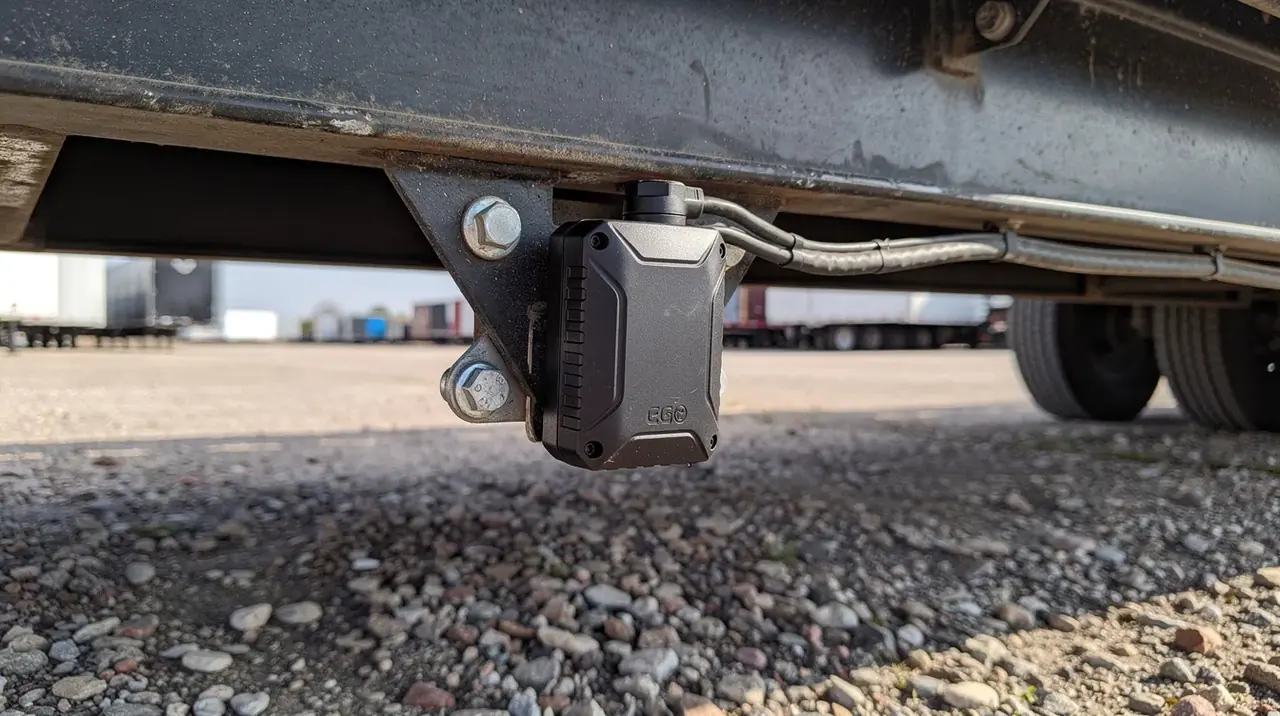
How trailer tracking works
The technology stack behind trailer tracking is surprisingly straightforward. A GPS tracking device fixed to your trailer captures satellite signals to determine location, then transmits that data via mobile networks like 4G LTE-M or NB-IoT to a cloud-based fleet management platform. You access the information through web dashboards or smartphone apps.
On a typical UK curtainsider in 2026, the tracker sends position updates every 30 to 120 seconds while the trailer moves. When parked, it shifts to a lower frequency—perhaps every few hours or only when motion is detected. This configurable approach matters because it directly affects battery life and data costs. Data from trackers is transmitted to a cloud-based fleet management platform through various networks such as 4G LTE-M and NB-IoT, ensuring coverage even in rural EU areas.
Simple systems offer basic GPS location pings, while advanced trailer tracking solutions integrate with EBS and TPMS to read brake events, axle load, and tyre pressure data. Here is how data flows through the system:
Trailer tracker captures GPS location and sensor inputs
Mobile network transmits compressed data packets
Telematics platform processes and stores information
Fleet management platform pushes insights to your dashboard
Real time alerts notify you of geofence breaches or unusual activity
Main types of trailers you can track
Almost any towed asset benefits from GPS tracking, but five categories dominate UK and EU operations in 2026 due to their volume, value, and vulnerability to theft or misuse.
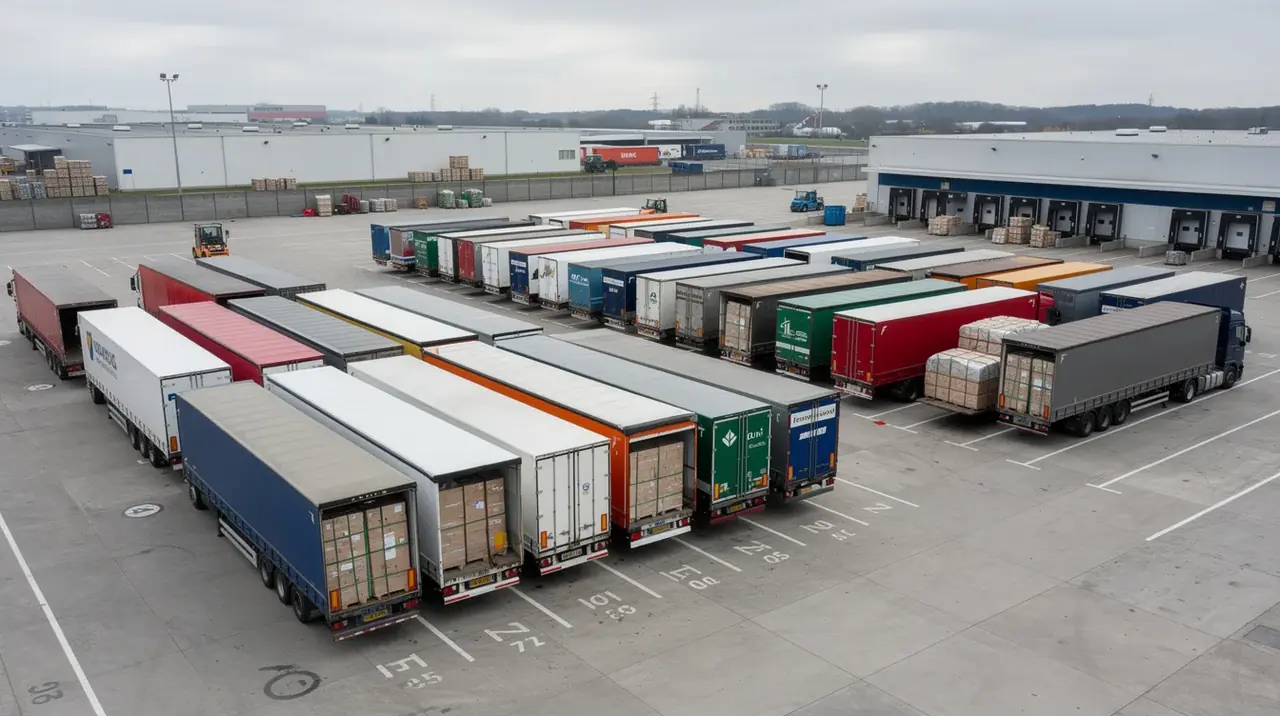
HGV box and curtainsider trailers: HGV trailers are commonly tracked by logistics companies to improve utilisation and maintain visibility across distribution networks. With over 500,000 registered in the UK alone, these assets frequently shuttle between ports like Hamburg and Rotterdam, making real time tracking essential for scheduling and compliance.
Flatbed trailers and low-loaders: Flatbed trailers, which transport equipment or materials, benefit from GPS tracking to monitor their location between worksites. Average theft losses reach £30,000 per incident, making security a primary concern.
Plant and equipment trailers: Plant and equipment trailers are tracked by construction companies to monitor the transportation of machinery between job sites. With assets often worth £100,000 or more, knowing where your trailer and cargo sit at any moment protects significant investments.
Caravans and touring trailers: Caravans and touring trailers are particularly vulnerable to theft when stored for long periods, making tracking devices essential for security. Motion alerts during winter storage have slashed theft claims by up to 80% for owners using GPS trailer tracker systems.
Horseboxes and livestock trailers: Horseboxes and livestock trailers are often equipped with tracking devices to enhance security for equestrian owners and agricultural businesses. Temperature monitoring capabilities also support animal welfare during transport.
Refrigerated reefer trailers: Critical for the £50 billion EU cold chain, these trailers integrate temperature sensors with location tracking to maintain compliance with HACCP regulations and prevent costly spoilage events.
Key features to look for in a trailer tracking system
Not all trailer trackers deliver equal value. When evaluating options in 2026, prioritise these features based on your operational requirements.
Battery life and power source: Battery life and power source are important considerations, as some trailers may not have a permanent power supply, making battery-powered trackers a viable option. Look for units offering 3 to 18 months on internal batteries, or consider wired options connecting to the trailer’s electrical system for permanent installations.
Durability and weather resistance: Durability and weather resistance are critical for trailer tracking devices, ensuring they can withstand harsh outdoor conditions and remain functional over time. Seek IP67 to IP69K ratings—IP69K units survive 80°C high-pressure washes at 100 bar.
Real time tracking and geofence alerts: Real-time tracking and alerts are essential features of trailer tracking devices, allowing operators to receive alerts about unexpected movements or status changes. Geofencing technology in GPS tracking allows operators to set virtual boundaries and receive alerts if a trailer moves outside these designated areas, improving security measures.
Installation options: Choose between magnetic covert placement taking minutes or professional wired installs into EBS lines requiring 1 to 2 hours. A rugged, weatherproof GPS tracking device provides precise location, velocity, and direction, often within a few feet.
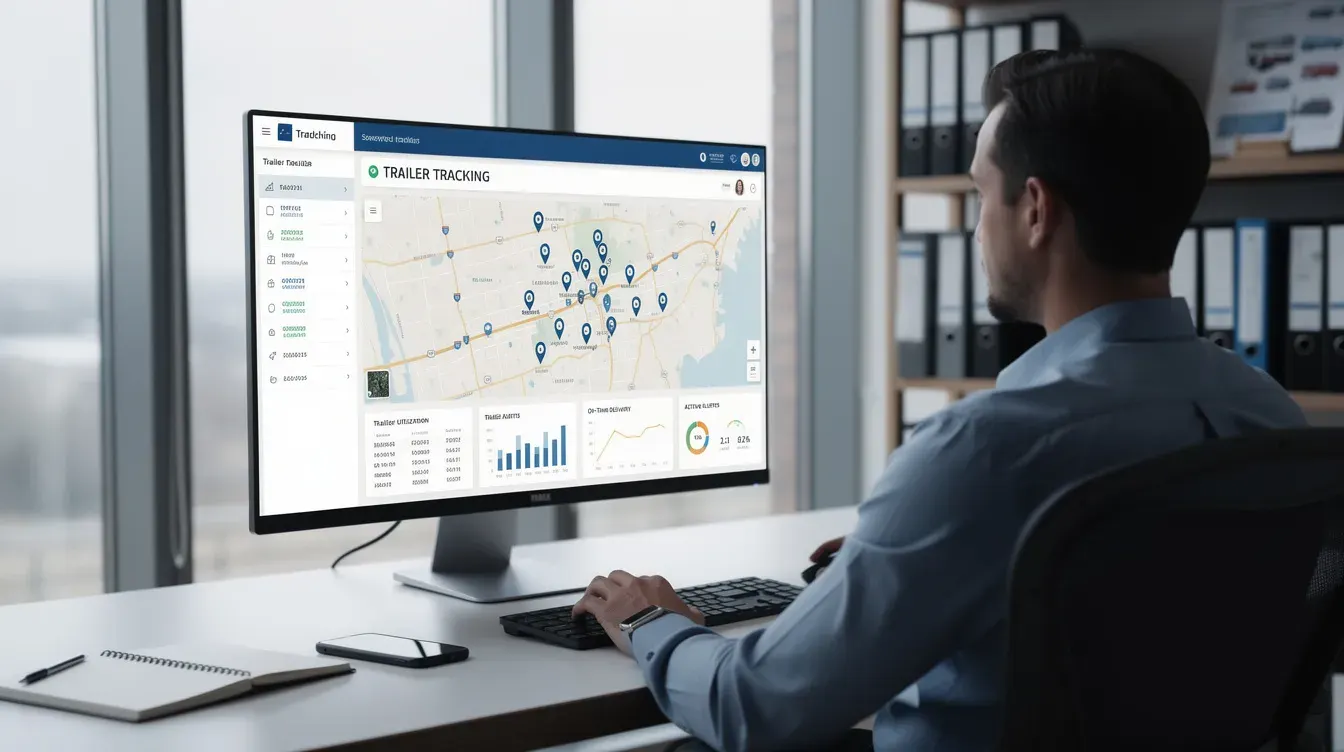
Software dashboards and reporting: Your platform should offer trip history playback, utilisation heatmaps, dwell time analytics, and maintenance reminders. Look for integration with Google Maps for familiar navigation.
Sensor support: Advanced systems include sensors for door status, temperature, tyre pressure monitoring, and cargo weight. Integrated sensors can monitor tyre pressure, brake performance, and mileage for predictive maintenance, helping you plan servicing before roadside breakdowns occur.
Practical benefits of trailer tracking for fleets
The business case for vehicle telematics extends beyond abstract visibility—it delivers measurable improvements that directly impact your bottom line.
Boost productivity: Tracking systems can reduce the time spent searching for trailers in large yards by up to 90%. Managers can identify idle trailers using tracking data to redeploy them to higher-demand areas, while dispatchers spend less time coordinating asset locations.
Increase uptime: Trailer tracking can help monitor brake systems and tyre conditions, contributing to fleet safety and maintenance efficiency. Early detection of issues prevents £500 MOT failures and roadside breakdowns that disrupt delivery schedules.
Cut costs: Companies frequently report fuel savings of 10% to 15% by optimizing routes and monitoring driver behaviour. Optimizing routes and identifying idling equipment reduces fuel consumption and decreases idle time, leading to lower operational costs. Accurate billing is possible by knowing how long a trailer sits at a customer site.
Elevate safety: Monitor axle weight to prevent overloading beyond EU limits, track harsh braking events exceeding 0.8G deceleration, and receive alerts for ABS activations or rollover stability warnings.
Strengthen security: The use of GPS tracking devices can significantly reduce the risk of trailer theft, as they provide accurate location data that aids in the recovery of stolen assets. Insurers often offer discounts between 15% and 25% for fleets equipped with tracking devices due to reduced risk.
Simplify compliance: Automated record-keeping simplifies audits for financial or safety regulations by logging mileage, hours of service, and maintenance history. These systems can send alerts for occurrences like unanticipated movement or extended inactive periods, enhancing security and lowering operational costs.
Choosing the right trailer tracking device and platform
The ideal tracking solution depends on your specific circumstances—trailer types, power availability, fleet size, and required data depth all influence the decision.
Asset profile: Assess your mix of powered and unpowered trailers, whether they already have EBS or TPMS fitted, and total unit count. A UK haulier running 150 trailers between Manchester and London has different needs than an equestrian business with four horseboxes.
Tracking frequency: Determine how often you need location and sensor updates. Security-focused operations may want 30-second intervals during motion, while basic asset monitoring might function well with 5-minute updates at lower cost.
Installation model: Wired connections to EBS and power suit permanent installs on owned assets. Battery-powered magnetic devices work better for rented trailers or covert theft recovery applications.
Software capabilities: Prioritise live maps, historical playback covering 6 to 24 months, utilisation reporting by depot or customer, and custom alert configurations. Integration with yard management software provides a comprehensive view of asset movement from gate to dock.
System integration: Check API availability for connecting to your existing TMS, ERP, or maintenance systems. Solutions like Bridgestone Fleetcare offer vehicle tracking capabilities alongside tyre management.
Total cost of ownership: Hardware typically ranges from £50 to £300 per tracker, with monthly subscriptions between £5 and £25 per unit. Installation adds £50 to £150 for professional fits. Most fleets achieve ROI within 9 to 12 months through efficiency gains. Trailer tracking systems provide real-time visibility of the status, location, and movements of each trailer in a fleet, helping operators optimise utilisation and reduce unnecessary investments.
Frequently asked questions about tracking trailers
Fleet managers and trailer owners in 2026 frequently raise these questions when evaluating tracking solutions.
What is a trailer tracking device? A rugged GPS unit fixed to a trailer chassis or frame, designed to withstand weather, pressure washing, and vibration while transmitting location data to cloud platforms.
How does trailer tracking help prevent theft? Real time location and geofences trigger instant alerts if a trailer moves out of hours or leaves a secure yard. Statistics show 95% recovery rates when action is taken within the first hour.
Can unpowered trailers be tracked? Yes, using long-life internal batteries lasting 3 to 18 months or solar-rechargeable units. No connection to the trailer’s electrical system is required.
Who benefits most from trailer tracking? Transport and logistics companies, construction and plant hire firms, caravan owners, horse owners, and refrigerated fleets see the fastest returns on investment.
How difficult is installation? Ranges from simple magnetic placement taking minutes to professional hard-wired installs into EBS systems requiring 1 to 2 hours. Many operators install basic units themselves.
What data retention is typical? Many platforms store detailed location history and event data for 6 to 24 months, providing proof for audits and dispute resolution with customers.
Does vehicle tracking reduce insurance costs? Yes, insurers recognise lower risk profiles and typically offer premium discounts for fleets using approved tracking devices.
Whether you operate a small collection of touring trailers or manage a sprawling EU logistics network, investing in the right tracking solution transforms how you secure, deploy, and maintain your assets. Start by assessing your current fleet profile against the key features outlined above, then request demonstrations from providers that match your operational requirements.
Ready to improve visibility, compliance and safety across your fleet? Book a Fleetalyse demo or review our plans and pricing.