
Your operator licence is the most valuable asset your business owns, yet manual tachograph downloads and inefficient routing put it at risk every single day. For many UK operators, the anxiety of a DVSA audit is a constant shadow over daily operations. You likely feel the frustration of wasting hours on paperwork that should be automated, whilst watching fuel costs climb due to avoidable idling and poor routing choices.
Choosing the right multi-vehicle GPS tracking platform for SMEs is the most effective way to reclaim your time and protect your business. It's about moving beyond simple tracking to a system that handles the heavy lifting of compliance for you. This 2026 guide explores how to centralise your fleet management, ensure strict adherence to DVSA standards, and cut your operational spend. We'll preview the current regulatory landscape, including the latest Smart Tachograph 2 requirements, and show you how real-time asset visibility can transform your administrative efficiency.
Key Takeaways
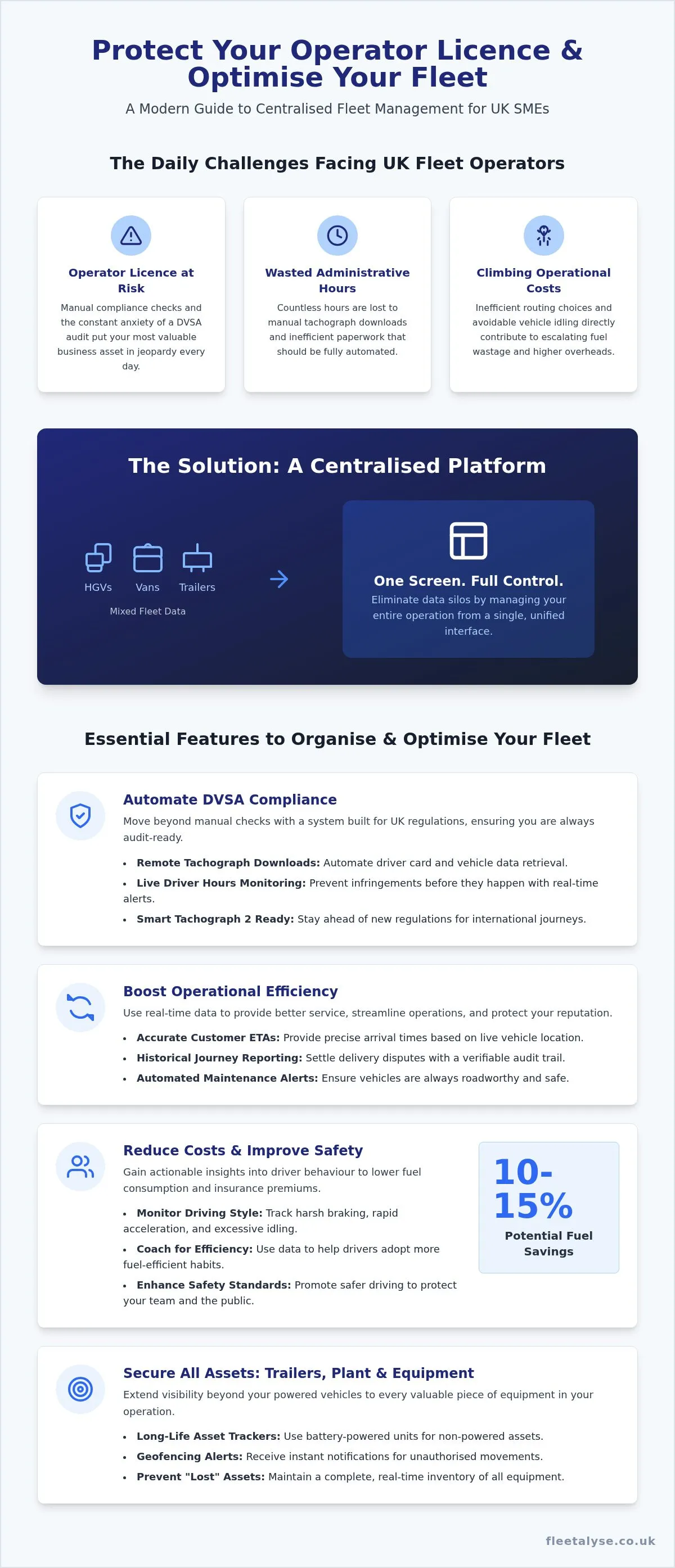
- Centralise your mixed fleet of vans, HGVs, and trailers onto a single multi-vehicle GPS tracking platform for SMEs to eliminate data silos and simplify management.
- Automate your remote tachograph downloads and monitor live driver hours to ensure your business remains fully DVSA compliant without manual intervention.
- Optimise your operational efficiency by using real-time location data to provide accurate customer ETAs whilst reducing fuel wastage from inefficient routing.
- Identify the specific data needs of your fleet by auditing your vehicles and defining clear goals for security, fuel savings, or compliance.
- Choose a pragmatic UK-based partner that offers transparent pricing and focuses on the practical tools needed to protect your operator licence.
What is a Multi-Vehicle GPS Tracking Platform for SMEs?
A dedicated multi-vehicle GPS tracking platform for SMEs acts as a centralised software hub. It's an engine that aggregates data from different hardware types into one screen. By understanding what is a vehicle tracking system in a commercial context, you can see it's far more than a simple map. It's a tool that provides a single point of truth for your entire operation. It moves beyond location pings to offer deep diagnostic insights and essential compliance data.
Many regional operators struggle with a "mixed fleet" challenge. You might manage vans for local deliveries, HGVs for long-haul transport, and trailers for storage. Managing these through separate apps is inefficient and leads to data silos. In 2026, digitising your fleet asset management is a necessity. With the ZEV mandate requiring 24% of new van sales to be zero-emission and new Smart Tachograph 2 rules for international LCV journeys, manual systems can't keep up. Investing in a robust multi-vehicle GPS tracking platform for SMEs is no longer optional; it's a requirement for survival.
The Core Components of an SME Tracking System
A professional system relies on three interconnected parts to function reliably across the UK. First is the hardware. You might use hardwired trackers for HGVs to ensure security, or plug-and-play devices for vans to allow flexibility. Second is connectivity. The platform uses 4G and 5G networks to ensure data flows in real time, even in remote areas. Finally, the software interface allows managers to organise routes and monitor driver behaviour from a desktop or mobile device.
- Hardwired Trackers: Permanent installations for high-value assets.
- Asset Trackers: Battery-powered units for trailers and non-powered equipment.
- Real-Time Data: Instant updates that allow for reactive scheduling.
Distinguishing Between Consumer and Commercial Platforms
Basic car trackers designed for theft recovery fail the needs of a commercial haulage business. They lack the depth required for regulatory adherence. A commercial platform like Fleetalyse provides multi-user access with tiered permission levels. This means your transport manager can see the full fleet whilst a depot supervisor only sees their local vehicles. Scalability is also vital. Your platform should grow with you as you add more vehicles, without requiring a complete system overhaul. Commercial systems prioritise functional utility and long-term reliability over flashy, unnecessary features.
Essential Features to Organise and Optimise Your Fleet
A multi-vehicle GPS tracking platform for SMEs must do more than just show dots on a map. It needs to provide actionable intelligence that translates into lower overheads and better service. Real-time location tracking allows you to manage customer expectations with precise ETAs, turning a standard delivery into a premium service. Geofencing adds a layer of security and operational clarity. It alerts you the moment an asset leaves a designated area, such as a depot or customer site, preventing unauthorised use or theft.
Historical journey reporting is your best defence against delivery disputes. It provides a clear audit trail of where a vehicle was at any given time, protecting your reputation. Meanwhile, maintenance alerts take the guesswork out of fleet safety. These automated reminders ensure every vehicle stays roadworthy, helping you adhere to the official UK tachograph rules and wider safety standards. To start building a more efficient fleet today, you can view our available tracking solutions.
Asset Diversity: Tracking Trailers and Plant
SMEs often manage a mix of powered and non-powered assets. Trailers and plant machinery require specific hardware, often featuring long-life batteries that can last years without a recharge. Centralising this data prevents assets from being "lost" in third-party yards. It ensures you know exactly where every trailer is located without making a single phone call. By integrating trailer and tractor data into a single dashboard, you gain a holistic view of your entire operation.
Driver Behaviour and Safety Management
Monitoring driving style is a direct way to reduce fuel wastage. Tracking harsh braking, rapid acceleration, and excessive idling helps you coach drivers toward more efficient habits. According to industry data, monitoring behaviour can lead to fuel savings of 10-15%. Safety is equally critical. Using this data to improve driving standards can eventually help lower insurance premiums. However, you must respect privacy. Ensure your system includes a privacy switch for personal use to remain compliant with UK GDPR and the Data Protection Act 2018. This balance of oversight and privacy is essential for maintaining a positive relationship with your team whilst protecting your business interests.
The Compliance Advantage: Integrating Tachograph Data
Standard GPS tracking shows where a vehicle is, but for HGV and PSV operators, this is only half the story. Compliance is the other half. Relying on location data alone leaves your business vulnerable during a DVSA audit. A comprehensive multi-vehicle GPS tracking platform for SMEs must bridge this gap. It does this by integrating tachograph data directly into your management dashboard. This creates a single point of truth for both operational efficiency and legal adherence.
Your Operator Licence is the foundation of your business. Automated data collection removes the risk of human error associated with manual downloads. It ensures you have a continuous, tamper-proof record of driver activity. This proactive approach protects your licence and simplifies the process of proving compliance to authorities. As of July 2026, this is even more critical for those operating light commercial vehicles (LCVs) between 2.5 and 3.5 tonnes on international journeys, as these now require Smart Tachograph 2 technology. Staying ahead of these shifting regulations is easier when your tracking platform handles the technical heavy lifting.
Remote Tachograph Downloads Explained
Manual downloads are a significant drain on time and resources. Drivers often have to deviate from their planned routes just to return to the operating centre for a data dump. This wastes fuel and reduces vehicle uptime. Remote tachograph downloads eliminate this necessity by pulling data wirelessly whilst the vehicle is on the road. You can automate the schedule to ensure you never miss the 28-day driver card or 90-day vehicle unit deadlines. Remote downloads act as a digital bridge; they feed raw data directly into your chosen analysis software for immediate reporting and infringement identification.
Live Driver Hours: Real-Time Compliance
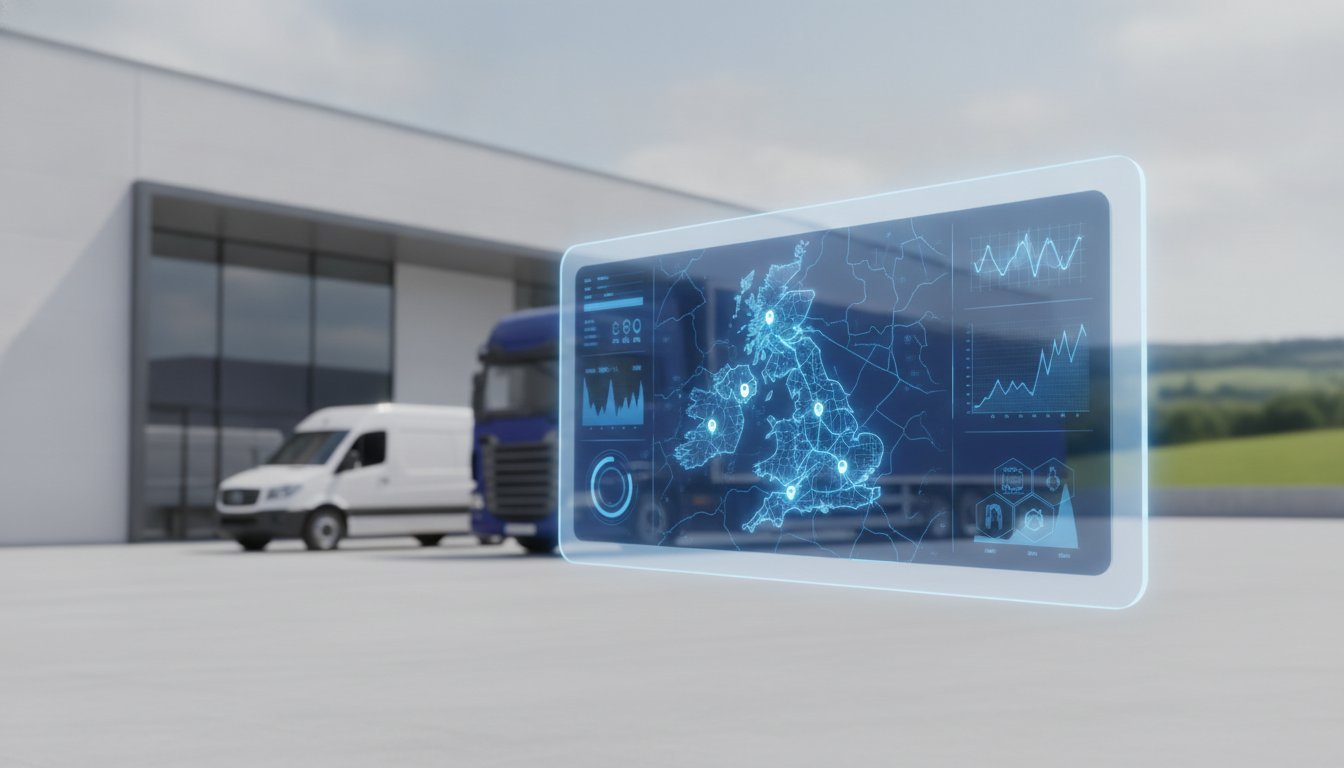
Knowing where a driver is matters, but knowing how long they can legally stay there is more important for your bottom line. Live driver hours provide real-time visibility of remaining driving time and mandatory rest periods. This allows your transport office to make dispatch decisions based on legal driver availability rather than guesswork. It helps prevent accidental infringements before they occur, which is far more effective than dealing with them after the fact. By removing the need for manual logbook checks and constant phone calls to drivers, you significantly reduce the administrative burden. This real-time compliance ensures your fleet stays productive whilst remaining strictly within the law. For a practical solution to these compliance challenges, Fleetalyse offers specialised tools designed for the UK market.
Choosing and Implementing Your Tracking Platform
Implementing a multi-vehicle GPS tracking platform for SMEs requires a structured approach to ensure a return on investment. Start by auditing your current fleet. Not every asset requires the same level of data. Whilst your HGVs need full tachograph integration, your trailers might only require simple location updates once a day. Defining your primary goals early prevents you from paying for features you'll never use. Focus on whether your priority is asset security, fuel reduction, or regulatory compliance.
Transparency regarding costs is essential for a healthy partnership. Beyond the initial hardware, consider recurring subscription fees and potential data roaming charges for vehicles crossing into Europe. Roaming is particularly relevant given the 2026 Smart Tachograph 2 requirements for international LCV journeys mentioned previously. Finally, consider your drivers. Onboarding the team requires clear communication. Explain that tracking is a tool for their protection, proving they were not at fault in accidents and ensuring they stay within legal driving hours.
Evaluating Platform Security and Reliability
Data security is a legal obligation under UK GDPR. Ensure your chosen provider hosts data securely and has a clear policy on data retention. Reliability is equally vital. Look for platforms with high uptime guarantees and accessible, UK-based technical support. Managers are rarely tied to a desk; therefore, a high-quality mobile app is a non-negotiable requirement. It allows you to monitor behaviour and check live driver hours whilst you are away from the office, providing the flexibility an SME owner needs.
The Installation Process
Organising professional installation is the best way to protect your vehicle warranties. DIY attempts can lead to electrical issues or poor signal strength, especially amongst high-density urban areas where buildings can interfere with GPS. To minimise downtime, schedule installations during natural fleet lulls or weekends. Once the hardware is fitted, conduct thorough testing to ensure the data flow is consistent across all asset types. To secure the right hardware for your fleet, you can order your tracking systems online.
Why Fleetalyse is the Pragmatic Choice for UK SMEs
Fleetalyse is not a distant, global software provider. We are a UK-based specialist built specifically for the rigours of the domestic transport industry. Our team understands that for a regional operator, a multi-vehicle GPS tracking platform for SMEs must be more than a theoretical data collection tool. It must be a reliable ally that values your time and resources. We prioritise functional utility over flashy, unnecessary features that only serve to complicate your daily routine.
Transparency is at the heart of our service. In a sector where hidden complexities and opaque contracts are common pain points, we project an image of honesty and fairness. You get clear, upfront details regarding our software and hardware capabilities. This straightforward approach allows you to make a frictionless decision based on operational clarity rather than marketing hype. Our experts speak directly to the practical needs of operators, ensuring you have the right tools for HGV, van, and trailer management.
Our platform provides a seamless intersection of GPS tracking and tachograph compliance. By choosing a partner that specialises in both, you eliminate the friction of managing multiple systems. You gain a holistic view of your fleet, from live driver hours to specialist asset tracking. This integration is designed to move you quickly from identifying an operational problem to implementing a transparently detailed solution. It is an efficient way to manage a mixed fleet whilst keeping your overheads under control.
Compliance-First Telematics
We prioritise the data that keeps you audit-ready. Fleetalyse focuses on regulatory adherence because we understand the weight of responsibility that comes with an operator licence. Having a single partner for both tracking and tachograph analysis reduces your administrative overhead significantly. It ensures your records are consistent, accurate, and easily accessible during a DVSA inspection. This commitment to data integrity supports the long-term growth of UK logistics by providing operators with the tools they need to stay competitive and compliant.
Getting Started with Your Fleet Transformation
Transforming your fleet management doesn't have to be a disruptive process. You can request a tailored demonstration of our platform to see how these features apply to your specific vehicle mix. If you are currently using a generic provider, we can guide you through the process of switching to a specialist system built for UK regulations. Our expert support team is always available to discuss your unique industry challenges and help you optimise your operations. We act as an active catalyst for your operational improvement, providing the reliability you need to focus on your core business.
Organise your fleet tracking with Fleetalyse today and secure the future of your transport business.
Secure Your Fleet’s Future with Smarter Tracking
Managing a mixed fleet in 2026 demands more than just basic location pings. You need a system that handles the specific rigours of UK transport regulations whilst providing real-time asset visibility across every vehicle type. By centralising your operations, you eliminate administrative bottlenecks and ensure your business remains audit-ready at all times. Choosing a dedicated multi-vehicle GPS tracking platform for SMEs allows you to stop reacting to problems and start predicting them.
Fleetalyse stands as your pragmatic partner, offering specialist UK compliance knowledge and acting as remote tachograph download experts. We focus on the practical tools that protect your operator licence and reduce your daily stress. It's time to move beyond generic software and invest in a solution built for your specific industry challenges. You can streamline your SME fleet management with Fleetalyse today. Take the first step toward a more efficient, compliant, and profitable future for your business.
Frequently Asked Questions
Is multi-vehicle GPS tracking legal for UK small businesses?
Yes, tracking is legal provided you comply with UK GDPR and the Data Protection Act 2018. You must have a legitimate business reason, such as fleet security or route optimisation. Employers must also provide a privacy switch for vehicles used for personal mileage to respect the Human Rights Act 1998. Tracking employees covertly is illegal and could lead to significant legal penalties for your business.
Can I track trailers and HGVs on the same platform?
Yes, a professional multi-vehicle GPS tracking platform for SMEs is designed to aggregate data from diverse asset types. You can view your HGV tractor units alongside battery-powered trailer trackers in a single dashboard. This centralisation eliminates the need for multiple apps and provides a holistic view of your entire operation. It's particularly useful for preventing assets from being left behind at third-party delivery sites.
How does GPS tracking help with DVSA compliance?
It provides a digital audit trail that supports your primary tachograph records. By integrating remote tachograph downloads, the platform automates the collection of driver card and vehicle unit data. This ensures you never miss the 28-day or 90-day deadlines. It also allows for live monitoring of driver hours, which helps transport managers prevent infringements before they occur, protecting your Operator Licence and reducing administrative stress.
Will a tracking platform help me save on fuel costs?
Yes, by identifying and reducing inefficient driving habits. The software monitors excessive idling, harsh acceleration, and speeding, which are primary drivers of high fuel consumption. Industry data indicates that coaching drivers based on these telematics reports can lead to fuel savings of 10-15%. Better route planning also ensures your vehicles don't travel unnecessary miles, which directly lowers your monthly fuel spend and reduces vehicle wear.
Do I need to inform my drivers if I install GPS trackers?
Yes, you have a legal obligation to inform employees in writing before tracking begins. You should provide a clear policy explaining what data is being collected and why it's necessary for business operations. Transparency helps maintain driver morale and ensures your business remains compliant with privacy laws. Most operators find that drivers are more accepting when the safety and compliance benefits are clearly explained and documented.
What happens if a vehicle travels outside of the UK?
Most commercial trackers continue to function seamlessly across Europe through international data roaming. It's vital to check your subscription terms to ensure roaming is included without hidden fees. As of July 2026, LCVs between 2.5 and 3.5 tonnes on international hire and reward journeys must use a Smart Tachograph 2. A robust platform will handle this cross-border data flow automatically, ensuring you remain compliant whilst abroad.
Can the tracking platform integrate with my existing tacho analysis software?
Yes, specialist systems are built to integrate with major tachograph analysis providers. The platform acts as a bridge, pulling raw data from the vehicle remotely and pushing it directly into your analysis software. This automation removes the administrative burden of manual uploads and ensures your compliance reporting is always up to date. It creates a frictionless workflow for transport managers, allowing them to focus on core operational tasks.
How much data does a GPS tracker use per month?
Most standard GPS trackers use between 5MB and 20MB of data per month, depending on how frequently they ping the server. High-frequency pings or additional features like dashcam video uploads will increase this usage significantly. A professional multi-vehicle GPS tracking platform for SMEs will manage this data flow efficiently to keep costs predictable. Always verify the data limits in your contract to avoid unexpected overage charges during busy periods.
Frequently asked questions
Is multi-vehicle GPS tracking legal for UK small businesses?
Yes, tracking is legal provided you comply with UK GDPR and the Data Protection Act 2018. You must have a legitimate business reason, such as fleet security or route optimisation. Employers must also provide a privacy switch for vehicles used for personal mileage to respect the Human Rights Act 1998. Tracking employees covertly is illegal and could lead to significant legal penalties for your business.
Can I track trailers and HGVs on the same platform?
Yes, a professional multi-vehicle GPS tracking platform for SMEs is designed to aggregate data from diverse asset types. You can view your HGV tractor units alongside battery-powered trailer trackers in a single dashboard. This centralisation eliminates the need for multiple apps and provides a holistic view of your entire operation. It's particularly useful for preventing assets from being left behind at third-party delivery sites.
How does GPS tracking help with DVSA compliance?
It provides a digital audit trail that supports your primary tachograph records. By integrating remote tachograph downloads, the platform automates the collection of driver card and vehicle unit data. This ensures you never miss the 28-day or 90-day deadlines. It also allows for live monitoring of driver hours, which helps transport managers prevent infringements before they occur, protecting your Operator Licence and reducing administrative stress.
Will a tracking platform help me save on fuel costs?
Yes, by identifying and reducing inefficient driving habits. The software monitors excessive idling, harsh acceleration, and speeding, which are primary drivers of high fuel consumption. Industry data indicates that coaching drivers based on these telematics reports can lead to fuel savings of 10-15%. Better route planning also ensures your vehicles don't travel unnecessary miles, which directly lowers your monthly fuel spend and reduces vehicle wear.
Do I need to inform my drivers if I install GPS trackers?
Yes, you have a legal obligation to inform employees in writing before tracking begins. You should provide a clear policy explaining what data is being collected and why it's necessary for business operations. Transparency helps maintain driver morale and ensures your business remains compliant with privacy laws. Most operators find that drivers are more accepting when the safety and compliance benefits are clearly explained and documented.
What happens if a vehicle travels outside of the UK?
Most commercial trackers continue to function seamlessly across Europe through international data roaming. It's vital to check your subscription terms to ensure roaming is included without hidden fees. As of July 2026, LCVs between 2.5 and 3.5 tonnes on international hire and reward journeys must use a Smart Tachograph 2. A robust platform will handle this cross-border data flow automatically, ensuring you remain compliant whilst abroad.
Can the tracking platform integrate with my existing tacho analysis software?
Yes, specialist systems are built to integrate with major tachograph analysis providers. The platform acts as a bridge, pulling raw data from the vehicle remotely and pushing it directly into your analysis software. This automation removes the administrative burden of manual uploads and ensures your compliance reporting is always up to date. It creates a frictionless workflow for transport managers, allowing them to focus on core operational tasks.
How much data does a GPS tracker use per month?
Most standard GPS trackers use between 5MB and 20MB of data per month, depending on how frequently they ping the server. High-frequency pings or additional features like dashcam video uploads will increase this usage significantly. A professional multi-vehicle GPS tracking platform for SMEs will manage this data flow efficiently to keep costs predictable. Always verify the data limits in your contract to avoid unexpected overage charges during busy periods.