
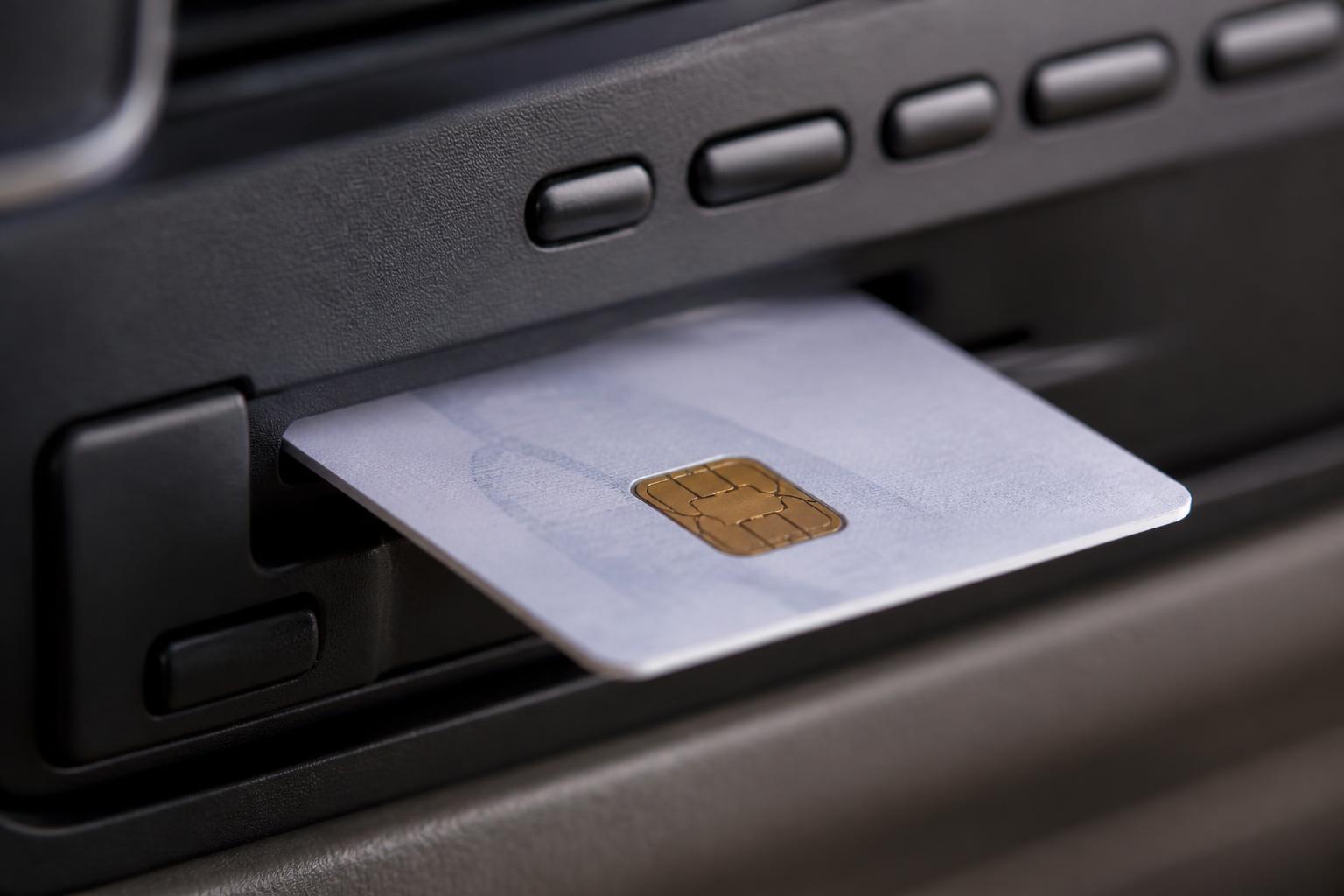
A digital Tachograph card renewal is simple if it is handled early, checked properly, and tracked like any other compliance deadline. The problems start when renewal is left until the last few weeks, details on the application do not match DVLA records, or nobody in the transport office has a clear view of which cards are due next.
For operators, this is not just an admin task for the driver. An expired driver card can take a vehicle off planned work, create avoidable disruption to driver hours records, and force last minute rescheduling across the fleet. The safest approach is to treat card expiry dates the same way we treat inspections, downloads, and licence checks, with clear visibility, reminders, and ownership.
When a digital Tachograph card needs renewing
In the UK, a digital driver Tachograph card is normally valid for five years. Any driver who operates a vehicle fitted with a digital Tachograph needs a valid card to record their activities. For most fleets, that means HGV drivers, but the same issue can affect mixed operations where some vehicles fall within scope and others do not.
The key date is the expiry date printed on the card. Drivers and operators should not wait for that date to get close before acting. DVLA allows renewal before the card expires, and that is the practical route if you want to avoid downtime. A card that expires in the middle of a busy week, a seasonal peak, or a period of holiday cover creates a risk that is entirely avoidable.
It is also worth being clear about who needs to watch this date. The driver applies for their own card, but the operator carries the operational risk if the card is not renewed in time. In practice, renewal works best when both sides are involved. The driver confirms their personal details and submits the application. The transport office keeps visibility of expiry dates and follows up well before the deadline.
Leaving it late causes more than one problem. First, the driver may not receive the new card before the old one expires. Second, if there is an issue with the application, there is no time to correct it. Third, planners may only discover the problem when the driver is due out on a job. At that point, options are limited and usually expensive in time, resourcing, or missed work.
For UK operators, this is one area where a diary entry is not really enough. A single reminder can be missed. A spreadsheet can go out of date. If you manage multiple depots, agency usage, or owner-drivers working under your operator model, card dates need to be visible in the same way as the rest of your compliance data.
How the DVLA renewal process works
In the UK, driver Tachograph cards are issued by DVLA. Renewal is a driver card process, not something handled through the vehicle unit or the operator card. Drivers usually renew by applying to DVLA before the existing card expires.
The practical process is straightforward, but it needs accurate information. The driver completes the renewal application using their current details as held by DVLA. That means name, address, date of birth, and driving licence details must all line up. If a driver has moved house and not updated their driving licence record, that can create problems before the card is even issued.
Once the application is submitted and accepted, DVLA processes the renewal and sends the new card out. The existing card remains relevant until its expiry date, so the timing matters. Applying early gives enough room for processing and delivery without leaving the driver exposed if there is a delay.
When the new card arrives, there are a few checks we always recommend making straight away:
- Confirm the driver’s name is correct
- Check the card number and expiry date
- Check the card has arrived in good condition and is readable
- Make sure the driver knows when to start using the new card
- Keep the old and new card dates clear in your records
Operators should also update their internal systems as soon as the replacement arrives. If your compliance process still relies on someone remembering to amend a spreadsheet, this is exactly the kind of detail that gets missed. A central platform is much easier to manage when you are also monitoring downloads, infringements, and vehicle activity in one place. That is one reason many fleets move toward one platform for tracking, Tachograph and driver hours, instead of splitting core compliance tasks across separate tools.
The UK process is specific to DVLA. Operators who also work with drivers licensed in other countries should be careful not to assume the same issuing authority, timescales, or renewal route applies. EU member states issue driver cards through their own national authorities, and the process can differ. For a UK based fleet, the main point is simple, know which authority issued the card and do not treat all cards as if they follow the DVLA route.
What can delay a renewal
Most renewal delays come from ordinary admin errors rather than anything unusual. The good news is that they are usually preventable.
A common issue is mismatched personal details. If the address on the application does not match DVLA records, or the driver has changed name and not updated supporting documents, the application can be delayed or rejected. The same applies if the driving licence record is not current. Before starting the renewal, the driver should check that their licence details are up to date and that the application reflects them exactly.
Another common problem is timing. Drivers who wait until the last minute leave no margin for processing, post, returned applications, or missing information. Even where the process itself is quick, the risk is not worth taking. A renewal handled in good time is routine. A renewal started close to expiry becomes a planning problem.
Cards can also be delayed if the application is incomplete, if supporting information is unclear, or if the card is sent to an old address. In a busy fleet, these are the cases that cause the most frustration because the issue often has nothing to do with the vehicle, route, or workload. It is simply a breakdown in basic record keeping.
For operators, the best checks are practical:
- Review driver card expiry dates well in advance
- Prompt drivers early, not at the point of expiry
- Ask drivers to confirm their current address and licence details
- Record when the renewal was submitted
- Follow up if the new card has not arrived within the expected time
- Update your transport records as soon as the card is received
This is also where better Tachograph visibility helps. If your team is already chasing manual downloads, checking card dates separately, and piecing together driver information from emails and paper files, renewals are more likely to slip. Bringing card activity and compliance reporting together reduces that admin drag. Our remote Tachograph tools for fleet compliance visibility are built for exactly that kind of day to day control, especially where transport teams need a clearer view across multiple vehicles and drivers.
What happens if the card expires before the new one arrives?
If a driver’s card expires before the new one arrives, the immediate issue is that the driver no longer has a valid card to use in a digital Tachograph. That affects whether they can legally carry out work that requires one, and it creates an operational decision for the operator straight away.
This is not the point to improvise. If the card has expired, planners need to know immediately. The driver should not simply continue as though the renewal is in progress and everything is covered. The fleet needs to assess whether the driver can be assigned other work, whether another driver needs to be allocated, and what records need to be retained.
From a compliance point of view, expired cards create a chain reaction. Driver activity records become harder to manage. Download routines are interrupted. Auditable continuity becomes more difficult. If the issue is discovered late, the transport office may also have to explain why a known expiry date was not controlled.
There is also a practical knock on effect on customer service. One expired card can mean a vehicle misses a departure slot, a delivery is reassigned, or a route is replanned at short notice. On paper it looks like one driver admin issue. In reality it can affect utilisation across the whole day.
Where a card is lost, stolen, malfunctioning, or expired, the record keeping rules and what a driver may do in the short term are not identical in every case, so operators should be careful not to treat all scenarios as the same. If you run work that crosses between the UK and EU, the broad framework is similar, but local enforcement expectations and supporting evidence still matter. The safest position is always to avoid reaching expiry in the first place.
For transport teams, this is another reason to move away from reactive administration. If card dates sit in a spreadsheet that only one person updates, or if reminders live in individual inboxes, the risk is built into the process. We see the strongest control where card dates, vehicle activity, and compliance reporting are visible together, rather than scattered across systems.
How fleet operators manage renewals across multiple drivers
Managing one driver card renewal is easy. Managing dozens or hundreds across HGV and mixed fleets needs a proper workflow.
The starting point is a complete driver register with card numbers and expiry dates recorded accurately. That register should not sit in a file that is only checked when a problem appears. It needs to be part of the normal compliance routine, alongside licence checks, maintenance schedules, and Tachograph download status.
In practice, the most reliable process usually looks like this:
- Record every driver card expiry date in a central system.
- Set staged reminders well before expiry, not just one final alert.
- Assign responsibility for follow up, usually to transport admin or compliance staff.
- Ask the driver to confirm when the application has been submitted.
- Chase any case where the new card has not arrived in time.
- Update the record immediately when the replacement card is received.
- Escalate any card nearing expiry without confirmation of renewal.
That staged approach matters. A reminder at 12 weeks, then 8 weeks, then 4 weeks is much more useful than a single note a few days before expiry. It gives enough time to catch address changes, missing applications, or drivers who assumed someone else was dealing with it.
Operators also need visibility by exception. If you manage a large fleet, you do not want to inspect every record manually to find the few cards due next month. You want a dashboard or report showing what needs action now. That is where software earns its place, not by adding another screen to look at, but by replacing fragmented admin with one view of the fleet.
At Fleetalyse, we see the best results where operators combine renewal tracking with wider compliance monitoring. If you are already using one system for GPS vehicle visibility, another for downloads, and a spreadsheet for card dates, there is too much room for something small to be missed. Bringing those functions together gives transport teams better control over both the deadline and the knock on operational impact if something slips.
That is also why fleets increasingly pair Tachograph workflows with live vehicle and driver visibility. If a driver card issue affects a planned route, the transport office needs to see which jobs, vehicles, and drivers are involved without switching between disconnected tools. Our platform brings together GPS, Tachograph data, reporting, and broader fleet operations in one environment. Depending on the setup, that can include Fleetalyse-ready trackers, unlocked Teltonika devices, IoT SIMs, CAN data, and mapping through OpenStreetMap.
For operators reviewing how to tighten control across compliance and fleet activity, our fleet management solutions for commercial operators show how we structure that visibility for HGV, van, trailer, asset, and mixed fleets. Where the immediate pain point is download and record handling, it is also worth reading about Tachograph downloads without the spreadsheet chase.
The same principle applies whether you run ten vehicles or several sites. Good renewal control is not about making the DVLA process more complicated than it is. It is about making sure a straightforward process does not turn into unnecessary disruption because nobody had a clear view of the date, the application status, or the operational consequence.
A digital Tachograph renewal should be routine. The fleets that keep it routine are the ones that treat it as part of a live compliance workflow, not an occasional admin chore. When expiry dates are visible, reminders are staged, and responsibility is clear, drivers stay on the road legally and planners stay in control.
How early can a driver renew a digital Tachograph card?
Drivers should renew before the card expires and leave enough time for DVLA processing. Operators should not rely on a last-week application if the driver is booked for regular work.
Who applies for digital Tachograph renewal?
The renewal is made through DVLA by the driver. Operators often remind drivers, track expiry dates and check progress, but they should understand the official process sits with DVLA.
Can a driver keep working while waiting for a renewed card?
That depends on the circumstances and the applicable rules, so operators should check the current DVLA and Tachograph guidance. Do not assume a pending renewal removes compliance risk.
What details should be checked before submitting a renewal?
Check the driver’s personal details, address and the card expiry date. Small errors can cause delays, returned applications or a card being sent to the wrong place.
How do operators avoid missed card expiry dates?
The practical approach is to keep a clear driver register, review upcoming expiry dates regularly and use fleet systems that improve visibility instead of relying on memory or spreadsheets alone.