
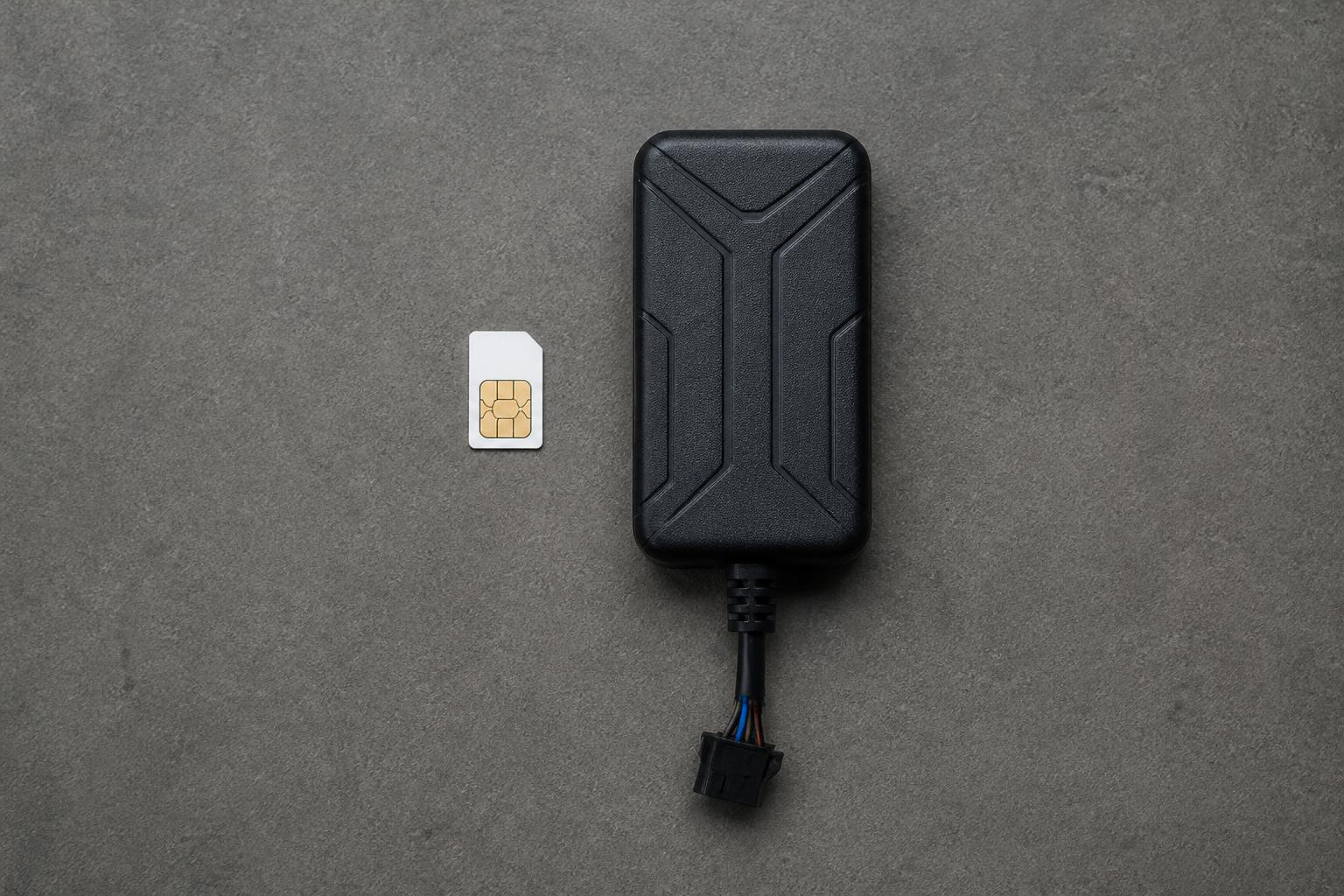
Fleet tracking only works when the device in the vehicle can keep sending data back reliably. That is the job of the SIM. In practice, IoT SIMs are what let a tracker, camera or Tachograph device stay connected on the road, report location, send alerts and feed one live platform instead of leaving gaps in the day.
For UK fleet operators, the right SIM setup is usually less about buying large mobile data bundles and more about keeping connected hardware online across depots, motorways, rural routes, ports and customer sites. If the connection drops, the value of live tracking, driver hours oversight and exception reporting drops with it.
What IoT SIMs do in a fleet operation
IoT SIMs are SIM cards designed for machine to machine connectivity rather than for a person using a handset. In a fleet context, that usually means a SIM fitted into a GPS tracker, a dashcam, a Tachograph-related device, a trailer tracker or another piece of connected equipment installed in a vehicle or asset.
The main difference from a consumer mobile SIM is not just the tariff. It is the intended use. A consumer SIM is built around calls, texts and handset data use. An IoT SIM is built around devices that send small but important packets of information, often all day, every day, with little or no human interaction. That changes how connectivity is managed.
In fleet operations, we use IoT SIMs so hardware can:
- send live GPS position updates
- report ignition events, movement and geofence activity
- transmit alerts for tampering, power loss or unauthorised use
- upload CAN data where the hardware supports it
- support remote Tachograph processes and related status reporting
- move camera footage, still images or event clips from Smart dashcams
- stay connected over long service periods without someone swapping SIMs in and out
They are also better suited to central management. Instead of treating every vehicle device like a separate mobile phone contract, fleet connectivity can be provisioned and monitored as part of one operational setup. That matters when you have vans, HGV units, trailers and plant all using different hardware profiles but feeding one system.
For us, the practical point is simple. If we are bringing location, compliance visibility and camera data into Fleetalyse, the SIM needs to support the device in a stable, predictable way. A tracker that works well in a lab but loses connection on ordinary routes is not much use in transport operations.
Why coverage and reliability matter more than headline data
A tracking device does not usually need the sort of data allowance marketed to smartphone users. What it needs is availability. If the unit can connect when it needs to, hold signal reasonably well and recover quickly after a drop, the fleet gets usable visibility. If not, even generous data bundles do not solve the real problem.
For UK operators, this is especially important because routes are mixed. A vehicle may start in an urban depot with strong signal, spend hours on trunk roads, call at industrial estates with patchy indoor coverage, then move through rural areas where network performance varies by provider. A SIM that can handle those conditions is worth more than one that looks cheap on paper.
This is where roaming behaviour and network resilience matter. Some IoT SIMs are configured to use more than one network profile, or to operate in a way that improves the chance of finding service when one network is weak. The detail depends on the hardware and the connectivity arrangement, but the buying point is straightforward. Ask how the device behaves when coverage changes, not just how many megabytes are included.
Uptime also matters more than the headline tariff. In a fleet environment, missed updates can affect:
- ETAs and customer communications
- proof that a vehicle attended a site
- stolen vehicle recovery
- route history and stop analysis
- live alerting for out of hours use
- visibility of driver behaviour events from connected cameras
- remote workflows linked to Tachograph or compliance activity
UK operators should also think about where the device will actually sit. A tracker hidden behind trim, under a dashboard or in a metal-heavy installation can experience different signal conditions from a phone in the cab. The same applies to trailer units and asset trackers, which may spend long periods stationary or parked in compounds.
So when we specify a connected device, we focus on whether it remains dependable in day-to-day use. That usually matters more than chasing a large allowance that the hardware may never come close to using.
Which fleet devices use IoT SIMs?
The most obvious example is the standard vehicle tracker. A hard-wired tracker fitted to a van, car or HGV uses a SIM to send location, ignition status and event data back to the platform. That is the core of live fleet tracking.
But trackers are only one part of it. Common fleet devices using IoT SIMs include:
- GPS tracking units for vehicles
- battery-backed or wired trailer trackers
- plant and asset trackers
- Smart dashcams that upload event footage and snapshots
- Tachograph-related hardware used for remote downloads or status visibility
- telematics units reading CAN data
- temperature or specialist monitoring hardware in certain fleets
- recovery and security devices with movement or tamper alerts
Smart dashcams are a good example of why SIM choice affects operations. A camera may not stream all day, but it still needs to send event clips, images and alerts promptly when there is harsh braking, a collision trigger or a manual upload request. If the connection is poor, the footage arrives late or not at all, which weakens the safety and incident process. Our connected camera options for vehicle video and alerts are built around that practical requirement.
Tachograph-related hardware has its own demands. The data volumes may be modest, but the process matters. If a fleet is relying on remote downloads and status checks to reduce manual handling, the connectivity must be dependable enough to support that workflow. A weak link at SIM level can mean more chasing, more depot intervention and less confidence in compliance routines.
Then there are mixed fleets. One operator may have HGV units with Tachograph requirements, vans with standard tracking, trailers needing location and utilisation data, and a few higher-risk vehicles with cameras. In those cases, the value comes from bringing devices into one platform rather than managing separate systems. That is the reason many customers look at fleet management tools that combine tracking, compliance and reporting.
How much data does a tracking device actually use?
This depends far more on configuration and hardware type than many buyers expect.
A basic tracker sending regular position pings and standard event data often uses relatively little data. The main drivers are how often it reports, what else it sends apart from location, and whether it is expected to transmit larger files.
Typical data drivers include:
- ping frequency, such as every few seconds when moving versus longer intervals
- ignition on and ignition off reporting
- movement alerts and geofence events
- CAN data capture from the vehicle
- remote configuration changes
- map refresh and historical reporting behaviour in the platform
- Tachograph-related transfers
- camera stills, event clips and manual footage uploads
A simple GPS unit set to report at sensible intervals will usually be light on data. If a fleet wants second-by-second movement history, frequent polling and lots of additional telemetry, usage rises. Not because the tracker is doing anything unusual, but because the reporting policy is more demanding.
Cameras are usually the bigger variable. A Smart dashcam that only uploads event clips after incidents behaves very differently from a setup where users regularly request footage, send multiple snapshots or transfer larger video files. The difference in data use can be significant.
CAN data also matters. Pulling vehicle information into the platform can add real operational value, but each additional data stream has an effect on the overall profile. The right question is not “how much data does a tracker use?” in isolation. It is “what do we want this device to tell us, and how often?”
That is why setup choices should match the job. A long-haul HGV operation may want different reporting intervals from a local service fleet. A trailer used mainly for yard visibility may not need the same behaviour as a theft-risk asset moving between sites. A camera on a high-claims vehicle may justify more frequent uploads than one on a low-risk route.
We normally advise buyers to think in terms of operational outcomes first. Do you want live route visibility, proof of attendance, exception alerts, remote downloads, camera evidence, engine-related data, or all of the above? Once that is clear, the hardware profile and SIM requirement become easier to define.
What to check before choosing hardware and connectivity
Start with compatibility. Not every SIM arrangement suits every device, and not every device suits every fleet workflow. Before rollout, check what hardware is being installed, whether it is locked to a particular setup, and how it will be managed after installation.
There are a few practical points worth checking.
First, decide whether you want a ready-to-go route or a more open hardware choice. Some operators prefer Fleetalyse-ready trackers because they are selected to work cleanly with the platform and simplify deployment. Others want unlocked Teltonika hardware because they already know the product range, have installer preferences or need a more tailored specification.
Second, confirm installation requirements. A simple plug-in unit is one thing. A hard-wired tracker, camera or Tachograph device may need a more careful install, especially where power management, hidden placement, antenna position or vehicle downtime are concerns.
Third, ask who controls the device after commissioning. You should know whether you will have access to the management side, what can be changed remotely, and how support is handled if a unit stops reporting. That includes understanding your reporting environment in Fleetalyse, any separate Tracker login arrangements where relevant, and what is visible in the Customer Portal for account administration.
Fourth, look at the reporting need, not just the hardware list. If your operation needs live vehicle location, driver hours oversight, route history, camera evidence and remote compliance processes, it is usually better to plan the whole setup together. Piecemeal buying often leads to duplicated subscriptions and disconnected data.
Fifth, check support and commercial handling. In the UK, the practical details matter. Ask how replacements are handled, what happens if a device is transferred between vehicles, whether VAT is shown clearly on orders and invoices, and how online payments are processed. Where customers buy directly through our site, payment handling may involve Stripe, and the trading entity is Fleeta Limited T/A Fleetalyse.
It is also worth checking mapping and platform presentation. Fleet teams need a system that is easy to use under pressure, whether they are reviewing route history, checking a stopped vehicle or confirming site attendance. Mapping based on OpenStreetMap can work well, but what matters most is how clearly the platform turns raw data into something operationally useful.
If you are weighing up options now, you can browse hardware and tracking options for different fleet setups.
How IoT SIMs fit into day-to-day fleet visibility
SIM choice can sound like a technical detail, but in practice it shapes what the transport office sees every day.
When the connection is right, vehicles appear where they should, route history is complete, alerts arrive when they are meant to and remote services work with less chasing. That supports the real outcomes operators care about:
- live location across vans, HGV units, trailers and assets
- clearer oversight of driver hours and vehicle activity
- alerts for out of hours movement, geofence breaches or unexpected stops
- better incident handling through Smart dashcams
- more reliable remote Tachograph workflows
- less time switching between separate tools and spreadsheets
This is where Fleet insight becomes more than a dashboard label. Useful visibility depends on the quality and consistency of the data reaching the platform. If the SIM and device setup are unstable, the office spends more time second-guessing what is missing. If the setup is dependable, teams can use the platform for decisions instead of checking several systems to fill the gaps.
For mixed fleets, that matters even more. One business may need to monitor a trailer in a customer yard, confirm a van attended a service call, review camera footage from a road incident and keep on top of compliance tasks for HGV operations. Those are different use cases, but they all depend on connected hardware sending data back reliably.
That is why we treat connectivity as part of the operational design, not an afterthought. The SIM is not just there to make the device light up on install day. It is there to keep the fleet visible through ordinary working conditions, patchy signal areas, long shifts and varied routes.
When operators choose IoT SIMs with that in mind, they usually end up with a better result, not because the SIM itself is glamorous, but because the tracking, camera and compliance tools they rely on are far more likely to keep working on the road.
Are IoT SIMs different from normal mobile SIM cards?
Yes. IoT SIMs are intended for connected devices rather than phones. They are usually managed for long-term device use, stable connectivity and controlled data behaviour.
Do all vehicle trackers need IoT SIMs?
Any tracker that sends data over the mobile network needs some form of SIM-based connectivity. The exact setup depends on the device, installation and how often it reports.
Do IoT SIMs use much data in fleet tracking?
Basic tracking usually uses modest data. Usage rises when devices report more often, send alerts frequently, upload footage or transmit extra information such as CAN data.
Can one IoT SIM setup cover HGV, vans and trailers?
Often yes, but it depends on the hardware and the reporting needs of each asset type. Mixed fleets usually need a setup that matches different power, movement and visibility requirements.
What matters most when comparing IoT SIM options for fleets?
Look at coverage, reliability, device compatibility, management control, support and how the connectivity works with your tracking and reporting setup in daily operations.