
Trailer theft prevention: a practical guide for UK owners
Effective trailer theft prevention combines three layers: hardened physical immobilisation, active GPS tracking with real-time alerts, and disciplined parking and operational habits. No single device stops a determined thief, but layering all three shifts the risk calculus firmly in your favour.
- Physical locks and immobilisers — coupler locks, wheel boots, ground anchors and high-security chains
- Electronic tracking and alarms — real-time GPS, geofencing, motion/tilt sensors and tamper alerts
- Operational controls and documentation — smart parking, routine checks, serial-number records and insurer evidence packs
Industry guidance from Secured by Design endorses this multi-layer model, Thatcham Research sets the approval benchmarks UK insurers rely on, and telematics platforms such as Fleetalyse provide the live visibility that turns a theft event into a recoverable one.
Key takeaways
Effective trailer theft prevention requires a layered combination of hardened physical locks, active GPS tracking with real-time alerts, and consistent operational habits, all documented to meet UK insurer requirements.
| Point | Details |
|---|---|
| Layer physical and electronic security | Combine a coupler lock and wheel boot with a live GPS tracker for the most effective deterrent posture. |
| Match devices to your trailer | Size-specific coupler locks and correctly fitted wheel boots outperform universal alternatives every time. |
| Build your evidence pack before a theft | Photograph all fitted devices, record serial numbers and save tracker logs to support any insurer claim. |
| Smart parking costs nothing | Backing against a wall, varying bay positions and using lit, CCTV-covered areas cuts opportunistic risk significantly. |
| Fleetalyse for fleet-grade visibility | Fleetalyse provides real-time GPS tracking, geofencing and tamper alerts for UK trailer and mixed-fleet operators. |
Table of Contents
- Why does a layered approach to trailer security actually work?
- Which physical devices should you fit first?
- What GPS and alarm features actually matter in the UK?
- How do you choose the right devices and vendors?
- What parking habits reduce theft risk most effectively?
- How to secure a trailer in under five minutes
- What do UK insurers expect, and how do you document a claim?
- How does Fleetalyse support trailer security for UK fleets?
- Fleet operators versus private owners: where the priorities differ
- Fleetalyse GPS trackers and telematics for trailer security
- Sources
Why does a layered approach to trailer security actually work?
The logic is straightforward: every additional layer costs a thief more time, more noise, and more risk of being seen. Opportunistic thieves, who account for the majority of trailer losses, will move to an easier target the moment a job looks complicated. Secured by Design frames this explicitly: the goal is not an indestructible lock but a setup that is harder to defeat than the trailer parked next door.
Planned, professional thefts are a different problem, but even organised crews weigh cost against reward. A trailer protected by a coupler lock, a wheel boot, a ground anchor, and a live tracker requires specialist tools, extended dwell time, and the knowledge that its location is being broadcast. That combination deters most professional operations too.
The practical implication is that you do not need to spend a fortune on a single premium device. Two well-chosen physical layers deliver more deterrence than one expensive lock, because they force the thief to carry and use two different sets of tools.
- Coupler lock plus wheel boot: the most effective starting pair for road trailers
- Ground anchor plus chain: the right addition for trailers stored on a fixed site
- GPS tracker with geofence: the layer that converts a theft into a recoverable event
Pro Tip: Start with the two physical layers that are hardest to defeat quickly. A coupler lock stops coupling; a wheel boot stops rolling. Together, they eliminate the two fastest theft methods before you add any electronic layer.
Which physical devices should you fit first?
Trailer theft is rising and recovery rates remain low, which makes the choice of physical device more consequential than many owners realise. The right starting point is a coupler lock matched precisely to your coupler size, followed by a wheel immobiliser, and then a ground anchor or chain for any trailer left on site overnight.
Coupler and hitch locks
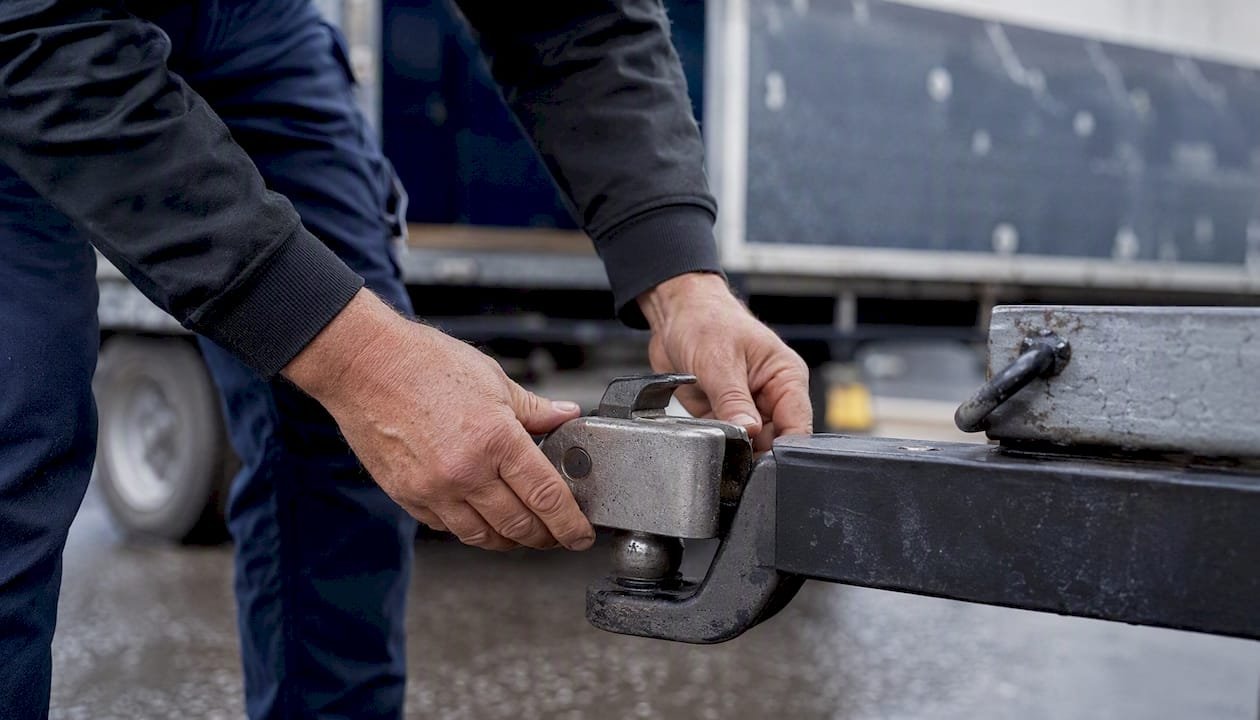
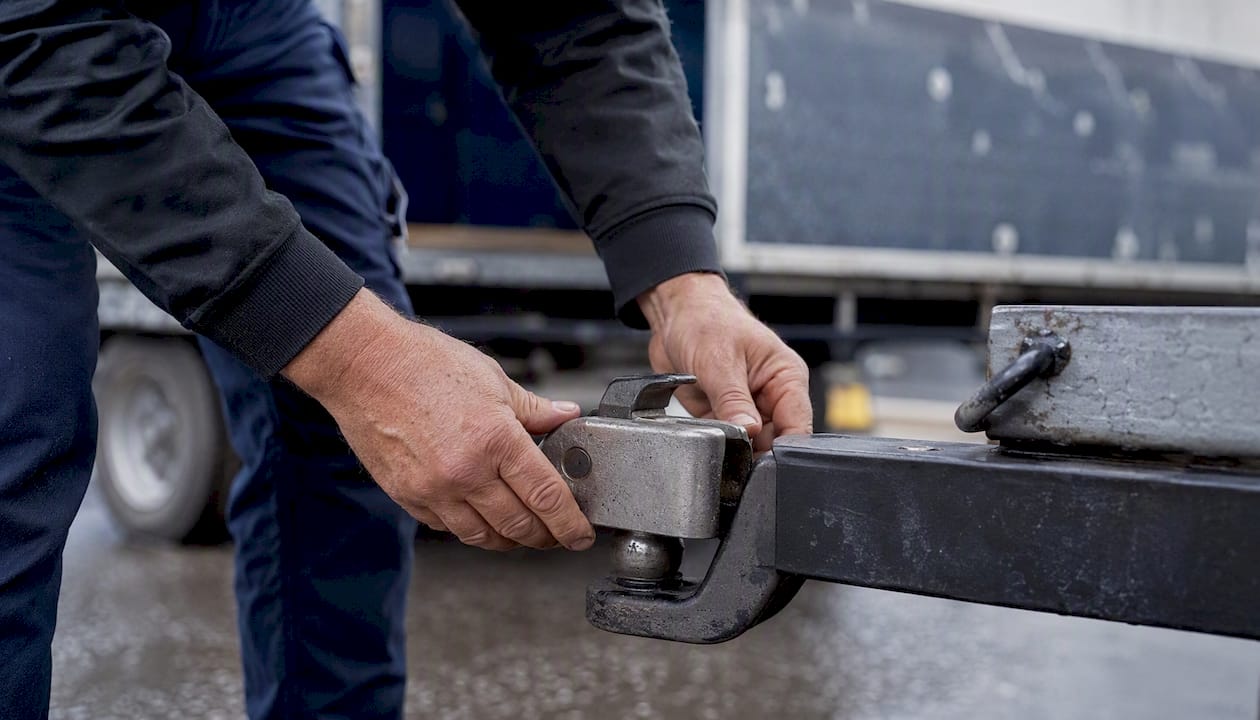
A coupler lock fits over the trailer’s hitch cup and prevents a tow vehicle from coupling. Size matters: a lock designed for a 50mm ball will not grip a 2-inch receiver, and a loose fit is easily defeated. Check your trailer’s coupling specification before buying. Purpose-built, size-specific designs with hardened steel bodies and welded shackles are the standard to insist on; universal locks with wide gaps are a common red flag. You can compare tow ball lock designs at Regency Floats to understand the fitment differences.
For fifth-wheel and semi-trailer applications, king pin locks serve the same function, clamping the king pin so the trailer cannot be coupled to a fifth-wheel plate.
Wheel immobilisers and boots
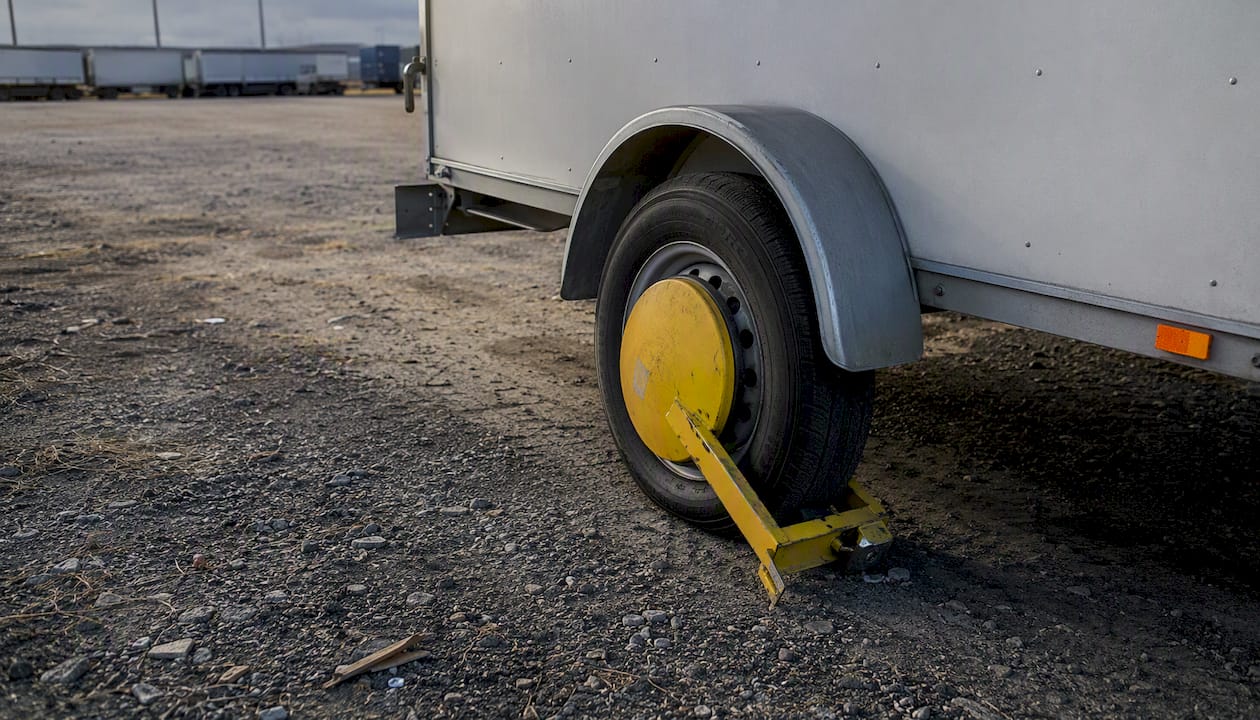
A well-fitted wheel boot prevents trailer movement even if the coupler is compromised, making it one of the most effective single physical barriers available. Sizing is critical: the boot must grip the wheel rim without excessive play, and you should check tyre clearance on both sides before purchase. For UK conditions, look for powder-coated or galvanised steel with sealed locking mechanisms to resist corrosion.
Ground anchors, chains and parking posts
Ground anchors bolted into concrete or tarmac, combined with a hardened chain and a closed-shackle padlock, are the right solution for trailers stored at a fixed yard or depot. The chain should be rated to at least Grade 70 and looped through the trailer’s chassis rather than a detachable component. Parking posts and removable bollards serve a similar function where ground anchors are not practical.
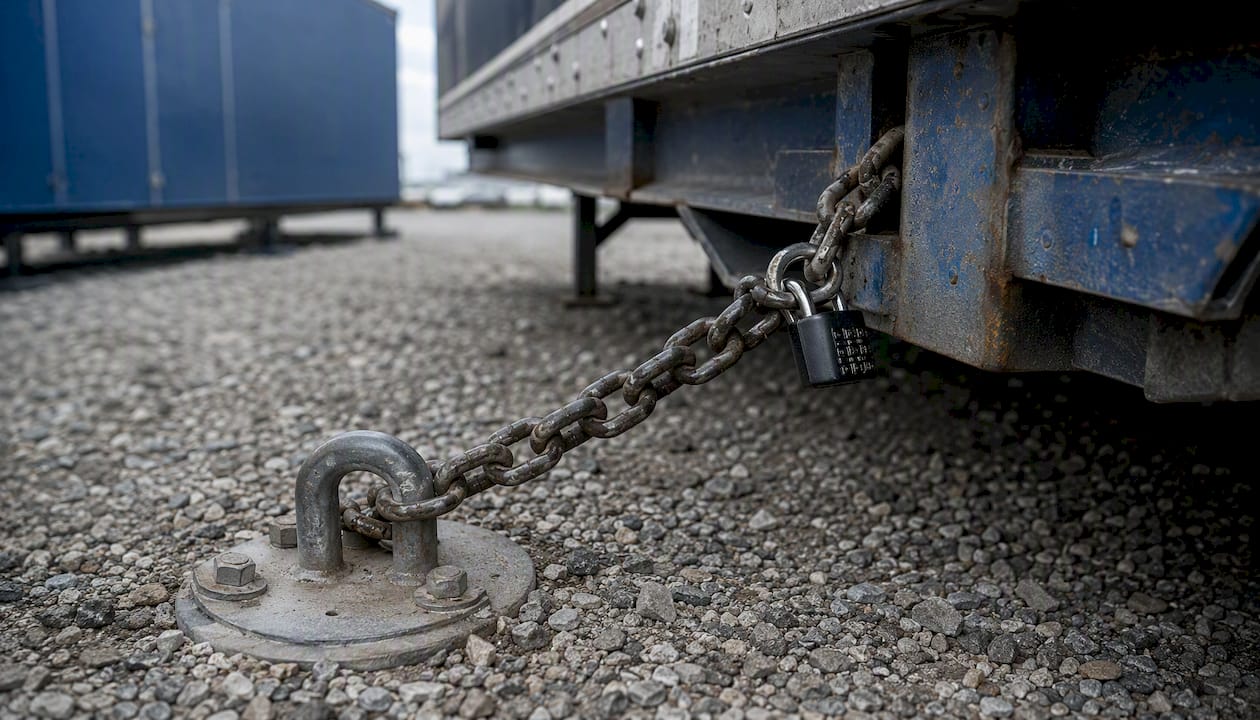
When selecting chain hardware, the quality of the shackle connecting chain to anchor matters as much as the chain itself; a hardened, closed-shackle design resists bolt cutters far better than an open hook.
Device comparison
| Device category | Primary purpose | Deterrent visibility | Fit complexity |
|---|---|---|---|
| Coupler/hitch lock | Prevents coupling | High | Low |
| Wheel boot/immobiliser | Prevents rolling | High | Low |
| King pin lock | Prevents fifth-wheel coupling | High | Low |
| Ground anchor and chain | Fixes trailer to ground | Medium | Medium |
| Parking post/bollard | Blocks access lane | High | Medium |
| High-security padlock and hasp | Secures doors and hasps | Medium | Low |
Pro Tip: Pair a highly visible device (a bright yellow wheel boot) with a less obvious one (a chain anchored under the chassis). The visible layer deters casual thieves; the hidden layer catches anyone who removes the obvious one and assumes the job is done.
What GPS and alarm features actually matter in the UK?
Physical locks slow a theft down; active telematics convert a physical loss into a recoverable event by delivering immediate alerts and timestamped location data to police and insurers. That distinction matters operationally: a tracker does not stop the theft, but it dramatically improves the outcome.
For UK use, the features that make a material difference are:
- Real-time tracking — position updates every 30–60 seconds, not hourly pings
- Dynamic geofencing — alerts triggered the moment the trailer crosses a defined boundary
- Motion and tilt sensors — detect movement before the trailer leaves the site
- Multi-sensor positioning — combining GPS with cellular network IDs and Wi-Fi scanning to retain visibility inside metal buildings or loading bays where GPS signal degrades
- Tamper detection — alerts if the device is disconnected or the antenna is cut
- Covert mounting — the tracker should be hidden within the trailer frame, not visible on the exterior
- Alert routing — SMS, push notification and email escalation so the right person is notified immediately
Modern platforms combine GPS with cellular and Wi-Fi scanning to close the blind spots that GPS-only devices leave. This hybrid positioning approach is particularly relevant for trailers stored inside warehouses or steel-framed depots, where a GPS-only device goes dark.
For fleet operators, integration with a fleet management platform such as Fleetalyse adds a further layer: automated geofence alerts feed directly into fleet dashboards, and timestamped movement logs are available immediately for police and insurer evidence. The trailer tracking benefits for logistics fleets extend well beyond theft prevention to utilisation and compliance, but the security case alone justifies the investment.
Pro Tip: Mount the primary tracker inside the trailer’s front bulkhead or within a chassis rail, away from obvious access points. Test it by arming the geofence and moving the trailer a short distance — confirm the alert arrives within two minutes before relying on it operationally.
How do you choose the right devices and vendors?
Pick devices that meet insurer or industry approval and fit your specific trailer and usage profile. A lock that is not compatible with your coupler size, or a tracker with no tamper alert, gives a false sense of security.
Selection checklist
- Fitment compatibility: confirm coupler size, wheel diameter and chassis attachment points before ordering
- Material specification: hardened steel body, welded or closed shackles, no exposed cutting points
- Weather rating: sealed mechanisms and corrosion-resistant coatings for UK outdoor use
- Approval or certification: Sold Secure ratings and Thatcham-approved devices are the benchmarks UK insurers recognise
- Tracker battery life: replaceable or rechargeable batteries with low-battery alerts
- Warranty and UK support: a supplier with UK-based after-sales support matters when a device fails at 6 AM
Questions to ask your insurer
UK insurers commonly require approved security devices and proof of their use; failing to comply can jeopardise a claim. Before you buy, ask:
- Do you require Sold Secure or Thatcham-approved devices specifically?
- What photographic or documentary evidence do you need at claim time?
- Does the policy exclude cover for trailers left unattended for more than a defined period?
- Do you require professional installation, or is self-installation acceptable with receipts?
Red flags to avoid
- Universal coupler locks with wide jaw gaps: they fit loosely and are easily defeated
- Non-hardened shackles: a standard padlock shackle can be cut in seconds
- Trackers with no tamper alert: a thief who finds and removes the device leaves you with no data
- Suppliers offering no UK warranty or support contact
For a deeper look at when GPS tracking is cost-effective for your trailer type, the Fleetalyse guide on trailer GPS tracking covers the UK haulage context in detail.
What parking habits reduce theft risk most effectively?
Smart parking and consistent operational routines are as important as hardware when preventing trailer theft. A trailer secured with a coupler lock but left in an isolated, unlit corner of a yard is still an easy target.
- Back the trailer against a wall or building to block access to the coupler
- Park a second vehicle or barrier in front of the trailer to prevent a tow vehicle from approaching
- Use well-lit areas with CCTV coverage for overnight storage
- Vary which bay or position the trailer occupies to break any predictability pattern a thief might be building up
- Remove or lock detachable items: ramps, toolboxes and accessories left unsecured are secondary theft targets. A lockable front tack box keeps equipment secured and out of sight
- For long-term storage, fit a ground anchor and chain in addition to the coupler lock
Varying parking routine and rotating trailer positions breaks a thief’s predictability analysis, reducing the risk of being targeted by organised crews who scope sites before acting. This costs nothing and takes seconds to implement.
Pro Tip: For trailers stored at a depot, assign a specific bay with a ground anchor rather than leaving parking ad hoc. A fixed anchor point means the chain is always used, not left in the cab.
Daily and weekly checks
- Pre-departure: confirm coupler lock is fitted and locked, wheel boot is removed and stowed, tracker is armed
- Weekly: check battery status on all wireless devices, inspect locks for signs of tampering or forced entry
- After any unattended period: photograph the trailer’s position and condition before and after
How to secure a trailer in under five minutes
This sequence covers the essential steps every time you leave a trailer unattended. The full routine takes 3–5 minutes; the overnight additions take a further two.
- Check the coupler — confirm the ball or receiver is clean and undamaged, then fit the coupler lock and verify it is fully engaged with no play.
- Fit the wheel immobiliser — position the boot on the wheel most accessible to a thief (usually the nearside rear), check it is seated correctly against the rim, and lock it.
- Arm the tracker — set the geofence to the current location and confirm the motion alert is active. Check the app shows a current position fix.
- Secure doors and hatches — lock all side doors, rear doors and toolboxes. Remove any loose equipment or lock it in a secured compartment.
- Park strategically — reverse against a wall or barrier where possible, and position a second vehicle or bollard in front if available.
- Document the position — take a quick photo on your phone showing the trailer, its locks and its surroundings. This takes 20 seconds and is the first thing your insurer will ask for.
For overnight or long-term storage, add: fit the ground anchor chain, check lighting and CCTV coverage, and note the trailer’s VIN and device serial numbers in your records.
What do UK insurers expect, and how do you document a claim?
Insurers commonly require approved locks and proof of reasonable security; failure to comply can jeopardise a theft claim entirely. The evidence pack you build before a theft determines how smoothly a claim proceeds.
What insurers typically expect
- Approved devices: Sold Secure or Thatcham-rated locks and trackers are the standard reference points
- Photographic evidence: photos of the trailer with all devices fitted, taken at the time of parking
- Proof of purchase and installation: receipts, installation photos and, where relevant, a professional installer’s certificate
- A prompt police report: filed as soon as the theft is discovered, with a crime reference number
Claims evidence checklist
- VIN and chassis number recorded separately from the trailer
- Serial numbers of all fitted security devices
- Photographs of each device in its fitted position, with timestamps
- Tracker logs showing the last known position, timestamped movement history and any geofence alerts triggered
- CCTV footage from the storage site, if available, preserved before it is overwritten
- Receipts and any approval documentation for each device
Documenting VINs, serial numbers, photos and tracker logs improves the chance of a claim being accepted and aids police recovery. Building this evidence pack takes ten minutes before a theft; rebuilding it after is often impossible.
Common insurer signals and evidence items
| Evidence item | Why insurers ask for it |
|---|---|
| Device approval (Sold Secure / Thatcham) | Confirms the device meets a recognised standard |
| Photographs of fitted devices | Proves devices were in use at the time of theft |
| Tracker movement logs | Provides timestamped evidence for police and claim |
| Police crime reference number | Required to process most theft claims |
| Proof of purchase for devices | Confirms ownership and specification of security kit |
How does Fleetalyse support trailer security for UK fleets?
Fleetalyse provides the telematics and operational visibility that converts a theft event into a recoverable one and strengthens the evidence available to insurers and police. For UK fleet operators, that means live alerts, timestamped location data and a documented audit trail, all from a single platform.
The platform’s capabilities most relevant to trailer security include:
- Real-time GPS tracking with position updates and geofence alerts sent directly to fleet managers
- Plug-and-play hardware that installs without specialist tools, reducing deployment time across mixed fleets of HGVs, vans and trailers
- Motion and tamper alerts routed via SMS, push notification and email to the right contacts immediately
- Hybrid positioning combining GPS, cellular and Wi-Fi data to retain visibility in loading bays and metal-framed depots where GPS signal is unreliable
- Integration with dashcams and fleet workflows so security events are logged alongside driver behaviour and compliance data
- Automated compliance and maintenance scheduling that keeps trailer records current, supporting operator licence requirements under DVSA regulations
For fleets, the operational benefit extends beyond theft: the same telematics data that triggers a theft alert also supports utilisation analysis, driver hours monitoring and maintenance scheduling. The Fleetalyse guide on tracking trailer locations covers geofencing and indoor positioning in detail.
Pro Tip: Configure a tight geofence around your depot perimeter rather than a broad area. A 50-metre boundary triggers an alert the moment a trailer moves off-site, giving you the fastest possible response window.
Fleet operators versus private owners: where the priorities differ
The conventional advice on trailer security treats every owner the same. It should not.
For commercial fleet operators, the most important investment is integrated telematics with documented process. A fleet of ten trailers cannot be managed by checking padlocks manually each morning; it needs live alerts, geofence logs and an audit trail that holds up to insurer scrutiny. The risk of a single undetected theft, multiplied across a fleet, justifies the subscription cost of a platform like Fleetalyse many times over. Physical locks remain necessary, but they are the baseline, not the strategy.
Private owners face a different calculus. A single trailer, used occasionally, does not need enterprise telematics. What it needs is a rugged coupler lock matched to the correct coupler size, a visible wheel boot, and a simple battery-powered GPS tracker with a geofence alert routed to a mobile phone. That combination costs a few hundred pounds, requires no subscription beyond a basic SIM, and covers the vast majority of theft scenarios a private owner will encounter.
The mistake I see most often is private owners buying a cheap universal lock because it looks similar to a purpose-built one, and fleet operators relying on physical locks alone because “we’ve never had a theft.” The first group is buying false confidence; the second is one organised crew away from a serious operational disruption.
The practical takeaway: match your security investment to your usage profile. A fleet needs telematics first, physical locks second. A private owner needs rugged physical locks first, a simple tracker second. Both need smart parking habits, because no device compensates for leaving a trailer in an isolated, unlit corner of a car park.
Fleetalyse GPS trackers and telematics for trailer security
Fitting the right physical locks is the foundation; knowing where your trailer is at every moment is what makes the difference between a loss and a recovery. Fleetalyse offers plug-and-play GPS trackers built for UK fleet conditions, with real-time geofencing, motion alerts and a fleet dashboard that gives you immediate visibility across every asset.
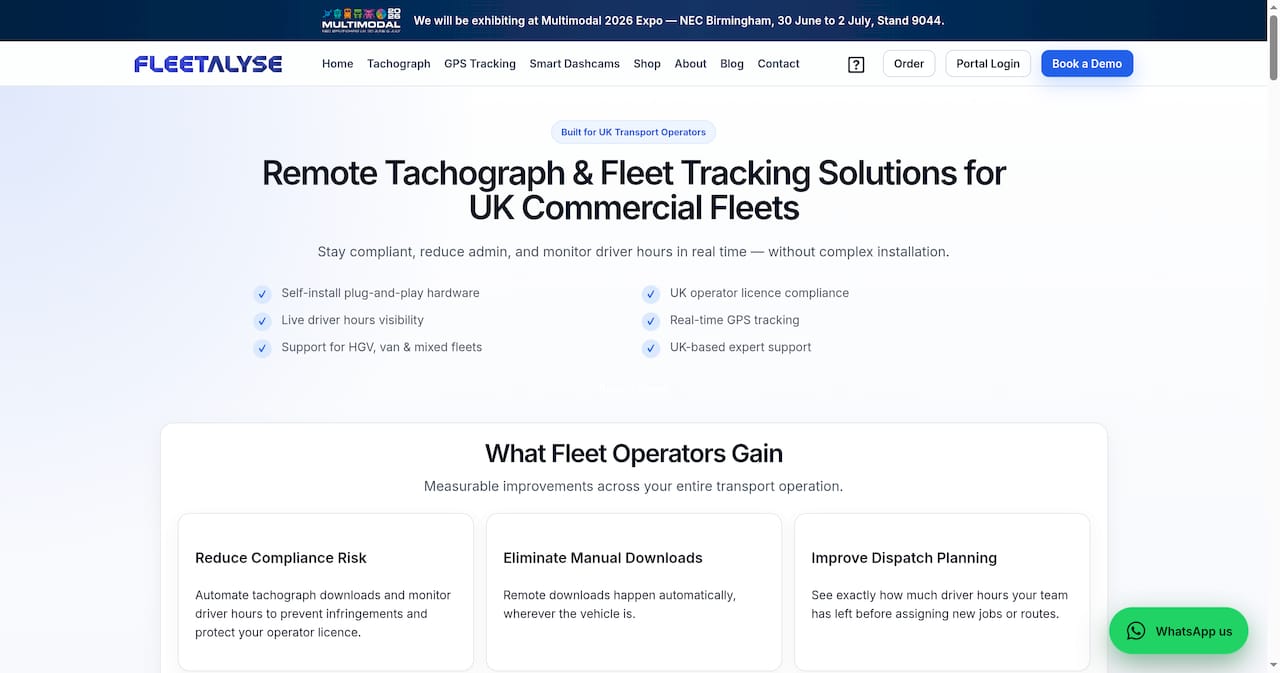
The hardware installs without specialist tools, works across trailers, HGVs and vans, and feeds directly into the Fleetalyse platform for automated alerts, timestamped movement logs and compliance reporting. Whether you are securing a single trailer or managing a mixed fleet, the unlocked GPS trackers in the Fleetalyse shop are compatible with the platform from day one. Browse the tracker range and request a demo to see how live geofencing and tamper alerts work in practice.
Sources
The sources below cover device approvals, insurer requirements and telematics guidance for UK trailer owners and fleet operators.
- Secured by Design
- Thatcham Research
- Trailer Theft Prevention: AI‑Powered Asset Security – GPX
- Trailer theft prevention: How to secure your trailer (2026 guide) – MaxBuiltTrailers
- Best way to secure a trailer from theft – Proven Industries