
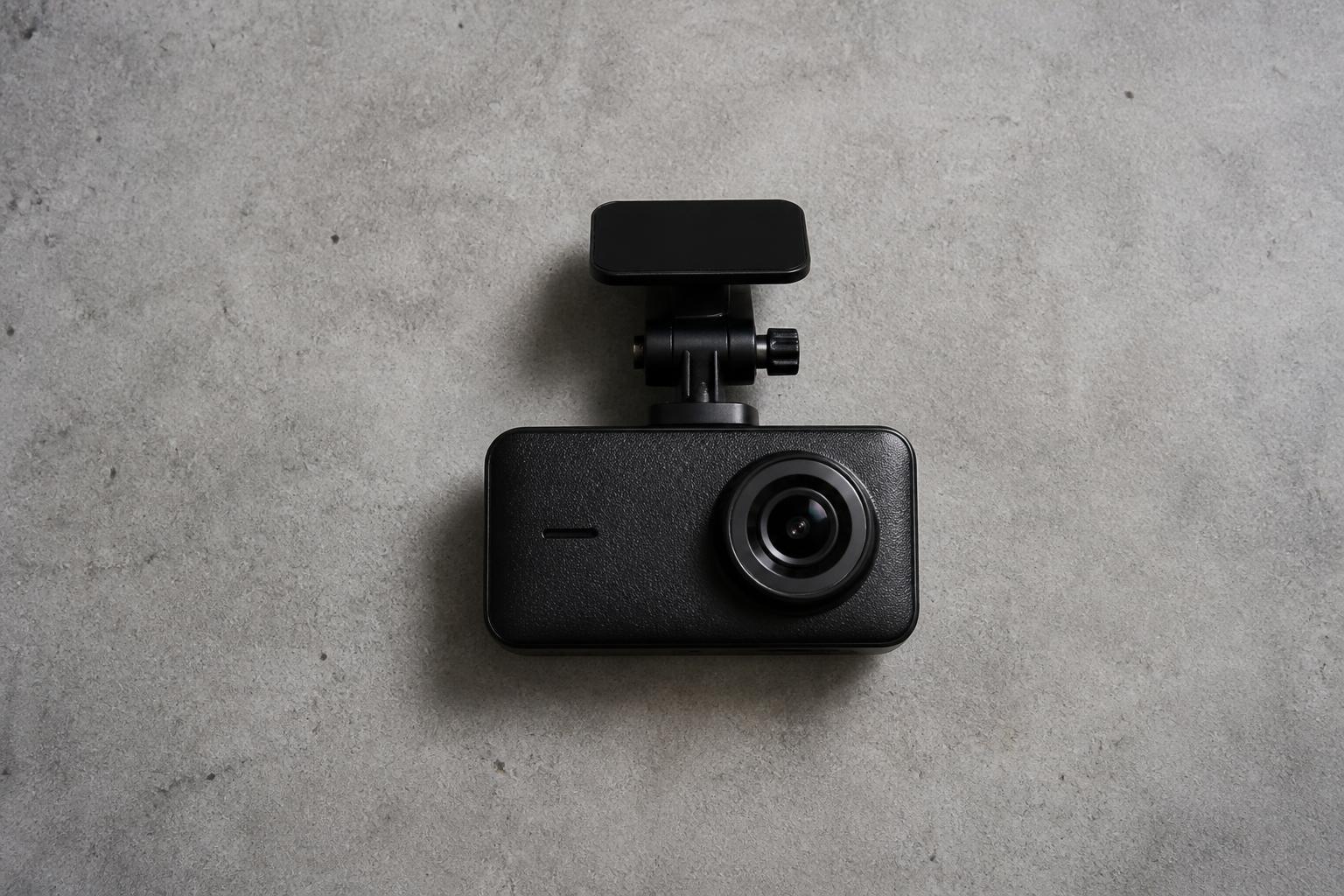
For most commercial fleets, dash cams are worth it when they are used as part of an operating process, not just fitted as a gadget. The value usually comes from faster incident resolution, fewer disputed claims, better driver conversations, less admin chasing footage, and better visibility of what is happening on the road. If a camera only records onto an SD card that nobody checks until weeks later, the answer is often very different.
That is why the real question is not simply whether dash cams are worth it. It is whether the setup fits the way your fleet actually runs. In HGV, van and mixed fleet operations, the best results usually come from connected systems that tie video, GPS, reporting and day-to-day fleet workflows together.
What makes a dash cam worth the cost?
When operators ask whether dash cams are worth the cost, we think the wrong place to start is the purchase price. A fleet camera should be judged against the operational costs it can reduce and the visibility it can add.
The first area is claims handling. In a commercial fleet, the difference between having usable footage and having none can be the difference between settling a dispute quickly and spending weeks going back and forth with insurers, drivers, third parties and customers. Clear footage of lane position, traffic signals, road conditions and vehicle behaviour can help establish what actually happened. That matters whether the vehicle is an HGV on trunk work, a van on multidrop, or a mixed fleet vehicle moving between depot work and public roads.
The second area is downtime. After an incident, vehicles can be off the road while facts are checked, statements are taken and management decides what to do next. If footage is easy to retrieve and tied to the trip record, fleets can often move faster. Even where the footage does not remove every question, it can narrow the issue quickly.
The third area is admin time. Many operators underestimate how much time is lost chasing drivers for memory cards, trying to identify which vehicle was where, or matching a camera timestamp with a separate tracking system. If the camera sits inside one workflow with GPS data and event reporting, admin effort drops. That is one reason we focus on connected video inside a wider Fleet insight setup, rather than treating cameras as a standalone purchase.
The fourth area is driver management. A dash cam should not be seen only as a disciplinary tool. In practice, it is often most useful for fair, evidence-based conversations. If a complaint comes in, we can check what happened rather than relying on assumptions. If a driver handled a difficult road situation well, the footage can support that too. Good fleets use cameras to protect drivers as much as to monitor them.
The fifth area is operational visibility. A camera becomes more valuable when it helps explain events that tracking alone cannot. GPS may show where a vehicle stopped sharply. Video can show whether that was caused by a pedestrian stepping out, congestion, poor road layout or driver behaviour. The more complex the operation, the more important that context becomes.
So, are dash cams worth it? In most working fleets, yes, if they save time, support claims, reduce uncertainty and fit into the way the operation already manages vehicles and drivers. If they are judged only on unit cost, the decision is too narrow.
Where dash cams help most in commercial fleet work
The strongest use cases are the practical ones that happen every week in a transport operation.
One of the most obvious is incident evidence. Commercial vehicles spend long hours in traffic, on customer sites, in yards and on unfamiliar roads. Even careful drivers are exposed to risk from other road users. When an allegation comes in, footage can show whether a vehicle cut in, reversed unexpectedly, braked harshly, ignored site rules or was struck by another party. This is especially useful in urban van work and in HGV operations where manoeuvring complaints are common.
Another major use is driver coaching. Operators often already have reports from telematics, such as speeding, harsh braking or idling. Those reports are useful, but they do not always tell the full story. Video provides context, so coaching can be based on what actually happened. That usually leads to better driver engagement than a report alone. Drivers are more likely to accept feedback when they can see the event for themselves.
Dash cams also help with theft and security concerns. This applies both to vehicle theft and to opportunistic incidents around parked vehicles, trailers and loads. A camera will not prevent every theft, but it can improve awareness of what happened, when it happened and who was nearby. For operators dealing with out-of-hours parking, unsecured customer sites or higher risk cargo, that visibility matters.
Operational oversight is another area where cameras earn their place. In many fleets, the challenge is not a major collision. It is repeated low-level problems that create cost and friction, such as avoidable bumps, poor reversing, site disputes, customer complaints and uncertainty over delays. Cameras help management move from assumption to evidence.
This is particularly useful in mixed fleets. A business running vans, HGV units, trailers and plant may have different risks across each asset type. Vans may face dense urban exposure. HGV vehicles may face reversing and blind spot issues. Specialist vehicles may work on sites where damage claims are frequent. A connected camera setup lets us apply one operational standard across those different use cases.
It also helps when cameras are linked properly with fleet systems. If footage can be viewed alongside trip history, location and driver activity, the camera becomes part of the transport desk workflow rather than an isolated box in the windscreen. We cover that in more detail in our guide on linking fleet tracking and dash cams into one workflow.
For operators focused on safety and visibility in heavier vehicles, our article on how HGV dash cams improve safety and fleet visibility goes deeper into the specific issues around larger commercial vehicles.
When dash cams are not worth it
There are situations where dash cams add very little value, and it is better to be clear about that.
The first is when the setup is too basic for the fleet’s needs. A simple recording device may be enough for a sole trader who checks footage manually and only wants occasional reference. It is often not enough for a multi-vehicle operation where incidents need to be reviewed quickly and remotely. If footage is stored locally, overwritten before anyone retrieves it, or difficult to export, the camera may exist on paper but fail in practice.
The second is when footage is hard to access. This is one of the biggest reasons fleets become disappointed with cameras. If the transport office has to wait for a vehicle to return, remove a card, find the relevant time window and then discover the file is corrupted or missing, the operational value collapses. In fast-moving claims or complaint handling, delay can be as damaging as having no footage at all.
The third is when there is no process for using the data. Cameras do not manage themselves. Someone needs to decide what events should be reviewed, who can access footage, how long clips should be retained, how drivers are informed, and how evidence is used in coaching or investigations. Without that, the fleet pays for hardware but gets very little return.
The fourth is when the camera sits outside the rest of the fleet workflow. If tracking is in one system, camera footage in another, Tachograph data somewhere else, and driver hours reviewed in spreadsheets, the burden falls on the transport team to stitch everything together manually. That is exactly the kind of fragmentation many operators are trying to get away from.
There is also a compliance and employment point to handle properly in the UK. Dash cams can be legitimate for safety, security and operational management, but fleets still need clear policies on monitoring, data access and retention. UK operators should think in terms of UK GDPR and Data Protection Act requirements, rather than assuming a general EU approach applies unchanged. The principles are similar, but the UK regime is its own framework. In practice, that means being clear with drivers about why cameras are used, what is recorded, who can view footage, and how long it is kept.
If a fleet is not prepared to put those basics in place, cameras are much less likely to be worth the investment.
How to compare standalone cameras with connected Smart dashcams
A standalone camera records video. A connected system supports a fleet process.
That is the simplest way to compare them.
A basic standalone unit may be enough if all you need is local recording for occasional retrieval. It can suit very small operations, owner-drivers, or low-risk vehicles where the main aim is to have some form of evidence on board. The trade-off is that these devices usually depend on manual access, local storage and separate management.
Connected Smart dashcams do more than capture footage. They can be tied to live vehicle location, event alerts, driver behaviour review and back-office reporting. In a commercial fleet, that changes how quickly information can be used. Instead of waiting for a vehicle to return, the office can often see the event, request the clip and deal with the issue while it is still current.
The difference becomes more important as fleet size and complexity increase. Once you have several vehicles, multiple drivers, customer deadlines and compliance responsibilities, disconnected tools start to create admin. A camera that works inside the same platform as GPS tracking is usually far easier to manage than one that sits alone.
That is why we build connected camera options around broader fleet workflows. Our Smart dashcams for commercial fleets are designed to work with the same operational view used for tracking and reporting, rather than creating another separate login and another separate process.
There is also a hardware and rollout question. Some operators want a ready-to-go package. Others want more flexibility, especially where they already use Teltonika devices, have preferred installers, or need a customised deployment across mixed assets. We support both approaches, including Fleetalyse-ready trackers, unlocked Teltonika hardware, and wider rollout planning where cameras, tracking and reporting need to work together.
For some fleets, the camera decision also sits alongside wider vehicle data requirements. If you are already using or planning CAN data, trailer tracking, remote Tachograph downloads, or consolidated reporting, a connected approach usually makes more sense than adding a cheap camera separately and hoping it fits later.
Commercial buyers should also look beyond the device itself and ask practical questions:
- How is footage retrieved?
- Can clips be tied to journey and location history?
- What happens when a driver reports an incident out of hours?
- Is there one Customer Portal or several?
- Does the office need a separate Tracker login for video review?
- How are SIM costs handled, and are IoT SIMs included in the model?
- Can the camera sit within the same reporting view as the rest of the fleet?
Those questions matter more than the shape of the camera or the wording on the box.
How to decide what your fleet actually needs
The best buying decision starts with the fleet, not the product list.
First, look at vehicle type and operating environment. An HGV fleet doing long-distance trunking has different needs from a van fleet doing urban deliveries, and both differ from a mixed operation with site work, trailers and regional distribution. Think about where incidents actually happen. Is the main risk motorway disputes, depot damage, customer site incidents, theft exposure, or urban complaints? That determines what level of camera coverage and connectivity is justified.
Second, look at risk profile. Some fleets have a history of disputed incidents, regular third-party claims or recurring customer complaints. Others are relatively low incident but need stronger oversight because vehicles operate remotely or drivers work alone. If the cost of uncertainty is high, connected cameras become easier to justify.
Third, consider how you manage drivers now. If your fleet already reviews telematics exceptions, runs driver debriefs and uses evidence in coaching, cameras can slot into an existing process. If there is no driver review process at all, start by deciding who will handle footage and what action it will support. A camera without ownership quickly becomes shelfware on the windscreen.
Fourth, think about compliance and management workload. Dash cams are not a substitute for Tachograph compliance, driver hours management or maintenance controls, but they can support the overall picture. Many operators want fewer systems, fewer spreadsheets and less duplication. If that is your aim, it usually makes sense to choose a platform approach rather than adding another isolated tool.
Fifth, decide whether you want one platform or separate systems. Some businesses are comfortable stitching tools together. Many are not, especially once the fleet grows. We often see operators reach a point where they want tracking, camera footage, reporting and compliance visibility in one place. That is where Fleetalyse is strongest, because the point is not just to sell a camera. The point is to help the transport operation see what is happening and act on it.
It is also worth checking the practical buying path. Some operators want to buy online, others need a planned rollout across depots and asset types. Some want standard devices, others want unlocked hardware or a custom setup. We support both straightforward orders and larger deployments through Fleetalyse, including options around Teltonika hardware, installation planning and platform setup.
Finally, be clear on the commercial detail. In the UK, business buyers will normally want to understand how hardware, subscriptions, connectivity and support are structured, whether prices are shown with or without VAT, and how payment is handled. Where online payment is part of the process, platforms such as Stripe are common, but the more important point is whether the commercial model is clear and workable for the fleet.
If you are comparing options now, start with the workflow you want in the office, then choose the camera setup that supports it. A fleet that wants live visibility, incident evidence and one operational view will usually get more value from connected Smart dashcams than from basic recording devices alone.
That is the practical answer to whether dash cams are worth it. They usually are, when they help us run the fleet better, resolve issues faster and reduce blind spots in the day-to-day operation. They are much less worthwhile when they are bought as a box-ticking exercise without a clear process behind them.
For UK operators who want cameras to sit inside a broader transport workflow, Fleetalyse brings together GPS, connected video, reporting and compliance visibility in one place for HGV, van and mixed fleets. Fleeta Limited T/A Fleetalyse supports both straightforward purchases and more tailored commercial rollouts, depending on how your fleet operates.
Do dash cams reduce insurance costs?
Sometimes, but not always directly. The stronger benefit is often better evidence after an incident, which can help challenge disputed claims and reduce avoidable costs over time.
Are dash cams worth it for a small fleet?
They can be, especially if one disputed incident would be costly. Even a small van or HGV operation can benefit if footage is easy to retrieve and actually used.
Is a basic dash cam enough for commercial vehicles?
A basic unit may help with simple recording, but it is less useful if footage has to be collected manually. Connected Smart dashcams are usually better for active fleet management.
Do drivers object to dash cams?
Some do at first. Clear policies, a safety-led purpose and consistent use matter. Operators usually get better acceptance when cameras are presented as protection, not just monitoring.
Should dash cams be linked with GPS tracking?
In most fleet settings, yes. Linking footage with GPS gives context around route, time and vehicle activity, which makes incidents faster to review and easier to understand.