
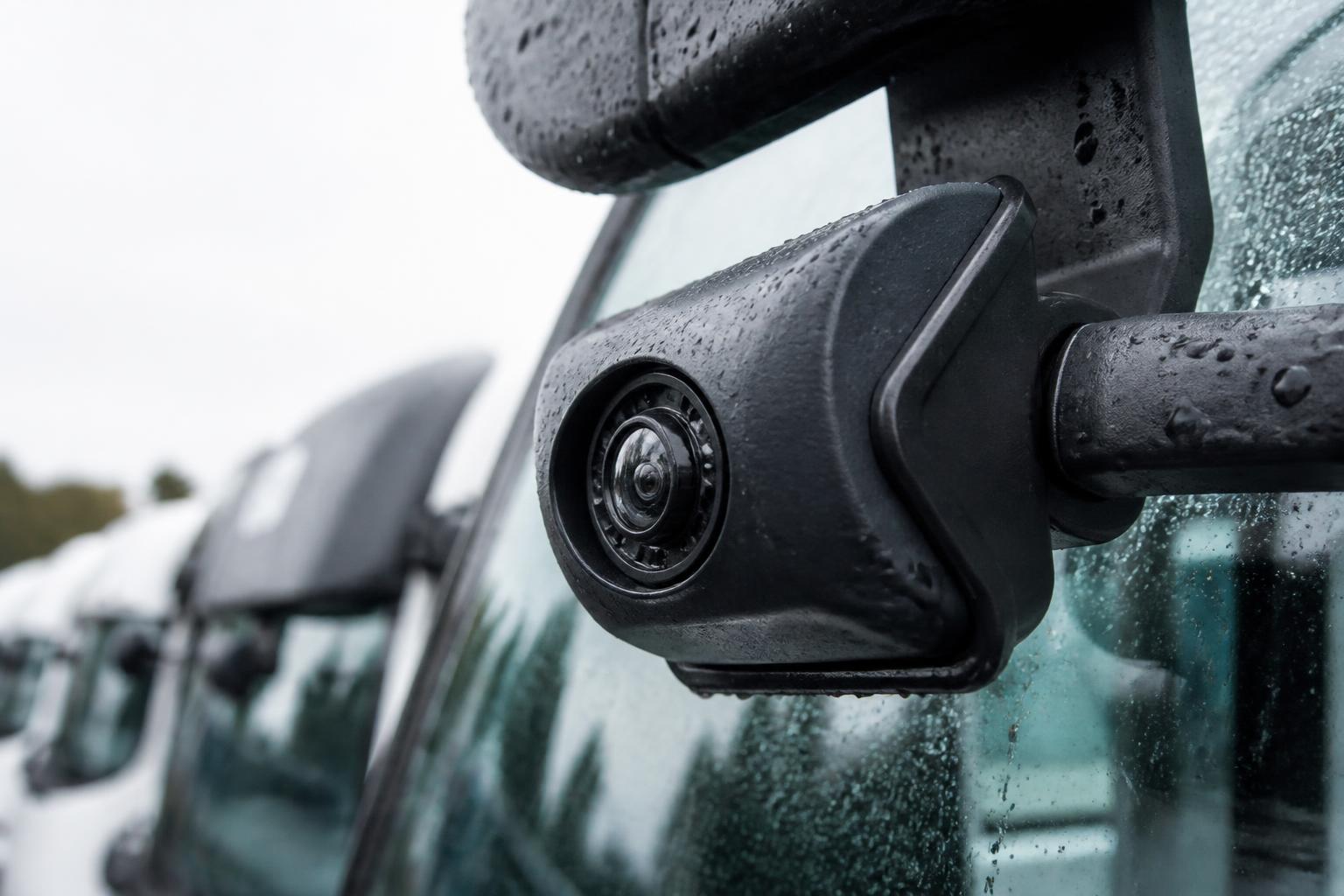
When a business runs HGV units, vans, trailers, plant or other mobile assets together, the main problem is rarely a lack of data. It is that the data sits in different places. One system shows location, another handles Tachograph files, another stores camera footage, and someone still updates a spreadsheet for service dates or trailer checks. Mixed fleet telematics solves that by giving transport teams one working view across the whole operation.
For UK operators, that matters because compliance and control do not happen in separate departments from the road. Driver activity, vehicle use, incident review and follow-up all affect each other. If we can see live GPS, driver hours, remote downloads, Smart dashcams and reporting in one place, we can make quicker decisions and spend less time piecing together the story after the event.
What mixed fleet telematics means in day-to-day operations
In practice, mixed fleet telematics means using one platform to monitor and manage more than one fleet type. That could be artics and rigids, vans and company cars, trailers and temperature-controlled assets, or road vehicles alongside plant and equipment. The key point is not just tracking different assets. It is managing them in a way that makes sense to the transport office.
For a UK operator, day-to-day use usually comes down to a few recurring tasks. Where is each vehicle now. Which driver is assigned. Who is close to a break or shift limit. Has the Tachograph data been downloaded. What happened during an incident. Which trailer has not moved for several days. Which vehicles are idling, taking unauthorised routes or arriving late to site.
If those answers come from separate logins, teams lose time and visibility. A planner may check GPS in one browser tab, call the driver for an update, then ask compliance staff to confirm driver hours from another system. A fleet manager may know a van has arrived back, but still need to chase camera footage from a separate supplier to review a reversing knock. That is exactly the gap a mixed fleet telematics platform is meant to close.
At Fleetalyse, we build around practical transport operations rather than isolated features. That means one environment for HGV, van, trailer, asset and mixed fleets, so users are not forced into one setup for road transport and another for everything else. It also means hardware choice matters. Some operators want a standard rollout with Fleetalyse-ready trackers. Others want unlocked Teltonika devices, or a wider commercial deployment with different install requirements, power arrangements or asset types.
Mixed fleets also tend to have mixed users. A transport manager wants exceptions, driver activity and compliance visibility. A planner wants map position and ETA support. Workshop staff may need mileage or engine-related alerts. Directors often want summary reporting, not a live map all day. Any workable system has to support those different views without making the data harder to trust.
Which fleets benefit most from a single platform?
The strongest fit is usually any business where vehicles, trailers and drivers need to be managed together, but not all in the same way.
Haulage and general logistics operators are an obvious example. A business may run HGV tractor units, rigid vehicles, a trailer fleet and support vans. The transport office needs one picture of movement, utilisation and compliance, even though the assets themselves behave differently. Tractor units are driver-led and Tachograph-led. Trailers may be unpowered, but still need location, movement history and recovery support. Vans may not involve the same regulatory workload, but they still create route, utilisation and incident data that matters.
Construction and infrastructure fleets also benefit. These often combine tippers, grab lorries, vans, trailers, plant and specialist assets. Some spend most of the day on public roads, some move between compounds and sites, and some remain parked until needed. A single platform helps because operations are coordinated centrally, even when the asset mix is broad.
Regional distribution fleets are another common case. A business might have HGV trunking, local delivery vans and a pool of trailers or cages moving between depots. Separate systems create blind spots between linehaul and final mile. One platform supports cleaner handover between teams and a better audit trail when deliveries, delays or damage disputes need to be checked.
Owner-driver and smaller mixed operators can gain just as much. In a smaller business, the same person may handle planning, compliance checks, customer calls and incident follow-up. They do not need more software. They need fewer places to look. A well-set-up platform can remove duplicated admin and make it easier to stay on top of records that otherwise get left until the end of the week.
The biggest gains tend to appear where the operation already feels fragmented. If a fleet has one supplier for tracking, another for remote Tachograph downloads, another for cameras and separate spreadsheets for asset status, there is usually a strong case for bringing those functions together. We cover that issue in more detail in our guide to comparing fleet telematics suppliers without adding extra systems.
What data should operators expect to see?
A useful system should show the data transport teams actually work from, not just a map with moving icons.
The first requirement is live GPS location and movement history. Operators need to see current position, route replay, stops, dwell time and geofence activity. For mixed fleets, that should apply not only to powered vehicles but also to trailers and mobile assets where suitable hardware is fitted. Mapping should be clear and practical. At Fleetalyse, map views can be built around operational use, including support for OpenStreetMap where that suits the application.
The next layer is Tachograph and driver activity. For HGV operations, this is central. Remote downloads should cover both vehicle unit and driver card data where the right setup is in place. Teams need a clear view of whether downloads have happened, whether files are due, and whether anything has failed. For mixed fleets, this matters because HGV compliance work should not be disconnected from the rest of the fleet picture. We have written separately about simplifying Tachograph downloads across mixed operations.
Driver hours visibility is equally important. In day-to-day planning, operators need to know who is available, who is close to limits, and where action may be needed before the problem becomes an infringement or a missed job. In the UK, this sits within the domestic and retained EU drivers' hours framework as it applies to the operation. Where rules differ between UK domestic rules and the retained EU regime, the system has to help users separate the practical status of each driver and vehicle, rather than assume one rule set covers every movement.
Camera integration is another major requirement. Smart dashcams should not be treated as a separate safety product with no link to fleet operations. If a harsh event, collision, complaint or near miss occurs, transport staff need to connect the footage to the vehicle, route and driver record quickly. That shortens investigation time and helps with coaching, insurer requests and customer queries.
CAN data adds another level for operators who want more than location. Depending on vehicle compatibility and hardware setup, CAN data can provide engine and vehicle signals that support maintenance awareness, fuel use review, idling analysis and broader operational reporting. Not every fleet needs the same depth, but the option matters, especially where mixed fleets include newer vehicles with richer data availability.
Reporting is where many systems either become useful or become noise. Operators should expect scheduled and on-demand reporting on movement, utilisation, idling, stops, route adherence, geofence events, download status and exceptions that need action. Summary reporting should help management spot trends, while event-level reporting should help the transport office deal with today.
For buyers who want a practical starting point, our tracking options for commercial fleets show how different hardware routes can fit different asset types and rollout plans.
How mixed fleet telematics supports compliance and control
One platform does not replace transport management judgement, but it does make compliance work more visible and easier to follow through.
The first benefit is a cleaner compliance picture. If remote downloads, driver activity and vehicle use are visible in the same system, transport teams can spot gaps earlier. A missed download is easier to act on when we can also see whether the vehicle is out on the road, back at base or not communicating. A driver hours issue is easier to manage when planners can see it before assigning the next job.
This joined-up view matters particularly in the UK, where operators have to manage legal obligations alongside commercial pressure. For HGV fleets, that includes maintaining proper Tachograph records, keeping on top of driver hours and ensuring transport managers or responsible staff have the visibility needed to act. A platform should support that operational discipline, not bury it under extra clicks.
Control also improves around incidents and exceptions. When a complaint comes in, the first task is usually to establish the facts. Where was the vehicle. Who was driving. What route did it take. Was there a harsh braking or impact event. Is there footage. If location, camera triggers and driver assignment are separated across different suppliers, that review takes longer and often involves more manual chasing than it should.
Smart dashcams become especially useful here. They support not only post-incident evidence but also routine follow-up on driving style, reversing practice, distraction concerns or repeated site issues. The point is not simply to collect footage. It is to make footage available in a way that the transport office can use.
A mixed fleet platform also helps with operational follow-up after the compliance issue itself. If a driver repeatedly approaches limits, the answer may be planning-related rather than disciplinary. If a trailer disappears into low utilisation, the issue may be allocation or yard process. If a van spends long periods idling, that may point to route design, handover delays or site waiting time. One system helps us connect those dots.
User access matters as well. Not everyone should see or do the same things. Compliance staff may need download status and record views. Planners may need dispatch and live map visibility. Managers may need summary dashboards. A proper role-based setup through the Customer Portal and, where relevant, the Tracker login, helps control access without creating more admin.
Commercial control should not be overlooked either. Businesses want straightforward account management and deployment choices. Some online purchases or service additions may use Stripe, and UK buyers will naturally expect clear VAT treatment on invoices and documentation. Those details are not the reason to choose a platform, but they are part of whether it works smoothly in practice.
What to check before choosing a system
The first thing to check is whether the system genuinely handles your fleet mix, not just your main vehicle type. Many platforms are strong in one area and weak everywhere else. If you run HGV vehicles plus trailers, vans or assets, ask to see how each appears in the same live environment, how reports differ by asset type, and how users move between them without changing systems.
Next, check hardware flexibility. Some operators want a simple, supported route with Fleetalyse-ready trackers. Others already standardise on Teltonika or need unlocked hardware for a broader rollout. Trailer and asset tracking may also need different power arrangements, install methods and reporting intervals from vehicle tracking. A supplier should be able to explain what hardware fits each part of the fleet, including any use of IoT SIMs, rather than forcing one device into every job.
Then look at Tachograph capability in detail. If remote downloads matter to your operation, ask how vehicle unit and driver card downloads are managed, what exceptions are shown, and how staff are alerted to missed or failed activity. In mixed fleets, this should sit alongside the rest of the operational picture, not off to one side as a specialist add-on.
Camera integration deserves the same scrutiny. Ask whether Smart dashcams are visible in the same platform as tracking and reporting, how footage is requested or triggered, and how quickly transport staff can review an event. If incident handling is important, this is a workflow question, not just a hardware question.
Reporting should be tested against your actual routines. Can the system show idling by vehicle type, utilisation by asset group, download status by exception, and movement history for incident review. Can it schedule reports to the right people. Can it separate summary views for management from detailed views for the transport office. If every answer depends on exporting raw data and rebuilding it in spreadsheets, the system is not reducing workload.
Check user access and rollout fit. Mixed fleets often involve several teams, depots or legal entities. Ask how permissions are managed, whether users can be limited by asset group or role, and how easy it is to onboard new vehicles or users. If you expect growth, acquisitions or seasonal fleet changes, the setup should cope without a full redesign.
It is also worth checking how well the parts work together. A supplier may offer GPS, Tachograph tools, cameras and reporting on the same price list without delivering one joined-up workflow. Ask to see a real example of a vehicle journey, a driver activity view and an incident review in one session. That quickly shows whether the platform is integrated or merely bundled.
Finally, choose a system that matches the way your operation actually runs. Mixed fleet telematics should reduce blind spots, admin and duplicated effort. It should help us manage compliance visibility and day-to-day control from one place, whether we are running a small mixed operation or a larger commercial fleet. That is the standard we work to at Fleetalyse, and it is why our platform is built around one practical view of vehicles, drivers and assets.
Fleetalyse is provided by Fleeta Limited T/A Fleetalyse, for UK fleet operators who need operational visibility without juggling separate systems.
What is mixed fleet telematics?
It is a telematics setup designed for fleets that run more than one type of vehicle or asset, such as HGV, vans, trailers and equipment, with data viewed in one system.
Why not use separate systems for each fleet type?
Separate systems often create extra logins, duplicated admin and gaps between tracking, compliance and safety data. One platform can make daily checks and reporting easier to manage.
Can mixed fleet telematics include trailers and non-powered assets?
Yes. Many operators want visibility beyond powered vehicles, especially where trailers or other assets affect utilisation, planning, security and customer service.
How does it help with driver hours and Tachograph work?
A connected setup can give transport teams better visibility of Tachograph activity and driver hours alongside vehicle location, helping them spot issues earlier and organise follow-up work.
What should a UK operator ask a supplier first?
Ask which vehicle types and assets the system supports, what hardware is available, how reporting works, what compliance data is visible and how the rollout would fit your operation.