

What is fleet visibility? a guide for fleet operators

Fleet visibility is defined as the real-time, actionable insight into your fleet’s location, performance, and operational status across every vehicle, driver, and delivery in motion. The term is sometimes used interchangeably with “fleet tracking,” but the industry standard concept goes much further. True fleet management visibility integrates GPS data, telematics, geofencing, and workflow systems into a single operational picture. For logistics managers running HGVs, vans, or mixed assets, this distinction matters enormously. Visibility without workflow integration is just dots on a map. With it, you gain the ability to prevent delays, protect SLAs, and make decisions before problems escalate.
What does fleet visibility mean in practice?
Fleet visibility, known in the industry as transportation visibility, is the capability to monitor, analyse, and respond to your fleet’s movements and status in real time. It covers far more than knowing where a vehicle is. Tracking explains ‘where’ vehicles are; visibility turns that location data into operational intelligence including vehicle health, driver behaviour, and delivery status.
The practical difference shows up when something goes wrong. A basic GPS system tells you a vehicle is stationary on the M6. A full visibility platform tells you it has been stationary for 47 minutes, the driver has exceeded their permitted hours, and the customer expecting delivery at 14:00 has not yet been notified. That is the gap between tracking and genuine fleet management visibility.
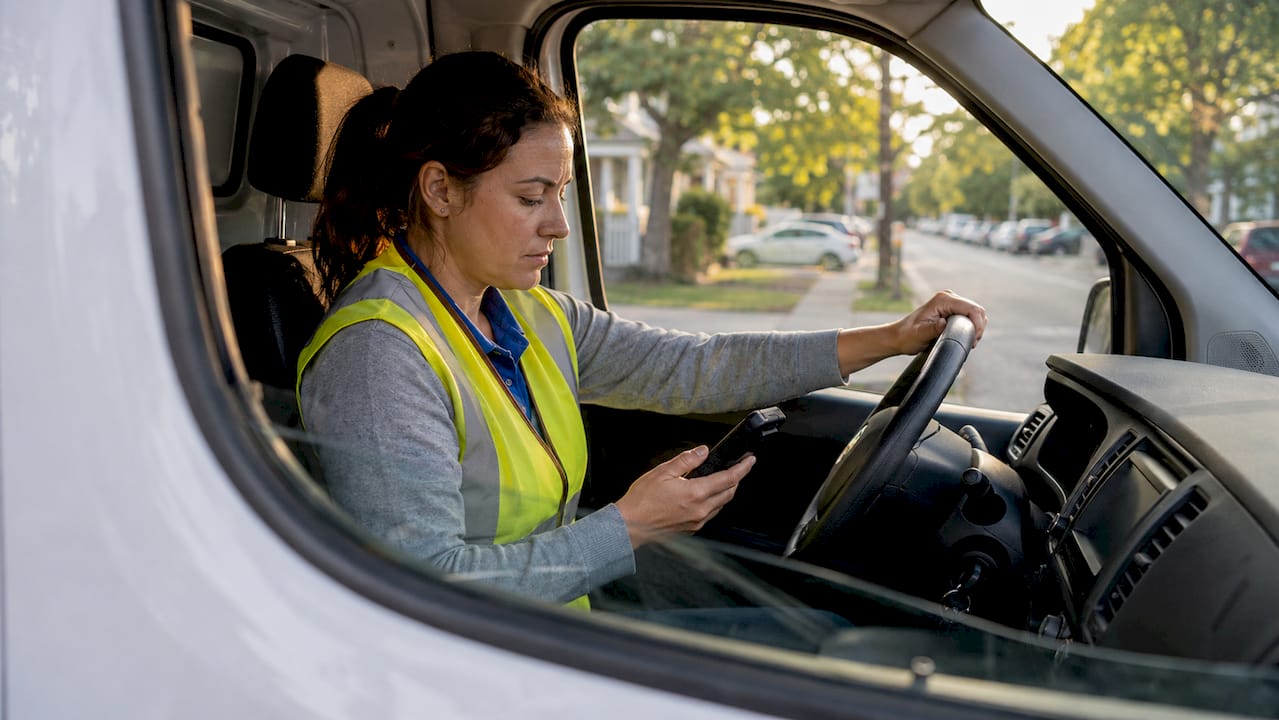
Platforms like Penske Logistics’ Supply Chain Insight demonstrate the single pane of glass model, consolidating transportation and warehouse data into one unified view. This eliminates fragmented data and creates a single source of truth for dispatchers, managers, and customers alike.
What components make up fleet visibility systems?
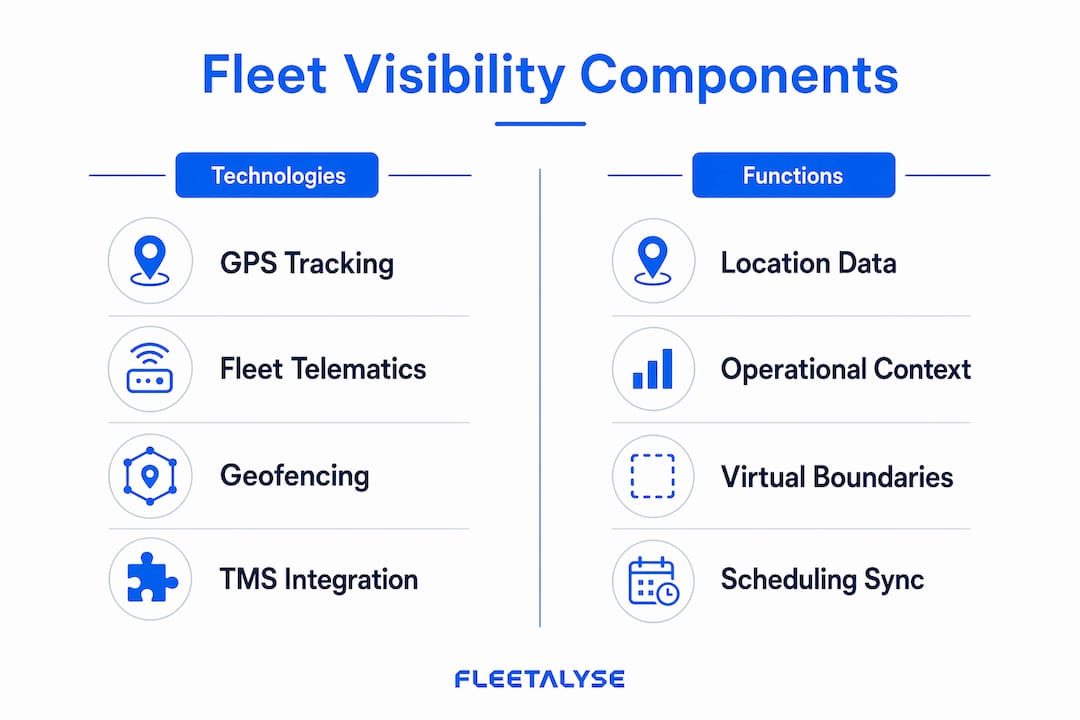
Comprehensive fleet visibility draws on several integrated technologies. Each layer adds a different type of operational intelligence.
GPS and real-time vehicle tracking form the foundation. They provide continuous location data, route history, and speed information for every asset in your fleet.
Fleet telematics adds the operational context that transforms raw location data into decisions. Telematics supplies vehicle performance data including engine diagnostics, fuel consumption, CAN-bus readings, and driver behaviour scores. Where GPS tells you a vehicle is moving, telematics tells you how it is being driven and whether it is likely to need maintenance.
Geofencing creates virtual boundaries around depots, customer sites, and operational zones. When a vehicle enters or exits a geofence, the system triggers automated alerts. Geofencing embedded in workflows enables real-time exception management, turning visibility into operational control rather than passive observation.
Transport Management System (TMS) integration connects visibility data to dispatch, scheduling, and customer communication tools. Without this link, visibility remains informational rather than operational.
| Feature | GPS Tracking | Fleet Telematics |
|---|---|---|
| Vehicle location | Yes | Yes |
| Driver behaviour | No | Yes |
| Engine diagnostics | No | Yes |
| Fuel consumption | No | Yes |
| Geofencing alerts | Basic | Advanced |
| SLA milestone tracking | No | Yes |
Pro Tip: If you operate a mixed fleet of HGVs and vans, prioritise telematics units that support tachograph integration for HGVs and plug-and-play installation for lighter vehicles. This avoids two separate hardware ecosystems and reduces your administrative overhead significantly.
How does fleet visibility improve operational performance?
Real-time fleet visibility translates directly into better decisions and fewer costly surprises. The operational benefits fall into three clear areas.
Dynamic route optimisation and task assignment become possible when dispatchers can see actual vehicle positions, traffic conditions, and driver availability simultaneously. Rather than relying on a plan made at 06:00, you can reassign jobs mid-route based on what is actually happening on the road.
Proactive exception handling is where visibility pays for itself most visibly. Structured event milestones support measurable outcomes like dwell time and SLA compliance, making fleet visibility actionable rather than just informational. When a vehicle misses a geofence checkpoint, the system flags it immediately rather than waiting for a customer complaint.
Customer communication improves because fleet visibility platforms integrate driver scheduling, communications, and customer notifications to provide transparent delivery status. Customers receive accurate ETAs rather than estimated windows, which reduces inbound calls and improves satisfaction scores.
The performance data is compelling. Shippers with real-time visibility report 18–23 percentage points higher OTIF (On Time In Full) rates than those operating without it. That gap represents the difference between retaining major retail contracts and losing them.
Pro Tip: Set geofence alerts to trigger at least 20 minutes before a scheduled arrival window closes. This gives dispatchers enough time to contact the driver, adjust the route, or notify the customer before the SLA breach occurs rather than after.
What are the best practices for implementing fleet visibility?
Deploying fleet visibility technology is the straightforward part. Making it operationally effective requires deliberate integration into your existing workflows. Workflow integration is the biggest challenge when implementing visibility; hardware is easier to deploy, but integration is what delivers operational impact.
A proven seven-step implementation roadmap covers the following stages:
- Audit your current data gaps. Identify which vehicles, routes, and handover points currently have no visibility coverage.
- Define your operational use cases. Decide whether your priority is SLA protection, driver safety, fuel reduction, or compliance monitoring. This shapes your technology choices.
- Select hardware appropriate for your fleet type. HGVs require tachograph-integrated units; vans and trailers may suit plug-and-play trackers.
- Integrate with your TMS or dispatch system. Visibility data must flow into the tools your team already uses, not sit in a separate dashboard.
- Configure geofences and event milestones. Map every depot, customer site, and critical waypoint before go-live.
- Onboard drivers with clear communication. Explain what is being monitored and why. Driver buy-in reduces resistance and improves data quality.
- Set KPI baselines and review cycles. Measure performance before and after deployment to quantify the operational improvement.
Update frequency must be sufficient for operational decisions, often requiring location and status refreshes every few minutes during active trips. A platform that updates every 30 minutes is adequate for asset tracking but inadequate for live SLA management.
Pro Tip: Avoid the common mistake of treating visibility as an IT project. Assign a transport operations lead, not an IT manager, to own the implementation. Operational context determines which alerts matter and how the data gets used day to day.
What kpis can fleet visibility measure and improve?
Fleet visibility gives you measurable data across every dimension of operational performance. The table below summarises the key metrics and their practical impact.
| KPI | What It Measures | Operational Impact |
|---|---|---|
| On-time arrival rate (OTIF) | Deliveries completed within agreed windows | Direct SLA compliance and customer retention |
| Dwell time | Time spent at customer sites or depots | Identifies bottlenecks and inefficient loading processes |
| Route deviation | Variance from planned routes | Flags unauthorised stops and fuel waste |
| Driver behaviour score | Harsh braking, acceleration, and speeding events | Reduces accident risk and insurance premiums |
| Idle time | Engine running with vehicle stationary | Cuts fuel costs and reduces unnecessary engine wear |
| Exception frequency | Number of alerts triggered per route | Measures operational reliability over time |
Tracking these KPIs continuously allows you to move from reactive reporting to proactive exception management based on planned versus actual route adherence. The shift from monthly reports to live dashboards changes how quickly your team can intervene when performance drops.
How is fleet visibility technology evolving?
The next generation of fleet visibility moves beyond tracking and telematics into predictive and automated operations. IoT telematics and AI analytics enable predictive maintenance, anomaly detection, and automated workflows, advancing fleet visibility well beyond traditional tracking.
Key developments shaping the near future include:
- Predictive maintenance alerts triggered by CAN-bus data before a breakdown occurs, reducing unplanned downtime and roadside incidents.
- AI-driven anomaly detection that identifies unusual patterns in driver behaviour or route adherence and flags them without requiring manual review.
- Smart dashcams with integrated AI that detect driver fatigue, mobile phone use, and forward collision risk in real time, feeding safety data directly into the visibility platform.
- Automated customer notifications that update delivery ETAs without dispatcher involvement, triggered by geofence events and traffic data.
- Logistics industry insights from sources such as supply chain analysis show that operators who invest in these capabilities now are building a measurable competitive advantage over those still relying on manual check-in calls.
For UK operators, these capabilities also support DVSA compliance and Operator Licence obligations by creating an auditable, automated record of driver hours, vehicle condition, and route history.
Key takeaways
Fleet visibility delivers operational control only when location data, telematics, geofencing, and workflow integration work together as a connected system.
| Point | Details |
|---|---|
| Visibility exceeds tracking | Real fleet management visibility includes telematics, geofencing, and TMS integration, not just GPS location. |
| Workflow integration is critical | Visibility dashboards without operational system links produce data but not decisions. |
| OTIF improvements are measurable | Operators with real-time visibility report 18–23 percentage points higher OTIF rates than those without. |
| KPIs drive continuous improvement | Tracking dwell time, route deviation, and driver behaviour turns visibility data into performance gains. |
| Future capability is predictive | AI and IoT telematics are shifting fleet visibility from reactive reporting to automated, predictive operations. |
Why most fleet visibility projects fail before they start
I have seen a consistent pattern across UK fleet operations: operators invest in solid hardware, get the GPS units fitted, and then wonder six months later why nothing has really changed. The platform is live. The vehicles are tracked. But the dispatchers are still making decisions based on phone calls and gut instinct.
The problem is almost never the technology. It is the absence of process change around it. Visibility data only creates value when someone is responsible for acting on it within a defined timeframe. Without that accountability, alerts become noise and dashboards become wallpaper.
The operators who get the most from their visibility investment share one characteristic: they treat the platform as an operational tool, not a monitoring system. They configure alerts that match their actual SLA commitments. They review exception reports in morning briefings. They use driver behaviour scores in performance conversations rather than filing them away.
The other mistake I see regularly is choosing update frequency based on cost rather than operational need. A tracker pinging every 30 minutes costs less per month, but it cannot support live rerouting or accurate ETA updates. For any fleet with customer-facing delivery commitments, that saving is false economy.
Invest in the integration work. Train your team properly. Define who owns each alert type and what the response protocol is. The technology is the easy part. The discipline around it is what separates operators who improve from those who simply spend more on software.
— Vytautas
How Fleetalyse supports real-time fleet visibility
Fleetalyse is built specifically for UK commercial fleet operators who need more than dots on a map. The platform combines GPS tracking and telematics with tachograph integration, driver behaviour monitoring, and smart AI dashcams to give you a complete operational picture across HGVs, vans, trailers, and mixed assets.
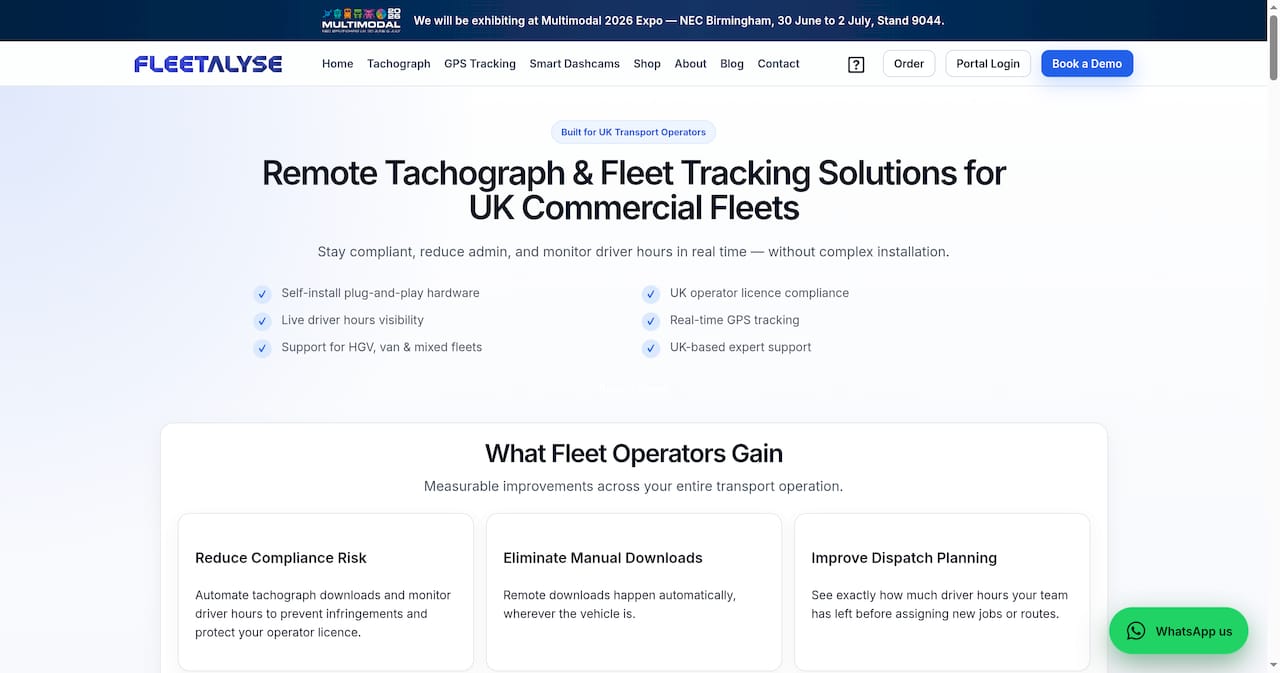
Every Fleetalyse solution is designed to connect visibility data directly to your operational workflows, not sit in a separate system your team ignores. From vehicle GPS trackers for vans and cars to specialist HGV units with tachograph support, the hardware is plug-and-play and UK support is available from day one. Explore the full Fleetalyse solutions suite to find the right configuration for your fleet size and compliance requirements.
FAQ
What is fleet visibility in logistics?
Fleet visibility in logistics is the real-time ability to monitor vehicle location, driver behaviour, and delivery status across an entire fleet. It integrates GPS tracking, telematics, and geofencing to support proactive operational decisions rather than retrospective reporting.
What is the difference between fleet tracking and fleet visibility?
Fleet tracking shows where a vehicle is; fleet visibility adds operational context including vehicle health, driver behaviour, SLA status, and automated alerts. Telematics transforms raw location data into decisions, which is the defining difference.
How does real-time fleet visibility improve OTIF rates?
Operators with real-time visibility report 18–23 percentage points higher OTIF rates than those without it. Live geofence alerts and dynamic ETAs allow dispatchers to intervene before SLA breaches occur rather than after.
What update frequency does a fleet visibility platform need?
Location and status refreshes every few minutes during active trips are required for operational decisions such as rerouting and SLA protection. Longer intervals are adequate for asset tracking but insufficient for live delivery management.
How do i start improving fleet visibility in my operation?
Begin by auditing your current data gaps, then integrate your visibility platform with your TMS or dispatch system before go-live. Workflow integration is the critical success factor that separates effective visibility from an unused dashboard.