
If you’re running a UK haulage operation in 2026, you’ve likely noticed the mounting pressures on every front—fuel costs, driver shortages, and insurance demands that seem to change by the quarter. A dash cam for lorry fleets has shifted from a nice-to-have accessory to an essential piece of kit. This guide helps you discover what matters when you purchase camera systems for your commercial vehicles and how to select products that actually protect your bottom line.
Related Fleetalyse guides: truck camera system guide | lorry tracker guide | HGV tracker guide. You can also explore our fleet tracking features, fleet analytics page, or book a demo.
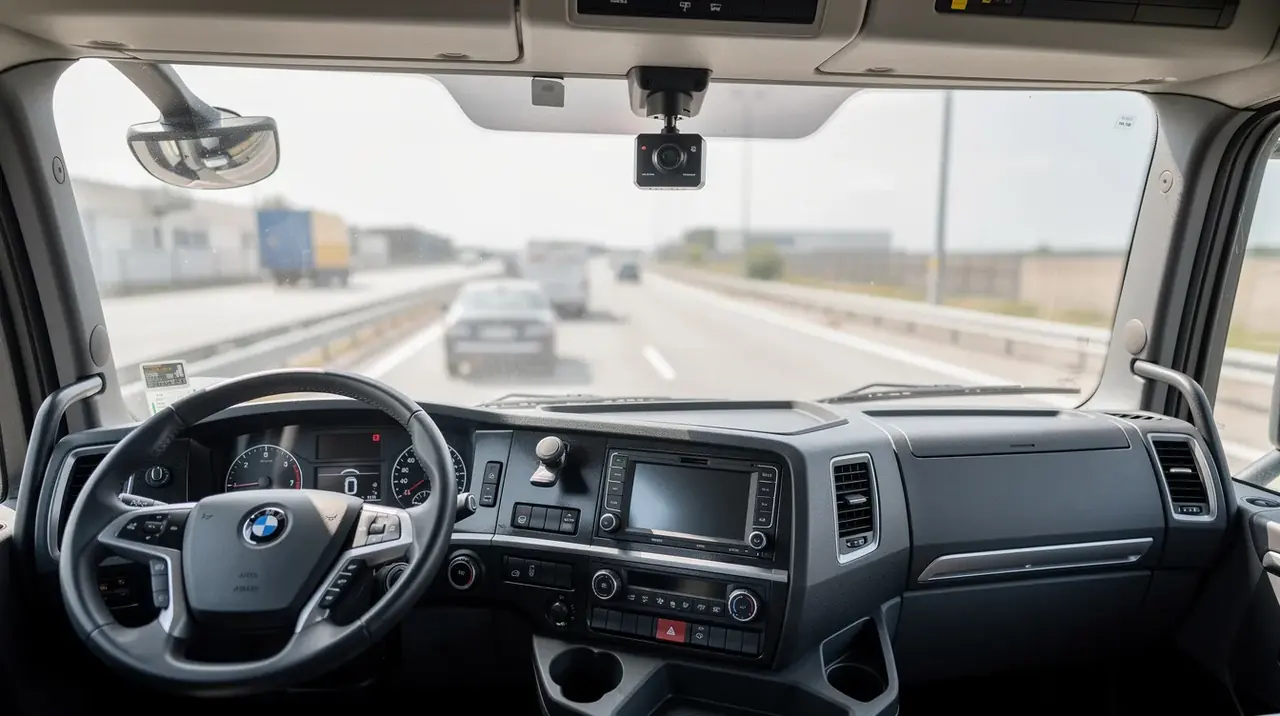
Why Every Lorry Needs a Dash Cam in 2026
UK haulage costs have climbed by 15-20% annually since 2022, driven by fuel volatility, regulatory burdens, and post-Brexit trade complexities. Add to this the growing number of “crash for cash” schemes targeting large vehicles—Police data indicates over 1,500 staged collision reports involving HGVs annually by 2025. Insurance premiums have responded accordingly, rising by up to 25% for fleets without telematics. In this environment, dash cams aren’t optional items in your cart; they’re a strategic step toward financial sustainability.
When browsing products online or checking manufacturer pages in your browser, you’ll notice terms like “lorry dash cam,” “HGV dash cam,” and “truck dash cam” used interchangeably. All three refer to specialised camera systems designed for commercial vehicles exceeding 3.5 tonnes. This includes Large Goods Vehicles in the C1 category (3.5-7.5 tonnes) and Heavy Goods Vehicles in categories C and CE (articulated vehicles over 40 tonnes). These systems differ significantly from a standard car dash cam—they’re built to handle 12/24V electrical systems, feature vibration-resistant mounting, and are often compatible with fleet management software. Lighter van-oriented models simply lack the durability for prolonged motorway journeys, so keep this mind when you select your system.
Core Benefits at a Glance
Here’s what a properly installed dash cam delivers for your fleet:
Irrefutable crash evidence – When a camera records every journey, you have clear video evidence that accelerates claims resolution by 40-60% according to insurer telematics reports
Insurance premium reductions – Fleets demonstrating low-risk profiles through video telematics consistently save on premiums, with some operators citing 20-30% reductions
Fraud defence – Footage exposes staged impacts in approximately 85% of disputed “crash for cash” cases, protecting your drivers from false claims
Driver protection – When incidents occur, video evidence can exonerate your drivers in fault disputes, giving them peace of mind on every road
Training improvements – Playback analysis helps reduce repeat incidents by up to 35% in monitored fleets, showing where driving behaviours need adjustment
Beyond these primary benefits, dash cams also help with theft and vandalism documentation when vehicles are parked overnight. A rear dash cam capturing activity behind the vehicle adds another layer of protection, particularly useful in urban delivery environments where hit and runs are more common.
The Insurance Savings in Detail
Let’s talk numbers, because this is where the ROI becomes undeniable. The Road Haulage Association’s 2025 survey revealed that fleets submitting video telematics logs saw average annual premiums drop from £5,000 to approximately £3,500 per vehicle. That’s a 30% reduction that impacts your entire fleet’s operating costs.
Real-world examples add weight to these figures. Eddie Stobart has publicly cited 20-30% savings through providers like FleetShield, while a 2024 case study from Stobart Group detailed £1.2 million in collective savings across 500 HGVs. These aren’t marginal improvements—they’re transformative for operations running on tight margins.
However, savings can vary based on several factors:
Factor | Impact on Premium Reduction |
|---|---|
Claims history | Zero at-fault claims maximises discounts |
Camera quality | Full HD or higher resolution strengthens evidence |
Coverage type | Multi-channel systems (forward facing, rear, cab interior) offer better protection |
Cloud integration | Real-time event notifications demonstrate proactive risk management |
GPS tracking | Location and speed data that cross-verifies with tachograph records |
Major insurers like Aviva and Direct Line now mandate telematics for high-risk fleets to even qualify for competitive quotes. Non-adopters increasingly find themselves excluded from favourable policies altogether—a significant change from just a few years ago.
Key Features to Prioritise
When you’re ready to purchase, understanding which specifications actually matter helps you pay for value rather than marketing fluff. Here’s what to look for:
Resolution and sensor quality – Look for systems using Sony STARVIS or Exmor CMOS sensors capable of full hd 1080p recording at 30-60fps. Higher resolutions like 4K are available but add to storage requirements and cost.
Lens coverage – Wide-angle lenses spanning 140-170 degrees ensure you capture multi-lane motorway scenarios without blind spots. This view is essential for comprehensive incident documentation.
Night vision – Infrared capabilities allow the camera to record in pitch-black conditions. External rear cameras should be IP67 waterproof rated, ideal for trailer coverage via 15m cables.
G-sensor protection – A 3-axis accelerometer detects impacts above 0.5G and automatically locks footage, preventing it from being overwritten in loop-recording cycles. This ensures critical event footage stays accessible.
Storage and connectivity – Systems supporting 128-512GB SD cards provide ample capacity. WiFi connectivity makes it easy to download footage to your phone, while cloud integration via 4G modules enables remote access for fleet managers to intervene when necessary.
Parking mode – This feature keeps the camera active when the vehicle is parked, capturing incidents that occur during rest stops or overnight. It’s essential protection against vandalism and theft.
The difference between budget and premium products often comes down to durability and feature integration. A £77.50 unit from a discount source may lack waterproof externals or cloud connectivity—items that prove invaluable when you actually need the evidence.
Installation and Data Considerations
Getting your system properly installed matters as much as the hardware itself. Hardwire kits supporting 12/24V systems ensure reliable power without draining batteries, drawing minimal quiescent current (under 200mA) in parking mode. Have installations completed by certified fitters to avoid warranty issues.
Data management deserves attention too. Without cloud backup, loop recording cycles risk overwriting pre-event footage before you can access it. GPS overlays provide precise location, speed, and route data that proves invaluable for tachograph cross-verification under EU Drivers’ Hours rules—still applicable in the UK.
Privacy considerations also come into play. Cab-facing cameras that record drivers require proper consent notices under GDPR. Make sure your policies address this before deployment, and connect with your legal team if you’re uncertain about compliance requirements.
Making the Right Choice for Your Fleet
The number of options available can feel overwhelming, but the decision becomes easier when you focus on your specific operational environment. A construction haul fleet faces different challenges than a refrigerated logistics operation. Consider:
What size vehicles are in your fleet?
Do your journeys primarily cover motorways or urban environments?
How critical is real-time monitoring versus post-event review?
What’s your budget per vehicle, and how quickly do you need ROI?
Industry evaluations consistently rate systems like BlackVue highly for HGV applications, scoring 9/10 for reliability in What Van? assessments. With predictions of 70% adoption across UK fleets by 2028, early adopters gain competitive advantages in both safety profiles and operational efficiency.
The step toward comprehensive fleet protection starts with understanding what you need. A dash cam for lorry operations isn’t just about capturing footage—it’s about building a safer, more accountable, and financially sustainable business in an increasingly demanding haulage environment. Take time to evaluate your options, speak with your insurer about available discounts, and add this essential technology to your fleet before the next incident forces your hand.
Ready to improve visibility, compliance and safety across your fleet? Book a Fleetalyse demo or review our plans and pricing.